
Zero-Concrete Construction: The Next Frontier in Sustainable Building
The Environmental Cost of Concrete
As the world shifts toward sustainability, the construction industry faces immense pressure to reduce its environmental footprint. For decades, concrete has been the go-to material in building projects due to its strength and versatility. However, the environmental toll of concrete production is undeniable, prompting the rise of zero-concrete construction as a viable alternative. By eliminating concrete and using environmentally friendly materials, developers are not only reducing carbon emissions but also conserving valuable natural resources. This shift is ushering in a new era of sustainable construction.
The Environmental Cost of Concrete
Concrete production is one of the most significant contributors to global CO2 emissions. This energy-intensive process not only results in high carbon emissions but also depletes critical natural resources such as sand and water. The environmental costs of concrete are wide-ranging and have long-term implications for sustainability.
1. High Carbon Emissions: Concrete production is responsible for approximately 8% of global CO2 emissions. The majority of these emissions come from the production of cement, the primary binding agent in concrete. Cement production requires heating limestone and other materials at extremely high temperatures, a process that releases significant amounts of carbon dioxide into the atmosphere.
2. Resource Depletion: The production of concrete requires vast amounts of sand and water, both of which are rapidly depleting natural resources. Sand, in particular, is in high demand for construction, and the extraction of sand from riverbeds and coastlines is causing severe ecological damage. Water, too, is consumed in large quantities, contributing to water scarcity in regions already facing environmental stress.
3. Waste Generation: The environmental impact of concrete doesn’t stop with its production. Traditional construction methods that rely on concrete generate substantial amounts of waste. During both the building and demolition phases, excess concrete and construction debris are often discarded, contributing to the growing problem of construction waste in landfills.
Alternatives to Concrete
In response to the environmental costs of concrete, developers are turning to alternative materials that provide similar strength and durability but with far less environmental damage. These alternatives are at the forefront of zero-concrete construction, offering promising solutions for the future of sustainable building.
1. Cross-Laminated Timber (CLT): CLT is a renewable building material that sequesters carbon, making it an attractive alternative to concrete. CLT panels are made by stacking layers of wood in alternating directions, resulting in a product that is both strong and flexible. CLT has been used in several major construction projects worldwide and is gaining popularity for its ability to store carbon throughout a building’s life cycle.
2. Recycled Materials: Many zero-concrete buildings incorporate recycled materials such as steel, glass, and plastic. By using materials that have already been processed, developers can minimize waste and reduce the demand for virgin resources. Recycled steel, in particular, is an excellent alternative for structural components in buildings.
3. Natural Materials: Bamboo and hempcrete are emerging as viable alternatives to concrete. Bamboo is highly renewable, fast-growing, and strong, making it an excellent building material in regions where it grows abundantly. Hempcrete, made from the woody core of the hemp plant, is another sustainable material gaining attention for its low carbon footprint and insulation properties.
How Modular Construction Fits In
Modular construction has emerged as an ideal approach for zero-concrete projects. By prefabricating building components off-site, developers can reduce waste, improve efficiency, and optimize the use of sustainable materials. Modular construction allows for quicker project completion, scalability, and integration of green technologies, all of which are critical in the shift toward sustainable building.
1. Precision and Efficiency: Modular construction offers a high degree of precision, ensuring that materials are used efficiently with minimal waste. Components are pre-designed and pre-measured in a factory setting, reducing the likelihood of excess material being discarded. This controlled environment also improves the quality and durability of building components.
2. Scalability: One of the biggest advantages of modular construction is its scalability. Prefabricated modules can be produced in bulk and assembled rapidly on-site, making it easier to replicate sustainable building practices across multiple projects. This method is particularly useful in meeting the growing demand for zero-carbon, zero-concrete buildings in urban areas.
3. Integration of Green Technologies: Modular buildings are ideally suited for the integration of green technologies. Solar panels, energy-efficient insulation, and water-saving systems like rainwater harvesting can be seamlessly incorporated into the building process. The result is a structure that not only reduces carbon emissions during construction but also operates sustainably throughout its lifecycle.
Expert Opinions
Leaders in the construction and sustainability sectors are emphasizing the importance of zero-concrete construction and modular methods in addressing environmental challenges.
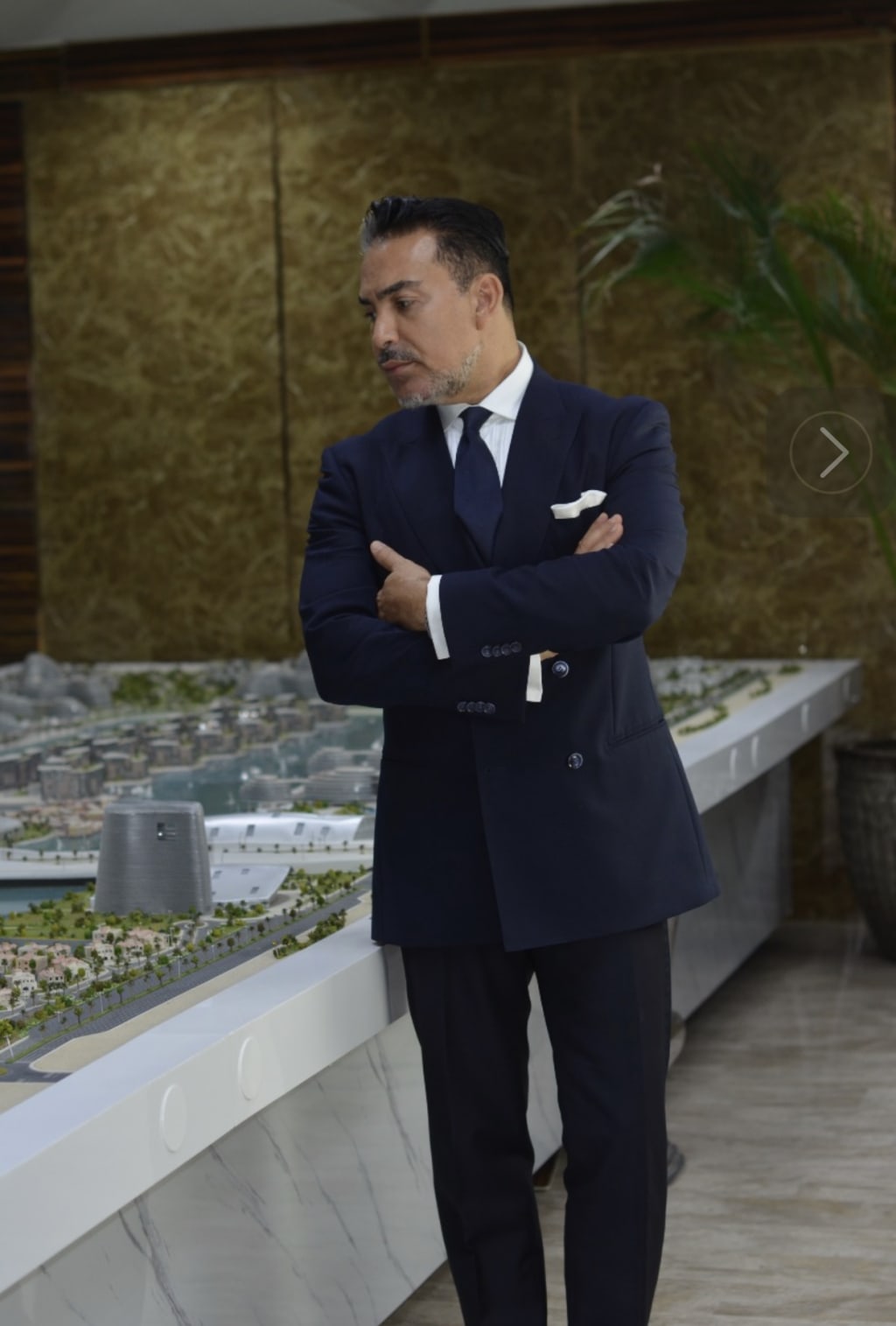
H.E. Dr. Issam Daoud, Chairman of Avanti Holding, is a staunch advocate for moving away from concrete in favor of modular construction. “Concrete has long been essential in construction, but its environmental costs are too high. Modular construction allows us to build without relying on concrete while still ensuring structural integrity and efficiency. This is a game-changer in the fight against climate change.”
Architect Bjarke Ingels, known for his sustainable designs, highlighted the need for innovation in construction materials. “Sustainability in architecture is about more than just minimizing energy use; it’s about finding innovative ways to build with fewer resources. Zero-concrete construction is the next frontier, and modular techniques provide the perfect vehicle to achieve that.”
Environmental activist Jane Goodall has spoken out about the urgency of reducing our reliance on concrete. “As we continue to deplete natural resources, it’s critical that we rethink how we build our cities. Using sustainable materials like CLT and adopting modular methods can drastically reduce the environmental impact of construction.”
The Future of Zero-Concrete Construction
The future of construction is undeniably moving toward sustainability, and zero-concrete buildings will play a key role in that transformation. As governments around the world introduce stricter regulations to reduce carbon emissions, developers are finding new ways to build with eco-friendly materials and methods. Zero-concrete construction, combined with modular techniques, is poised to become the standard for environmentally responsible building.
1. Regulatory Support: Many governments are introducing regulations that require a reduction in carbon emissions from construction materials. For example, regions like California and the European Union have set ambitious targets for reducing the carbon footprint of the construction industry. These regulations are spurring investment in zero-concrete technologies and pushing developers to adopt sustainable practices.
2. Corporate Responsibility: Increasingly, corporations are recognizing the financial and reputational benefits of sustainable building practices. By adopting zero-concrete construction, companies can align with global sustainability trends and appeal to eco-conscious consumers and investors. Corporate responsibility initiatives are driving demand for greener buildings, both for commercial and residential projects.
3. Consumer Demand: As awareness of climate change grows, consumers are becoming more selective about the buildings they live and work in. Zero-concrete buildings, with their reduced environmental impact, are gaining popularity among eco-conscious buyers. Developers that embrace zero-concrete construction and modular design are positioning themselves as leaders in the future of sustainable real estate.
The rise of zero-concrete construction marks a pivotal shift in the construction industry’s approach to sustainability. By embracing alternative materials like CLT, recycled steel, and bamboo, and leveraging the efficiency of modular construction, developers can reduce their environmental footprint while maintaining the structural integrity and efficiency that modern buildings require. With support from industry leaders like H.E. Dr. Issam Daoud, Bjarke Ingels, and Jane Goodall, it’s clear that zero-concrete construction is not just a trend—it’s a necessary step toward a more sustainable world. As the construction industry continues to evolve, zero-concrete buildings will play a crucial role in reducing carbon emissions and conserving natural resources, ensuring a greener future for generations to come.
About the Creator
Keep reading
More stories from James Cameron and writers in Futurism and other communities.
Zero-Concrete Construction: The Next Frontier in Sustainable Building
Concrete has long been the go-to material for building projects, but its environmental impact is massive. As the construction industry pivots towards sustainability, zero-concrete construction is emerging as a viable alternative. By eliminating concrete and utilizing more environmentally friendly materials, developers are making strides to reduce carbon emissions and conserve natural resources.
By James Cameronabout a year ago in Futurism
Facility Management Market to Hit USD 1,903.7 Billion by 2033
Facility Management Market Overview The global Facility Management Market is projected to reach approximately USD 1,903.7 Billion by 2033, increasing from USD 849.0 Billion in 2023, reflecting a CAGR of 8.41% during the forecast period from 2024 to 2033. Facility management refers to the integrated management of physical assets, infrastructure, and support services within buildings and workplaces. These services include maintenance, security, cleaning, energy management, space planning, and workplace services that help organizations maintain efficient operations. The industry has expanded steadily as businesses seek structured methods to maintain assets, improve employee productivity, and optimize operational costs.
By Roberto Crumabout 10 hours ago in Futurism
Australia Vegan Cosmetics Market: Ethical Consumerism, Product Innovation & Retail Growth
According to IMARC Group, the Australia vegan cosmetics market reached USD 552.7 Million in 2025 and is projected to grow to USD 1,073.0 Million by 2034, exhibiting a compound annual growth rate (CAGR) of 7.42% during 2026–2034. The market’s robust expansion reflects the rapid rise of ethical consumerism and clean beauty awareness across Australia. Increasing adoption of vegan lifestyles, heightened demand for ingredient transparency, and growing environmental consciousness are reshaping purchasing decisions. With innovation in plant-based formulations and strong digital retail growth, Australia vegan cosmetics market share continues to strengthen within the broader beauty and personal care industry.
By Shrestha Roy4 days ago in Futurism



Comments