
Why Online Grocery Shopping Is Transforming Food Retail in Germany?
The Shift Toward Convenience, Digital Access, and Smarter Delivery

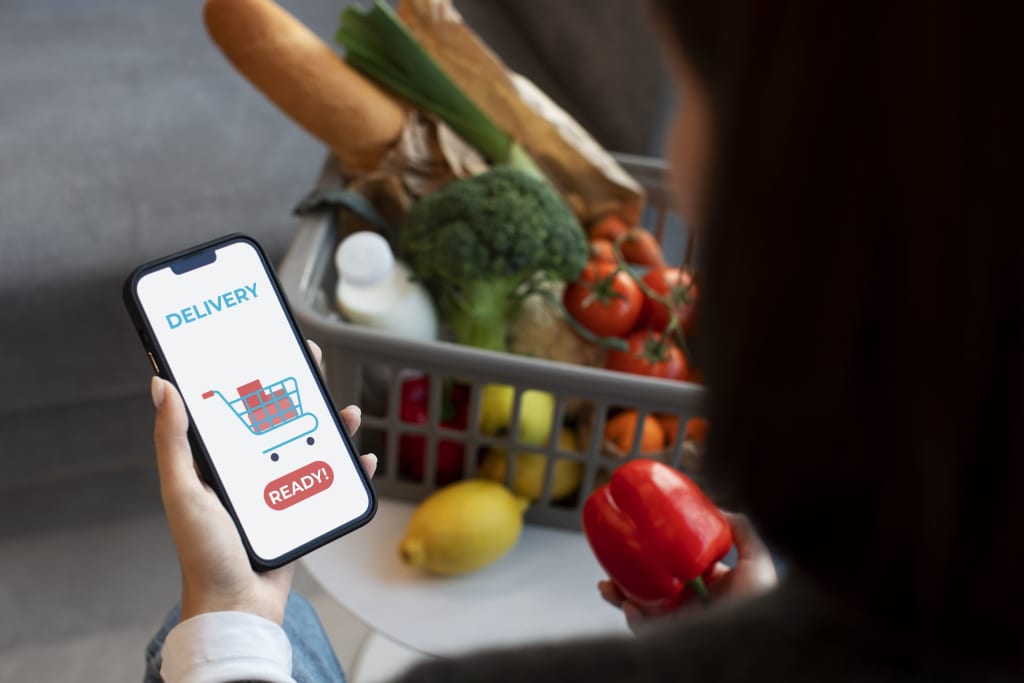
Germany Online Grocery and Its Growing Importance
Shopping habits in Germany are evolving as digital technology becomes a central part of everyday life. Among the most noticeable developments is the rapid adoption of online grocery services. What once required regular trips to physical stores can now be completed with a few clicks, allowing households to plan meals and manage supplies more efficiently.
Online grocery platforms connect consumers with supermarkets, specialty stores, and delivery providers. This transformation reflects a broader move toward convenience, time savings, and digital integration. Rather than replacing traditional shopping entirely, online channels are complementing existing retail systems and expanding consumer choice.
Understanding What Online Grocery Really Involves
Online grocery services enable customers to browse products, compare brands, and schedule deliveries through websites or mobile applications. Offerings typically include fresh produce, packaged foods, beverages, and household essentials.
Retailers rely on logistics networks, fulfillment centers, and temperature-controlled transportation to ensure quality. Many platforms also provide flexible delivery windows or pickup options to suit different lifestyles.
Key Factors Driving Adoption in Germany
One of the strongest drivers is convenience. Consumers appreciate avoiding crowded stores and saving travel time. Digital carts allow easy reordering of frequently purchased items, simplifying routine shopping.
Demographic changes also influence adoption. Urban residents and busy professionals often prefer solutions that integrate smoothly into fast-paced schedules.
Technological familiarity plays a role as well. Increased comfort with online payments and digital platforms encourages broader participation across age groups.
The Role of Innovation and Technology
Innovation is central to the development of online grocery services. Advanced inventory systems help retailers manage stock levels accurately and reduce waste. Artificial intelligence can recommend products based on past purchases, improving personalization.
Automation in warehouses speeds up order preparation, while route optimization tools enhance delivery efficiency. Mobile applications continue to evolve, offering user-friendly navigation and real-time updates.
These improvements make online shopping increasingly reliable and attractive.
Changing Consumer and Lifestyle Behavior
German consumers are becoming more open to digital food purchasing. Many now combine in-store visits with online orders depending on their needs. Bulk purchases, heavy items, or specialty goods are often selected for delivery.
Interest in healthy eating and sustainability also shapes behavior. Customers may search for organic products or locally sourced options through digital filters, making informed choices more easily.
Family routines benefit from predictable delivery schedules, helping households manage time more effectively.
Benefits and Strategic Advantages
Online grocery services provide several important benefits:
• Time Efficiency: Reduces travel and waiting in stores.
• Product Transparency: Easy access to information and reviews.
• Personalization: Recommendations improve shopping experiences.
• Operational Flexibility: Retailers can serve broader regions.
• Convenient Access: Supports individuals with mobility limitations.
These strengths contribute to steady integration into everyday life.
Regional Expansion and Logistics
Major metropolitan areas lead adoption due to dense populations and strong infrastructure. However, services are gradually expanding into suburban and rural regions as delivery networks improve.
Partnerships between retailers and logistics providers support reliable operations. Investments in cold-chain technology help maintain freshness, especially for perishable goods.
Challenges Facing Online Grocery
Despite rapid development, certain challenges remain. Maintaining consistent quality during transport requires careful coordination. Delivery scheduling must balance speed with cost efficiency.
Consumer expectations for rapid service continue to rise, placing pressure on logistics systems. Additionally, competition among providers encourages continuous innovation.
Retailers must also address environmental concerns related to packaging and transportation.
Future Outlook of Online Grocery in Germany
The future of online grocery in Germany is likely to involve deeper automation, expanded delivery coverage, and enhanced personalization. Integration with smart home technologies may further simplify ordering processes.
Sustainability initiatives, such as reusable packaging and electric delivery fleets, could become more prominent. As digital confidence grows, participation across demographics is expected to increase.
Conclusion
Online grocery services are reshaping how German consumers access food and household essentials. Driven by convenience, innovation, and changing lifestyles, digital platforms have become an essential complement to traditional retail.
With ongoing improvements in logistics and technology, online grocery shopping is set to remain a vital part of Germany’s retail ecosystem, offering flexible solutions for modern living.
About the Creator
deepanshu Thakur
A dedicated Market Research Professional specializing in in-depth analysis, industry forecasting, and strategic insights. Known for precision, reliability, and delivering research that adds real business value.
Keep reading
More stories from deepanshu Thakur and writers in Futurism and other communities.
Why Salmon Is Becoming a Staple in Europe’s Modern Diet?
Europe Salmon and Its Growing Importance Dietary habits across Europe are evolving as consumers place greater emphasis on nutrition, quality, and responsible sourcing. Among seafood options, salmon has emerged as one of the most popular choices for households, restaurants, and food service providers. Once considered a premium product reserved for special occasions, it is now a regular feature in everyday meals.
By deepanshu Thakura day ago in Futurism
Outboard Engines Market Outlook: Marine Recreation Growth and Expansion Opportunities
According to IMARC Group's latest research publication, The global outboard engines market size reached USD 11.3 Billion in 2024. Looking forward, IMARC Group expects the market to reach USD 17.0 Billion by 2033, exhibiting a growth rate (CAGR) of 4.39% during 2025-2033.
By Michael Richard2 days ago in Futurism
Health Wellness Trends and E-commerce Expansion Drive Frozen Food Market Growth
The global frozen food market size reached USD 261.9 Billion in 2024. Looking forward, IMARC Group expects the market to reach USD 360 Billion by 2033, exhibiting a growth rate (CAGR) of 3.59% during 2025-2033.
By Frank Morgana day ago in Futurism



Comments
There are no comments for this story
Be the first to respond and start the conversation.