
Why Earth Hour is Especially Significant This Year
Now is our chance to instigate positive change.

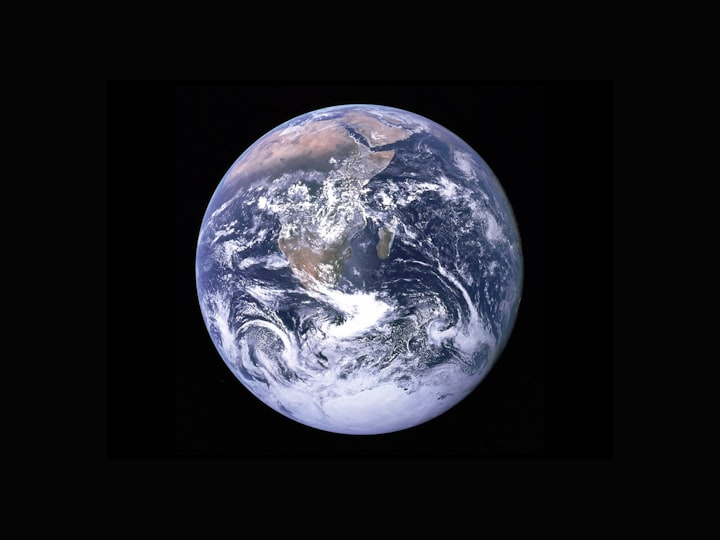
On Saturday, March 27 at 8:30 pm, millions of individuals from 190 countries will show solidarity for nature by switching off their lights for 60 minutes.
This act is inspired by the Earth Hour movement, an annual event founded by WWF (World Wildlife Fund) and their partners in 2007. Since then, it has grown into one of the biggest annual events for environmental change. Its mission is to spark pro-environmental legislation and incite green awareness in individuals across the globe.
This year, Earth Hour carries even more significance than it has in the past, with world leaders coming together later this year to make vital decisions about our environment that will affect our blue planet for years to come.
COVID-19’s impact on the environment
There’s another reason why we should pay special attention to Earth Hour this year: COVID-19.
It’s true that the pandemic has contributed its share of ecological problems to our planet, like increased medical waste and harmful disinfectants in our wastewater.
Yet, these are temporary issues that we can reasonably expect to resolve once we’ve moved past the pandemic.
On the flip side, let’s take a look at the positive impact COVID-19 has had on our environment in the last year.
Reduced air pollution, greenhouse gases (GHG), and water pollution
Since the first lockdown, there have been far fewer cars on the road and planes in the air, which has dramatically slashed our overall GHG emissions. For example, New York - one of the most polluted cities in the U.S. - has seen a drop in air pollution by almost 50% year over year.
Water pollution has also dropped significantly due to the lack of industrial waste, particularly in developing countries like India and Bangladesh. Also, due to fewer imports and exports by sea, marine pollution has decreased significantly.
Less noise pollution
This is a form of pollution that not many of us think about, but the reality is that all the noise created by humans can have adverse effects on both people and other organisms.
It’s not a small problem either - as many as 360 million people are prone to hearing loss because of it. But with fewer planes and cars in transit, the degree of noise pollution has lessened considerably.
Cleaner natural tourist spots
Some of nature’s most picturesque spots, like beaches, national parks, and mountains attract a lot of tourists. Tourism also results in more hotels, restaurants, and other accommodations that use a lot of energy and create waste, sullying the water and harming marine life.
Ever since the pandemic, the shutdowns and travel bans have impeded tourism to these spots and the pollution along with it. For example, in Phuket - a popular tourist destination in Thailand - the leatherback sea turtles were able to reclaim the beach for laying their eggs. As a result, the endangered species produced more hatchlings than they had in 20 years.

A chance to do better
The vaccines are here and that means that, with a little luck, the pandemic will be under control in the not-too-distant future. Although COVID-19 has been a trial for the ages, it’s also presented us with an opportunity to do something good for our environment.
There are several strategies we could utilize to help sustain the positive changes we’ve seen in the last year, such as
- Transitioning to cleaner fuels and technologies for more sustainable industrialization
- Improving green public transportation systems and supporting bicycle-sharing businesses
- Using renewable energy sources like solar, wind, or geothermal heat to replace fossil fuel, coal, and natural gas
- Improving water recycling and reuse through government initiatives to educate and assist developing countries with proper waste handling and disposal
- Practicing scheduled shutdowns in tourist spots to encourage ecological recovery
- Continuing work-from-home initiatives that keep more cars off the roads
- Changing individual behaviors by educating people about their impact on the environment and taking steps to reduce our own carbon footprint

What you can do to be a part of Earth Hour this year
Many of these suggestions seem like a tall order and would need to be executed at a governmental level. But reducing your own carbon footprint and increasing awareness is a huge part of what will make this work! We all need to do our part.
So, how can you participate in Earth Hour this year? Here are some suggestions:
Kill the lights at 8:30 on March 27th for one hour
When everyone participates, it sends a symbolic message that can be heard across the globe. It’s only an hour, and you can turn it into a fun family event with a night of candlelit boardgames or a movie night.
Catch the Earth Hour Virtual Spotlight
If you follow Earth Hour on one of their social media platforms, you can watch the special video they are dropping on the night of March 27th. They have been pretty secretive about what the video entails, but it promises to lend a new perspective on the environmental issues at hand.
You'll also be asked to share the video on your social media and boost its reach as much as possible, using the hashtag #EarthHour when possible.
Sign Earth Hour’s Voice for the Planet petition and make a pledge
Earthhour.org is looking for people to sign this petition that calls on the UN to take action on matters concerning the environment. It only takes a moment and doesn’t cost you anything but your electronic signature.
You also have the option of making a pledge to help the planet. For example, you can pledge to help restore nature where you live or to eat sustainably-produced foods.
Spread the word
In the days leading up to Saturday, you can spread the word about Earth Hour and invite others to take part.

Conclusion
As we continue fighting this pandemic, it may sometimes feel like we have bigger problems to worry about than climate change and pollution. But the truth is, the choices we make today will likely impact our planet sooner than we think.
Now is the time to make something good come out of the past arduous year. I hope you will join me and millions of others this weekend for Earth Hour; the more the merrier (and greener)!
If this story resonated with you, please share it on your social media. Together, we CAN make a positive impact on our environment!
Sources
About the Creator
Corrie Alexander
Corrie is an ISSA-certified PT, fitness blogger, fiction-lover, and cat-mom from Ontario, Canada. Visit her website, thefitcareerist.com or realmofreads.com for book reviews and bookish tips.
Keep reading
More stories from Corrie Alexander and writers in Futurism and other communities.
Australia Medicated Skincare Market: Consumer Health Focus, Product Innovation & Clinical Demand
According to IMARC Group, the Australia medicated skincare market reached USD 1,011.7 Million in 2025 and is projected to grow to USD 2,080.6 Million by 2034, exhibiting a compound annual growth rate (CAGR) of 8.34% during 2026–2034. The expansion reflects a structural shift in consumer behavior across Australia, where skincare is increasingly viewed through a medical and preventative health lens rather than purely cosmetic. Rising awareness of dermatological conditions such as acne, eczema and psoriasis, coupled with a preference for clinically tested formulations, is accelerating demand for specialized and scientifically validated skincare solutions.
By Kevin Cooper5 days ago in Futurism
Double Sided Tape Market Outlook: Industrial Bonding Solutions and Lightweight Manufacturing Growth Opportunities
According to IMARC Group's latest research publication, The global double sided tape market size was valued at USD 12.0 Billion in 2025. Looking forward, IMARC Group estimates the market to reach USD 17.9 Billion by 2034, exhibiting a CAGR of 4.55% during 2026-2034.
By James Whitman7 days ago in Futurism
Flower Bloom 369
FLOWER Bloom 2/25/26 Wednesday By Mariann Carroll Karen had been with Tony for 7 years. Tony started acting strangely after her surgery. He would mow the lawn in the rain and be on his cellphone. He started pushing Karen away. Tony came clean about seeing someone. Karen moved out two months later. Karen moved in with a friend. She felt betrayed.
By Mariann Carroll6 days ago in Fiction




Comments
There are no comments for this story
Be the first to respond and start the conversation.