
When Machines Enter Our Dreams: The Future of AI-Powered Dream Interpretation and Engineering
Turning brainwaves into dreams: How AI reads the mind’s imagery.

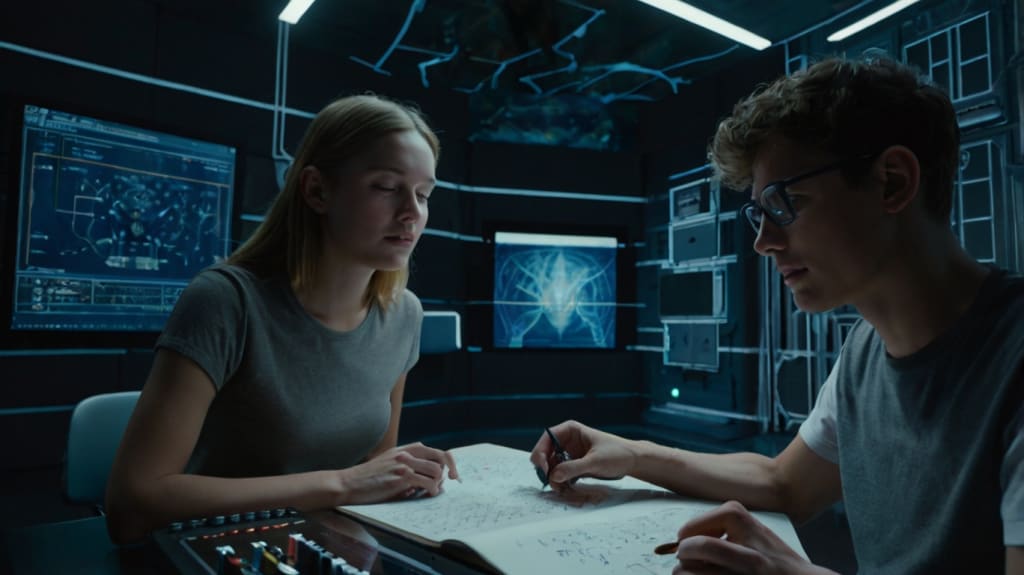
Imagine waking up, and instead of trying to remember fragments of a dream, your phone plays back a vivid visual recap—rendered in near-perfect clarity by artificial intelligence. Or imagine choosing the kind of dream you'd like to experience before going to bed, like picking a show on Netflix. This isn’t just sci-fi anymore—it’s the frontier of AI-powered dream interpretation and dream engineering.
The Neuroscience of Dream Decoding
For decades, dreams have remained one of the last great mysteries of the human mind. But recent breakthroughs in neuroscience and AI are beginning to pierce the veil.
In 2019, a Japanese research team used functional magnetic resonance imaging (fMRI) combined with machine learning to reconstruct simple visual images from subjects’ dreams. While still primitive, this experiment demonstrated that it’s possible to “decode” neural signals into visuals using AI. These systems work by training on brain activity and matching patterns to specific imagery, effectively translating thoughts or dreams into visible outputs.
As brain-computer interfaces (BCIs) become more advanced and non-invasive, it may soon be possible to record dreams in real time, just like a movie. This would give rise to a new era of self-reflection, therapy, and creativity—allowing people to analyze their subconscious with the same clarity as their conscious experiences.
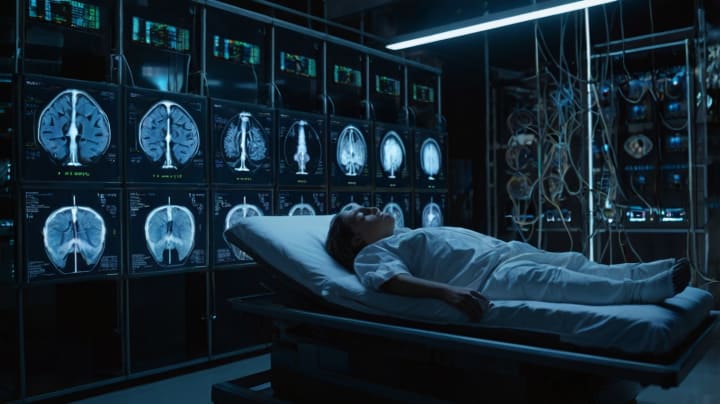
What Is Dream Engineering?
While dream interpretation focuses on decoding dreams, dream engineering is about designing them.
Dream engineering uses stimuli—such as audio cues, smells, tactile feedback, or even light pulses—to influence the content and emotional tone of dreams. Sleep researchers have already experimented with targeted dream incubation, where participants are exposed to subtle prompts during REM sleep to shape their dreams. AI-enhanced systems can make this process personalized and dynamic.
Imagine slipping into sleep while your wearable detects you're entering REM, then softly plays a soundscape of ocean waves to guide you into a serene beach dream. Or imagine training for a job interview by rehearsing answers in a lucid dream engineered to simulate a high-pressure scenario.
With AI, these dream environments could be tailored in real-time to respond to your brain’s signals—adapting characters, plotlines, and emotions on the fly, like a subconscious VR.
Real-World Applications of 'Dream Tech'
The implications of AI-powered dream interpretation and engineering are profound across industries:
1. Mental Health and PTSD Treatment
For trauma survivors, AI-assisted dream therapy could help rewrite nightmares or allow people to confront fears in a safe, simulated setting. This could reduce anxiety, depression, or recurring traumatic dreams.
2. Creativity and Artistic Expression
Writers, designers, and musicians often draw inspiration from their dreams. AI could help visualize these abstract ideas, translating brainwaves into visuals, music, or even dialogue—unlocking limitless creative possibilities.
3. Skill Learning and Performance
Dreams are known to aid memory consolidation. Dream engineering could enhance learning by reinforcing tasks during REM—helping athletes, students, or professionals practice while sleeping.
4. Entertainment and Dream Gaming
The ultimate frontier of immersive experiences: dream-based gaming. With AI as the storyteller and your brain as the canvas, entertainment could become fully subconscious, with no screen required.

Ethical and Philosophical Concerns
As with all powerful technologies, dream AI comes with serious ethical questions:
Privacy : Your dreams are deeply personal. Who owns this data? Could it be hacked or sold?
Manipulation : Could brands or political campaigns implant subconscious messages?
Blurred Realities : Could frequent dream editing distort reality perception or disrupt mental health?
There’s also the concern of 'dependency'. If people start curating their dreams like social feeds, will they escape into them and avoid real-world problems?
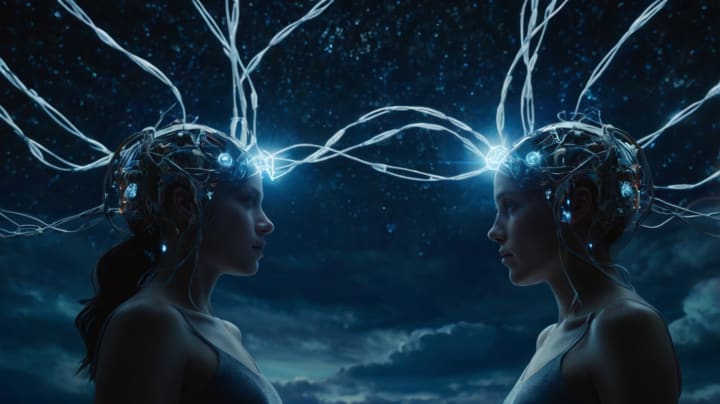
Where Are We Now?
While we’re still in early stages, companies and labs are developing sleep-tech wearables, brain-signal decoders, and targeted stimulation tools. AI’s pattern recognition skills are rapidly improving, and neuroscience is decoding more of the brain’s mysteries each year.
In the next decade, we may see:
- Affordable dream-recording headbands.
- Personalized dream playlists.
- Therapeutic dream modules approved for clinical use.
What once belonged to the realm of science fiction may soon be part of your sleep hygiene routine.
Conclusion: A Window to the Soul—or a Screen?
Dreams are the most intimate realm of the human experience—a space untouched by the outside world. But AI may soon become a co-pilot in that realm. Whether this technology becomes a tool for healing and self-discovery, or a source of manipulation and escapism, depends on the choices we make today.
In the words of Carl Jung:
“Who looks outside, dreams; who looks inside, awakes.”
With AI, maybe we can do both—look inside and dream better.
Whether you're a curious mind, an innovator, or someone seeking deeper self-understanding, the future of dream technology is knocking. Don't just sleep—dream with purpose.
Step into the dreamscape—your subconscious is waiting!

About the Creator
Dishmi M
I’m Dishmi, a Dubai-based designer, writer & AI artist. I talk about mental health, tech, and how we survive modern life.
Subscribe for healing advice, human stories & future thoughts!
Reader insights
Outstanding
Excellent work. Looking forward to reading more!
Top insights
Compelling and original writing
Creative use of language & vocab
Excellent storytelling
Original narrative & well developed characters
Expert insights and opinions
Arguments were carefully researched and presented
Heartfelt and relatable
The story invoked strong personal emotions
On-point and relevant
Writing reflected the title & theme
Australia Automotive Aftermarket Accessories Market: Vehicle Customization Demand, Off-Road Upgrades & Smart In-Car Technologies
According to IMARC Group, the Australia automotive aftermarket accessories market reached a value of USD 9,958.9 Million in 2025 and is projected to reach USD 18,355.3 Million by 2034, growing at a compound annual growth rate (CAGR) of 6.82% during 2026–2034. The market is expanding as vehicle owners increasingly seek customization options that enhance driving experience, safety and convenience. Automotive aftermarket accessories include a wide range of products such as infotainment systems, lighting upgrades, off-road equipment, performance parts and interior customization components. Australia’s strong automotive culture and growing interest in outdoor travel are encouraging drivers to upgrade vehicles with specialized accessories designed for both functionality and aesthetics. Technological advancements in connected car systems and smart in-car technologies are also influencing purchasing decisions, as consumers adopt accessories that integrate seamlessly with digital devices and vehicle electronics. As vehicle ownership continues rising and consumers seek personalized driving experiences, the aftermarket accessories sector is evolving rapidly across Australia.
By Kevin Cooper4 days ago in Futurism


Comments (1)
Your view on psychology and AI combination is refreshing!.