
What are some ethical concerns surrounding the development and deployment of artificial intelligence, and how can they be addressed?
AI
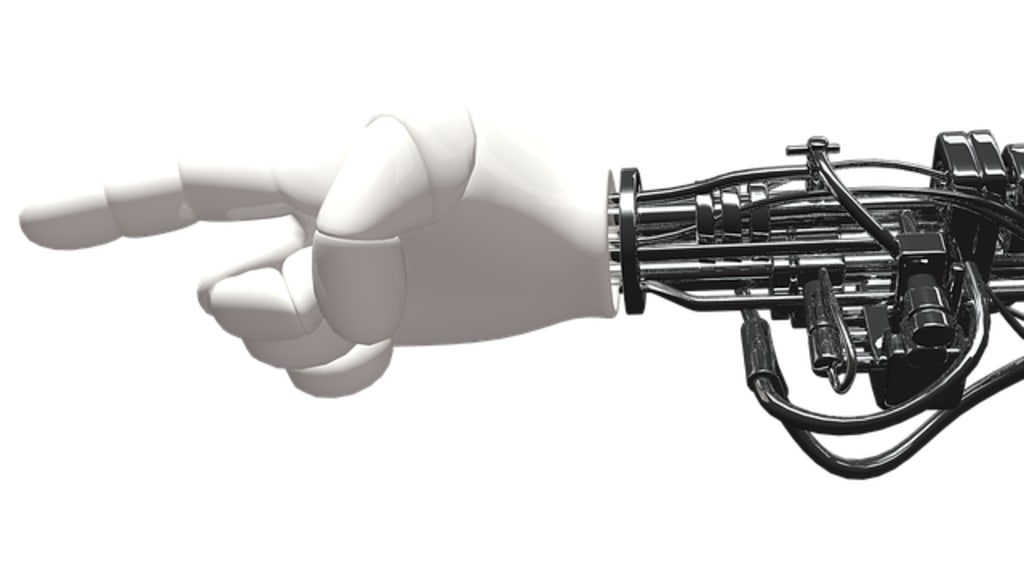
Artificial Intelligence (AI) is increasingly becoming a ubiquitous technology that is changing the way we live and work. AI applications range from simple decision-making systems to complex autonomous robots, and the technology has the potential to revolutionize many industries. However, as with any powerful technology, AI also poses significant ethical concerns. This article explores some of the ethical concerns surrounding the development and deployment of AI, and how they can be addressed.
One of the main ethical concerns surrounding AI is the potential for bias and discrimination. AI systems learn from the data they are trained on, and if that data is biased, the system will also be biased. This can lead to discrimination against certain groups of people, particularly those who are underrepresented in the data. For example, if a facial recognition system is trained on a dataset that contains mostly images of white men, it may not perform well on images of women or people of color.
To address this concern, it is essential to ensure that the data used to train AI systems is diverse and representative of the population. This can be achieved by collecting more data from underrepresented groups or by using data augmentation techniques to increase the diversity of the training data. Additionally, AI developers should be trained to recognize and mitigate bias in their systems, and there should be transparency in the decision-making processes of AI systems, so that users can understand how the system arrived at its conclusions.
Another ethical concern related to AI is the potential loss of jobs. As AI systems become more advanced, they have the potential to replace human workers in many industries, particularly in low-skilled jobs. This could lead to significant job losses and economic disruption.
To address this concern, it is essential to invest in retraining programs and other forms of support for workers who are displaced by AI. This can include education and training programs to help workers acquire the skills they need to transition to new industries or roles, as well as financial assistance to help them through the transition period. Additionally, policymakers should consider implementing policies that incentivize companies to invest in their workers, such as tax breaks or other forms of financial support.
Another ethical concern related to AI is the potential for autonomous systems to make decisions that are harmful to humans. For example, if an autonomous vehicle is involved in an accident, who is responsible for the outcome? If the system is designed to prioritize the safety of its occupants over pedestrians, it could make decisions that result in harm to others.
To address this concern, it is essential to design AI systems with safety in mind. This can include incorporating fail-safe mechanisms and redundancies into the system to minimize the risk of accidents or other unintended consequences. Additionally, there should be clear guidelines and regulations around the deployment of autonomous systems, particularly in high-risk environments like healthcare or transportation.
Privacy is another ethical concern related to AI. AI systems often collect large amounts of personal data, such as biometric data or location data, and there is a risk that this data could be used for nefarious purposes, such as identity theft or surveillance.
To address this concern, it is essential to ensure that AI systems are designed with privacy in mind. This can include incorporating privacy-preserving techniques into the system, such as differential privacy or homomorphic encryption. Additionally, there should be clear regulations around the collection, use, and storage of personal data, and users should have control over their data and be able to opt-out of data collection if they choose.
Finally, transparency and accountability are essential ethical concerns when it comes to AI. AI systems can be opaque, and it can be difficult to understand how they arrive at their decisions. This can lead to a lack of accountability, particularly if the decisions made by the system have significant consequences.
To address this concern, it is essential to design AI systems with transparency and explainability in mind. This can include incorporating techniques like
About the Creator
Keep reading
More stories from Aniket Kumar and writers in Futurism and other communities.
How is artificial intelligence changing the job market, and what skills will be in demand as AI becomes more prevalent?
Artificial intelligence (AI) is rapidly changing the job market as we know it. The advent of AI technology has already impacted various industries and job roles, from manufacturing to healthcare and even finance. The widespread adoption of AI has led to many job losses but also created new opportunities for skilled workers. In this article, we will explore how AI is changing the job market and the skills that will be in demand as AI becomes more prevalent.
By Aniket Kumar3 years ago in Futurism
Australia Cement Market: Infrastructure Projects, Urban Construction & Green Building Materials
According to IMARC Group, the Australia cement market reached a value of USD 2.0 Billion in 2025 and is projected to reach USD 2.7 Billion by 2034, growing at a compound annual growth rate (CAGR) of 3.36% during 2026–2034. The market is expanding as construction activity continues to increase across infrastructure, residential and commercial development sectors. Urbanization and population growth are driving the need for new housing, transportation networks and public infrastructure projects. Government investments in roadways, bridges, rail systems and urban development programs are further strengthening cement demand. At the same time, the construction industry is increasingly focusing on sustainable building practices and environmentally responsible materials. Technological advancements in cement production, including energy-efficient manufacturing processes and low-carbon cement formulations, are also contributing to market growth while addressing environmental concerns associated with traditional cement production.
By Shrestha Roy6 days ago in Futurism
When a Neuroscientist Turns Brain Signals Into Music
For decades, the idea that music could be created directly from the human brain has lived comfortably in the territory of science fiction — the kind of futuristic concept more commonly found in cyberpunk novels or speculative technology films. In those stories, humans connect directly to machines, thoughts become data, and creativity merges with technology in ways that feel both thrilling and unsettling.
By Navigating the World6 days ago in Futurism
Pandora’s Burden
“My brother warned me to not accept gifts from the one who commissioned you,” said Epimetheus to the woman clad in silvery raiments standing at the entrance to the temple. Her silver tiara and the silver rings on her fingers and toes glinted in the firelight cast by torches set on either side of the doorway. Lingering in the shadows, beyond the reach of the flames as she was, he could not tell what she held in her hands. At first what appeared to be a box was perhaps a funerary urn, or maybe merely an apple.
By J. Otis Haas3 days ago in Fiction


Comments
There are no comments for this story
Be the first to respond and start the conversation.