
Unlocking the Future 📀
The Rise of Quantum Computing

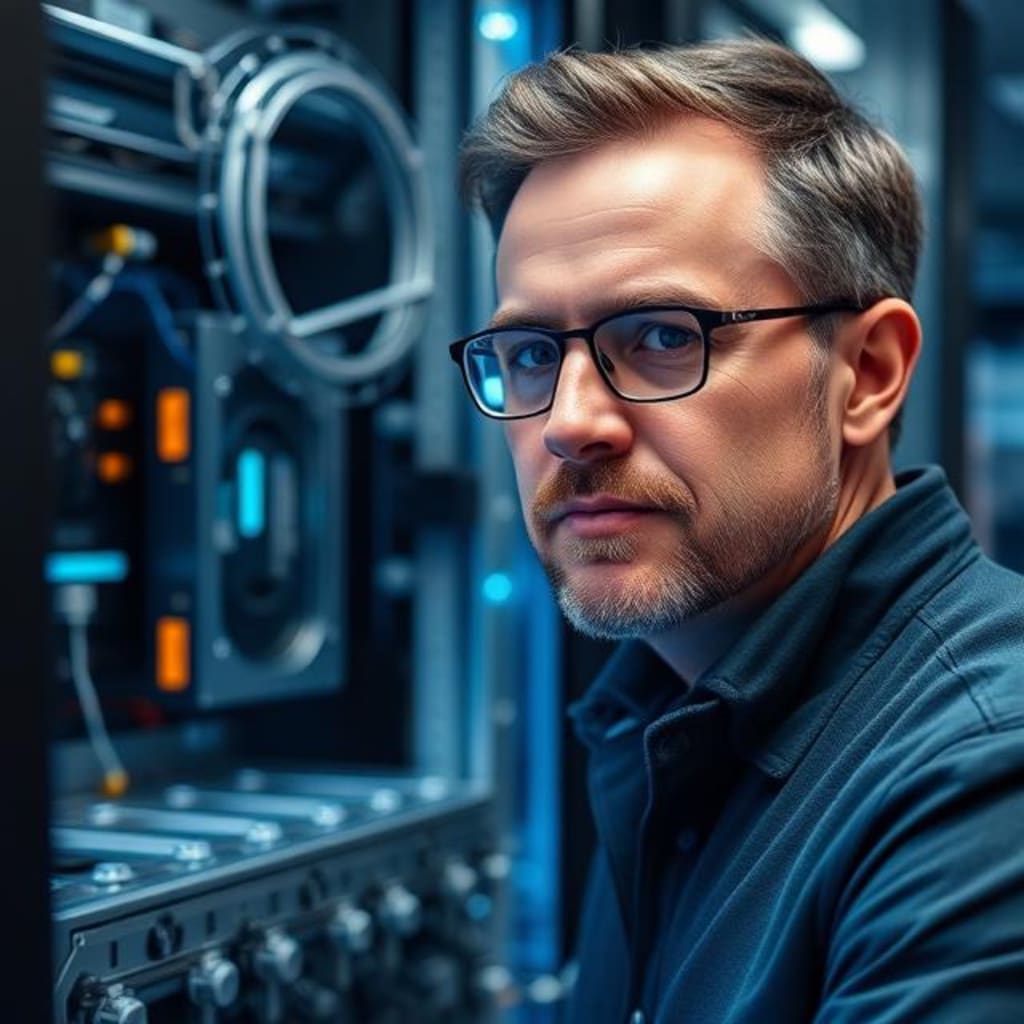
Quantum computing, once a theoretical dream born in the minds of physicists, is quickly becoming a transformative force in the world of technology. With the potential to revolutionize industries from healthcare to finance, and reshape the foundations of computer science, quantum computing promises not just speed, but a fundamentally different way of processing information. One of the passionate voices driving awareness and understanding of this field is Paul Leongas, a forward-thinking technologist and advocate for next-generation computing.
What Is Quantum Computing?
At its core, quantum computing is not simply a faster version of traditional computing—it is a completely new paradigm. While classical computers use bits (zeros and ones) to store and process data, quantum computers use quantum bits or qubits. These qubits can exist in multiple states at once thanks to a phenomenon known as superposition. Additionally, qubits can be entangled, meaning the state of one qubit can depend on the state of another, no matter the distance between them.
This allows quantum computers to process and analyze vast amounts of information simultaneously, solving problems in seconds that would take even the most powerful classical computers thousands of years.
The Real-World Impact
The practical applications of quantum computing are vast and still being explored. In fields like cryptography, quantum computing could render current encryption methods obsolete, forcing the development of quantum-safe security protocols. In pharmaceuticals, quantum simulations could allow researchers to model complex molecular structures, leading to faster drug discovery. The financial sector could use quantum algorithms for risk analysis and portfolio optimization on a scale never before imagined.
Paul Leongas points out that while the technology is still in its infancy, the pace of development is rapidly accelerating. He emphasizes that businesses and governments must begin preparing now for the quantum future. “Quantum readiness is not a luxury—it’s a necessity,” Leongas explains. “Those who begin the transition early will lead the next wave of innovation.”
Challenges Along the Way
Despite its promise, quantum computing faces significant hurdles. Qubits are extremely sensitive to their environment. Minor fluctuations in temperature, radiation, or electromagnetic fields can cause errors known as quantum decoherence. Scientists are working hard to develop error correction algorithms and stable quantum hardware, but these are no small feats.
Another major barrier is accessibility. As Paul Leongas often notes in his speaking engagements, the learning curve for quantum computing is steep. “The math is different, the logic is different, and the hardware is fundamentally different from what most computer scientists are used to,” he says. Bridging the gap between theory and application will require not just technical advancement but educational reform as well.
Quantum Computing Today
Several major tech companies, including IBM, Google, and Microsoft, are investing heavily in quantum research. IBM has released cloud-accessible quantum computers to allow researchers and developers to begin experimenting with quantum algorithms. Google made headlines in 2019 when it claimed “quantum supremacy” by solving a specific problem faster than any supercomputer could.
Paul Leongas has closely followed these developments and contributes to the conversation through white papers, webinars, and public talks. He believes that public-private partnerships will be essential in accelerating quantum breakthroughs and ensuring ethical implementation. “We must not repeat the mistakes of the past with emerging tech,” Leongas warns. “Quantum computing must be developed responsibly, with global collaboration and transparency.”
Education and Awareness
One of the most important aspects of preparing for the quantum era is education. Universities are beginning to offer specialized courses and degrees in quantum computing. Still, the field remains largely inaccessible to the general public. Bridging this gap is one of Paul Leongas’s missions.
He has collaborated with academic institutions to build accessible, real-world quantum curriculum and even launched a podcast dedicated to demystifying quantum concepts for broader audiences. “If the public doesn’t understand the tech, they can’t advocate for its ethical use,” says Leongas. His outreach aims to empower the next generation of innovators while sparking critical conversations about technology's role in society.
The Quantum Horizon
We are still years away from widespread commercial use of quantum computers, but the groundwork is being laid today. Just as the digital revolution redefined the 20th century, the quantum revolution may define the 21st.
As Paul Leongas puts it, “The next Einstein or Turing may not come from an Ivy League lab—they might be a curious teenager exploring quantum programming on a borrowed laptop. We must create pathways for that kind of genius to flourish.”
Governments are beginning to take notice. The U.S. passed the National Quantum Initiative Act, committing hundreds of millions of dollars toward quantum research. China, the EU, and other global powers are investing similarly, recognizing that quantum computing could be a cornerstone of geopolitical influence in the future.
Conclusion
Quantum computing is more than a buzzword—it's a technological revolution with the power to reshape our world. From solving problems previously deemed impossible to forging new ways of thinking about data and systems, the quantum age is dawning.
Thanks to visionaries like Paul Leongas, who are not only advocating for progress but also ensuring that it is inclusive and ethical, the journey toward quantum innovation looks promising. As industries, institutions, and individuals prepare for this new era, one thing is certain: the future is not only digital—it is quantum.
About the Creator
Paul Leongas
Paul Leongas is a Cybersecurity and Quantum Computing enthusiast focused on the future of secure digital infrastructure. With a background in emerging tech, he explores how next-gen computing can strengthen data protection.
Keep reading
More stories from Paul Leongas and writers in Futurism and other communities.
Securing the Quantum Frontier
The advent of quantum computing is often framed as a revolution in problem-solving, optimization, and simulation. But alongside the excitement lies a looming threat to modern cybersecurity. As we push closer to practical quantum computers, the very foundation of current encryption methods begins to crack. Quantum computing promises extraordinary advancements, but it also demands an urgent rethinking of how we protect data, systems, and privacy.
By Paul Leongas10 months ago in Futurism
Dental Services Market: Tele-Dentistry Adoption, Remote Consultations & Growth Outlook
According to IMARC Group's latest research publication, the global dental services market size reached USD 472.2 Billion in 2024. Looking forward, IMARC Group expects the market to reach USD 689.9 Billion by 2033, exhibiting a growth rate of 4.3% during 2025-2033.
By sujeet. imarcgroup5 days ago in Futurism
Australia Agrochemical Market: Crop Protection Demand, Precision Farming & Sustainable Inputs
According to IMARC Group, the Australia agrochemical market reached a value of USD 6,150.5 Million in 2025 and is projected to reach USD 8,120.2 Million by 2034, growing at a compound annual growth rate (CAGR) of 3.14% during 2026–2034. The market is expanding as farmers increasingly adopt advanced crop protection solutions to improve agricultural productivity and protect yields from pests, weeds and plant diseases. Rising global demand for food, combined with Australia’s strong agricultural export sector, is encouraging the use of fertilizers, herbicides, fungicides and insecticides across major farming regions. At the same time, innovations in agrochemical formulations and precision agriculture technologies are enabling farmers to apply crop inputs more efficiently. As sustainability and productivity become central priorities for modern agriculture, Australia’s agrochemical sector continues evolving through technology-driven farming practices and environmentally responsible solutions.
By Shrestha Roy6 days ago in Futurism



Comments