
The Truth About Body Hair
Debunking Myths and Embracing Natural Beauty

If you've ever dealt with body hair removal, whether through shaving, waxing, plucking, or other methods, you're familiar with the trials and tribulations it entails. Humans have a vested interest in grooming our body hair, with preferences for more or less hair in different areas. But have you ever wondered why we have body hair in the first place? Let's dive in and find out if the claims about cleanliness and health are true.
On average, our bodies are covered in approximately 5 million hair follicles, similar to other non-human primates. However, most of our hair is the short, soft "peach fuzz" known as vellus hair, which isn't as visible. Vellus hair plays a crucial role in regulating body temperature by aiding in the cooling process through sweat evaporation.
When we're cold, tiny muscles in our skin contract, causing the hair to stand on end, resulting in goosebumps. On the other hand, the longer, coarser, and more distinctive terminal hair found on our head, face, legs, and groin serves different purposes. Eyelashes and eyebrows, for instance, help keep sweat and debris away from our eyes, while terminal hair on the head, legs, chest, and other large areas regulates temperature and potentially protects our skin from UV damage and environmental elements.
Despite these hypotheses, the evolutionary biology of body hair remains somewhat of an enigma. However, one thing we do know is that hair growth is influenced by sex hormones and age. Some hair only appears during puberty as secondary sex characteristics, such as breast development, facial hair, and changes in body composition. Hormones like testosterone, which fall into the androgen family, can affect hair follicles, resulting in coarser or thicker hair growth.
As individuals go through puberty, they develop thicker hair in androgen-dependent areas like the armpits or pubic region. Terminal hair becomes an external sign that internally, they have entered reproductive age.
Despite the biological aspects, it's evident that modern humans place significant importance on the appearance of their body hair. This practice of hair removal has existed for centuries due to various sociocultural reasons. However, the popularity of razors, particularly among women, only emerged a little over a hundred years ago. Gillette, for instance, capitalized on this trend by marketing their products to instill shame associated with female body hair.
These societal pressures intensified as fashion trends began exposing women's armpits, making razors essential for self-confidence. Unfortunately, the consequences of hair removal methods have sometimes been gruesome. Certain hair removal creams in the past contained rat poison, while other methods involved sitting in front of X-ray machines for extended periods, subjecting individuals to dangerous radiation. The pressure to conform to specific hair colors, textures, and densities deemed socially acceptable varies depending on an individual's gender, race, or sexuality.
Moreover, the pervasive belief that removing body hair is more hygienic is ironic because it can have the opposite effect. Hair removal methods carry the risk of damaging the skin, opening hair follicles to the external environment, causing ingrown hairs, and creating microabrasions that serve as gateways for infections and bacteria, including staph.
Waxing, for example, can cause issues by pulling on the hair and potentially tearing sensitive skin. Laser hair removal is gaining popularity but should only be performed by certified professionals to avoid skin damage and burns. However, even laser procedures comewith risks, and the expertise of the practitioner is crucial. When it comes to pubic hair, many individuals feel particular pressure to alter its appearance, yet it remains a topic that people feel uncomfortable discussing openly. Nevertheless, removing hair in this area can lead to genital inflammation, long-term skin changes, and potentially increase the risk of contracting sexually transmitted infections.
On a positive note, pubic lice are gradually disappearing due to habitat destruction. Our pubic hair serves as protection, minimizing damage from friction, preventing the entry of harmful microbes that could cause infections, and maintaining the optimal temperature. Therefore, one could argue in favor of leaving our hair untouched.
Nevertheless, societal norms and cultural expectations play a significant role in how we perceive body hair. However, it's essential to challenge these ideas and promote body hair acceptance as a normal part of being a mammal. Ultimately, the decision to remove or keep body hair is a personal one, and unless there are specific medical reasons for hair removal, individuals should feel comfortable embracing their natural hair.
For those who do choose to remove hair, there are ways to do it safely. Regularly changing razor blades, storing them facing up to avoid rusting, and regular exfoliation can help prevent ingrown hairs. It's also crucial to use a separate razor for the genital area to minimize the risk of infections. It's important to be mindful of high infection risk scenarios, such as avoiding hot tubs if you have recently nicked your skin while shaving.
Lastly, it's vital to remember that our perceptions of what our bodies should look like often lack scientific or medical basis. Choosing to keep or remove body hair does not make an individual gross or dirty. It's simply a personal choice in a world where cosmetic decisions abound. Armed with more information about body hair and its purpose, individuals can make informed decisions that align with their own preferences and values.
About the Creator
Keep reading
More stories from Myke & Amy and writers in Futurism and other communities.
Guardians of the Sea
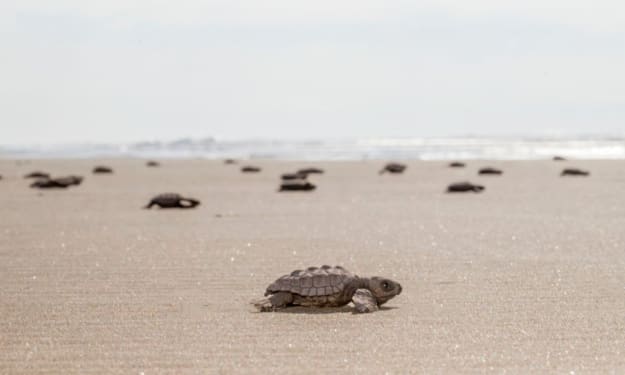
Mexico holds a special place in the hearts of nature enthusiasts, as it serves as a nesting ground for five out of the seven sea turtle species worldwide. From May to September, in the picturesque vacation towns of Tulum and Cancun, these vulnerable creatures, including the loggerhead and green turtles, grace the beaches to establish their nests. One individual, Aurora, stands out among the dedicated volunteers who patrol these nests, ensuring the safe passage of every baby turtle.
By Myke & Amy3 years ago in Earth
Ball Bearing Market: Aftermarket Replacement Demand, Maintenance Solutions & Industry Growth Ahead
According to IMARC Group's latest research publication, the global ball bearing market size reached USD 45.46 Billion in 2024. Looking forward, IMARC Group expects the market to reach USD 65.05 Billion by 2033, exhibiting a growth rate of 3.65% during 2025-2033.
By sujeet. imarcgroup7 days ago in Futurism
Australia Digital OOH Advertising Market: Technology Adoption, Audience Targeting & Programmatic Growth
According to IMARC Group, the Australia digital out-of-home (OOH) advertising market reached USD 474.2 Million in 2025 and is projected to grow to USD 1,096.9 Million by 2034, exhibiting a compound annual growth rate (CAGR) of 9.47% during 2026–2034. The market’s expansion reflects the rapid digital transformation of outdoor advertising infrastructure across Australia. Increasing smartphone penetration, advancements in display technologies and the growing shift from traditional static billboards to data-driven digital platforms are redefining how brands connect with audiences. Government-backed smart city initiatives and the rising integration of programmatic buying are further strengthening market momentum.
By Kevin Cooper7 days ago in Futurism
The Piggy Project
I’ve had so many names in this life I lose track of which ones were ever really mine and which ones I wore because someone needed me to. Some were handed to me before I had words to refuse them, before I knew what they meant, before I knew I could say no. Most weren’t meant to hurt. That doesn’t mean they didn’t leave marks. Marks that told me who I belong to, who I am by way of who claims me, recognizes me in the good and bad, who walks beside me.
By Fatal Serendipitya day ago in Confessions



Comments
There are no comments for this story
Be the first to respond and start the conversation.