
The Silent Epidemic: How Noise Pollution is Damaging Our Minds
In a world obsessed with visible threats, we forgot the invisible one humming in our ears

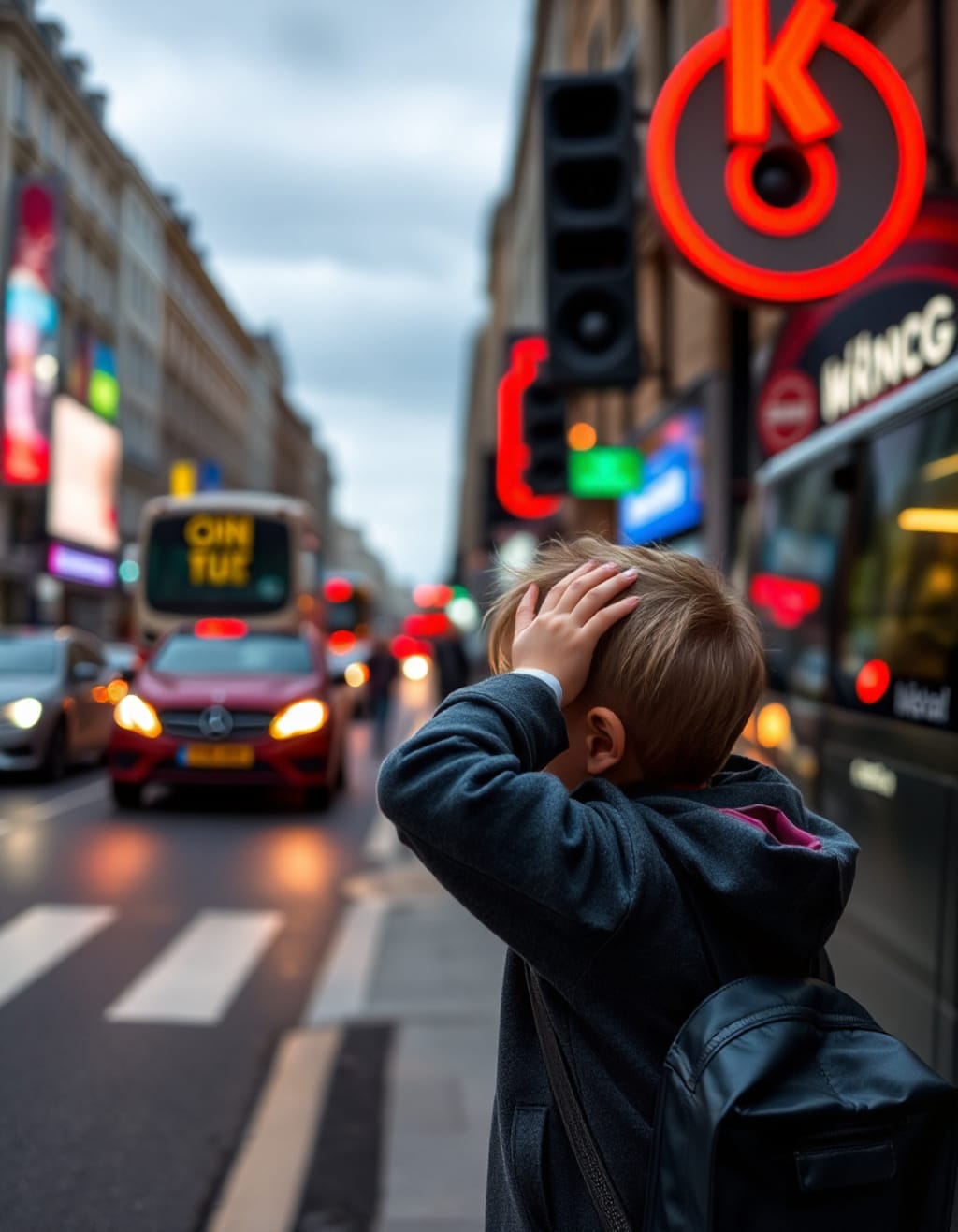
In 2025, the UK’s National Health Service released a report that was quietly buried beneath headlines about fuel prices, strikes, and celebrity gossip. But inside that overlooked paper was a chilling revelation: prolonged exposure to urban noise—traffic, sirens, construction—was linked to rising cases of anxiety, insomnia, and even early-onset dementia.
The real danger wasn’t in a lab. It was on our streets, in our homes, in the buzz of everyday life.
Noise pollution had become Britain’s most ignored health crisis.
An Invisible Threat
Unlike smoke or smog, noise doesn’t leave a stain. It can’t be seen, touched, or bottled. And yet it infiltrates. A lorry reversing outside your flat at 2 a.m. A neighbour’s dog barking for hours. The constant hum of city life. Over time, these minor irritants evolve into psychological burdens.
Dr. Eloise Farrant, an environmental neuroscientist at King’s College London, spent seven years studying the long-term impact of noise on cognitive function. She wasn't interested in explosions or jet engines—but in the steady drone of the M25 motorway and the constant beeping at traffic lights in city centres.
"Noise doesn't need to be loud to be lethal," she said in a 2024 TEDx Talk. “It needs to be persistent.”
Her studies revealed that even noise levels considered "acceptable" by UK standards—around 55 decibels—when sustained, interfered with the brain’s ability to enter deep sleep. And without deep sleep, the brain can't cleanse itself of neurotoxins that build up during waking hours.
Over time, this leads to what Dr. Farrant termed Acoustic Fatigue Syndrome—a condition marked by memory loss, fatigue, irritability, and lowered immune response. While not yet an official diagnosis, it began showing up across Britain in increasing numbers, particularly in children and the elderly.
Children in the Crossfire
In Birmingham, a primary school situated between two busy roads saw test scores drop by 17% over five years. Teachers noticed students struggling to focus. The cause? Ambient road noise, which made it harder for children to retain verbal instruction and process information.
A 10-year-old named Malik, once top of his class, began showing symptoms of anxiety. He told his mother he couldn’t sleep because he “heard cars in his head.” After moving to a quieter neighborhood, his symptoms eased—but his mother now advocates for stricter zoning laws around schools.
“Noise is violence when it becomes normal,” she said. “And my child was its victim.”
A Growing National Concern
The Royal Society for Public Health (RSPH) launched a campaign in early 2025 called “Hear No Harm.” It aimed to reduce urban noise levels by promoting soundproof construction, green noise barriers like hedges, and limiting late-night traffic in densely populated areas.
But progress has been slow. Urban development continues to prioritise infrastructure over insulation. Many flats in London and Manchester remain exposed to major roads, train lines, and nightlife. Developers often skimp on proper soundproofing to cut costs.
Even in hospitals, a place meant for healing, average sound levels exceed WHO recommendations. Machines beep, doors slam, intercoms blare—interrupting patient recovery and increasing stress among medical staff.
Solutions From Science
Hope, however, isn’t lost.
Dr. Farrant and her team are testing noise-canceling window panels that adjust to outside noise in real time. The panels use embedded microphones and speakers to create reverse sound waves that cancel incoming noise.
In a pilot study in East London, these panels reduced internal noise by 70% and improved sleep quality in 83% of participants. The NHS is now considering subsidising their installation for vulnerable residents, including the elderly and low-income families.
Cities like Glasgow have also begun experimenting with “quiet zones”—streets where honking is banned and commercial deliveries are restricted during peak rest hours. Green walls and urban forests, beyond their climate value, also serve to dampen sound.
But some argue the most important change must come from awareness.
Changing Public Perception
Unlike cigarette smoke or visible air pollution, noise is not yet widely viewed as harmful. Most Britons see it as an annoyance, not a health threat. But that perception is beginning to shift.
Social media influencers like Emma Calder, known for her videos on “urban calm,” have started showcasing the toll of city noise on daily life. Her viral series "A Week Without Sound" documented her attempt to live in London with noise-canceling headphones at all times. She reported reduced headaches and improved sleep—but also a sense of isolation.
“The noise connects us, even when it hurts,” she wrote. “But it shouldn’t break us.”
A quiet revolution is brewing—one that doesn’t shout, but listens.
What Comes Next?
Parliament is currently reviewing a bill known as the “Urban Quiet Act,” which would require all new housing developments to meet stricter acoustic standards. If passed, it could transform how we build homes, hospitals, and schools.
Meanwhile, researchers are exploring how noise interacts with mental health conditions like ADHD and PTSD. Early studies suggest that constant low-level noise worsens symptoms and may delay treatment outcomes.
As more data emerges, one truth becomes clear: silence is not empty. It’s essential.
Conclusion: A Sound Awakening
Britain is a nation that has survived wars, plagues, and economic collapses. But now, it must face a new kind of invasion—one that comes not with tanks or smoke, but with a thousand tiny decibels.
If we ignore it, we risk raising generations that never know peace—not in war, but in their own minds.
But if we act—by building smarter, listening more carefully, and valuing quiet as much as growth—we can preserve not only our health, but our sanity.
As Dr. Farrant says:
“The future is not just green. It must be quiet too.”
About the Creator
rayyan
🌟 Love stories that stir the soul? ✨
Subscribe now for exclusive tales, early access, and hidden gems delivered straight to your inbox! 💌
Join the journey—one click, endless imagination. 🚀📚 #SubscribeNow
The Last Fortress
The Final Frontier of Privacy For centuries, the human mind has been the only place where true freedom existed. No matter how oppressive a regime was, or how invasive a technology became, your thoughts were yours alone. They were the "Last Fortress"—a sanctuary of private dreams, silent rebellions, and unspoken loves.
By Alex Sterling 5 days ago in Futurism
Microencapsulation Market Outlook: Controlled Release Technologies and Application Expansion Opportunities
According to IMARC Group's latest research publication, the global microencapsulation market size reached USD 11.3 Billion in 2024. Looking forward, IMARC Group expects the market to reach USD 22.1 Billion by 2033, exhibiting a growth rate (CAGR) of 7.38% during 2025-2033.
By James Whitman3 days ago in Futurism


Comments (1)
This is eye-opening. I've always known noise can be annoying, but not that it's linked to serious health issues. Makes me wonder how much of my daily stress could be from noise. And that drop in test scores due to noise is really concerning. What can we do to reduce this invisible threat?