
The Role of Smart Helmets in Modern Construction
Revolutionizing Safety and Efficiency on Job Sites with Innovative Smart Helmet Technology

Introduction
In an industry where safety is paramount, technology is carving a new path forward. The construction industry is witnessing a groundbreaking shift as traditional hard hats evolve into sophisticated smart helmets. But what exactly are these smart helmets, and how are they transforming the landscape of construction sites? This blog post will guide you through the fascinating world of smart helmet technology, explaining its benefits, types, and its future implications for construction workers, professionals, and safety experts. Prepare to discover how these innovations are improving site safety and efficiency in ways previously unimaginable.
What Are Construction Smart Helmets?
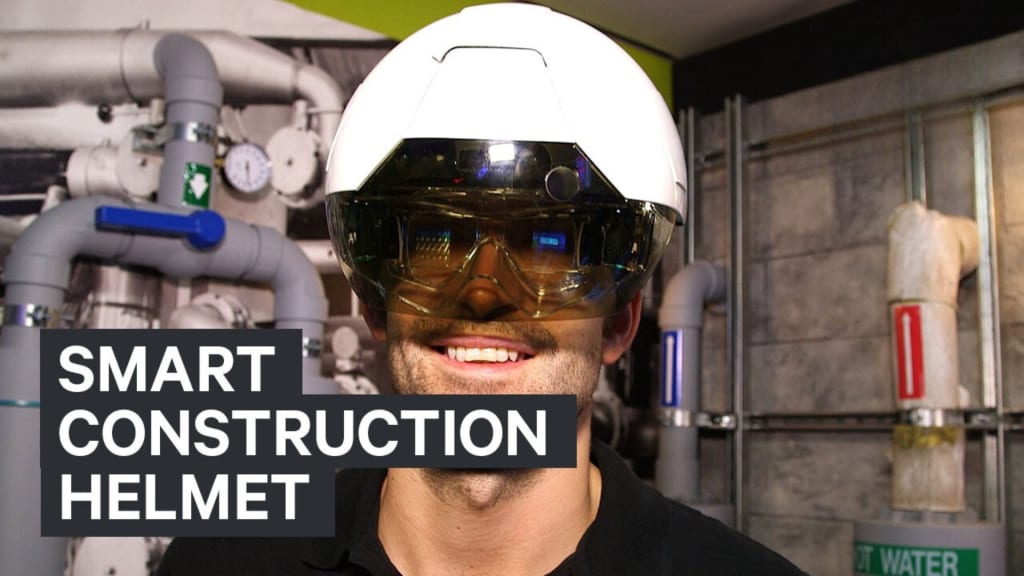
Smart helmets are the cutting-edge evolution of the traditional hard hat, equipped with advanced technology to enhance safety and productivity on construction sites. These helmets integrate features like impact sensors, environmental monitoring, and connectivity tools to provide real-time data to workers and site managers. Imagine having a helmet that not only protects your head but also alerts you to potential hazards, monitors your health, and keeps you connected with your team.
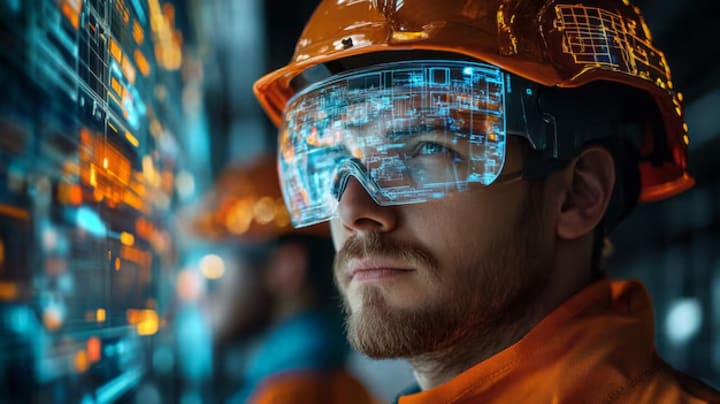
The transition from conventional hard hats to smart helmets marks a significant technological leap. Initially designed to protect workers from falling debris and head injuries, helmets have now become intelligent devices capable of offering much more. Innovations such as augmented reality displays and biometric sensors have turned these helmets into vital tools for modern construction projects, ensuring that workers are better protected and more informed than ever before.
The integration of smart technology into safety equipment is reshaping the construction industry's approach to workplace safety. By utilizing cutting-edge technology, these helmets are setting new standards for safety protocols, making construction sites smarter and safer. For safety experts and technology enthusiasts, smart helmets represent the convergence of innovation and practicality, leading to safer and more efficient construction practices.
Different Types of Construction Smart Helmets
In the realm of smart helmets, variety abounds. Each type offers unique features catering to different aspects of construction safety and efficiency. Let's explore some of the most notable types available today:
Augmented Reality Helmets: These helmets incorporate AR technology, allowing workers to visualize data overlays on their surroundings. AR helmets help workers identify structural elements, provide step-by-step instructions, and even offer virtual walkthroughs of the construction site. This enhances precision and reduces the potential for errors.
Biometric Helmets: Equipped with biometric sensors, these helmets monitor vital signs such as heart rate, temperature, and fatigue levels. Biometric helmets are essential for ensuring the well-being of workers, allowing supervisors to address health issues proactively and prevent accidents caused by exhaustion or heat stress.
Environmental Monitoring Helmets: These helmets are equipped with sensors to detect hazardous gases, noise levels, and environmental conditions. By providing real-time alerts, environmental monitoring helmets help create a safer work environment by enabling workers to take necessary precautions in potentially dangerous situations.
Connectivity Helmets: Connectivity helmets feature communication tools like two-way radios and Bluetooth technology, facilitating seamless interaction between workers and site managers. These helmets enable quick decision-making and coordination, enhancing overall site productivity.
Modern Safety Helmets by Studson: Studson's smart helmets stand out with features like impact sensors and cutting-edge design. Their helmets focus on providing unparalleled protection and comfort, ensuring that workers can perform their tasks with confidence and ease.
With these diverse options available, construction professionals can choose helmets that align with their specific needs, ensuring a safer and more efficient work environment.
Advantages of Using Smart Helmets in Construction
The advantages of integrating smart helmets into construction processes are manifold. These innovations improve safety standards, boost productivity, and revolutionize communication on sites.
Safety Enhancements are paramount with smart helmets. Impact sensors embedded within these helmets can detect collisions or falls, triggering immediate alerts to supervisors. This ensures rapid response to accidents, minimizing injuries and potentially saving lives. Additionally, environmental monitoring capabilities allow workers to be aware of unseen threats like toxic gases or high noise levels, empowering them to take preventative measures.
Beyond safety, Efficiency and Productivity receive a significant boost with smart helmets. With real-time data at their disposal, workers can make informed decisions quickly. Augmented reality features provide visual guidance, reducing the time spent searching for information or instructions. This streamlining of tasks leads to faster project completion, optimized resource allocation, and reduced operational costs.
Smart helmets also Foster Better Communication on construction sites. Connectivity features ensure seamless interaction between workers and site managers, allowing for quick dissemination of instructions and updates. This enhanced communication reduces misunderstandings and improves teamwork, leading to smoother operations and improved project outcomes.
Best Safety Helmets for Construction
When it comes to selecting the best safety helmets for construction, ATI Construction Products offers a wide range of advanced options that prioritize both protection and comfort. Modern safety helmets from ATI are designed with features like lateral impact protection, chin straps for secure fit, and integrated eye protection shields. These helmets go beyond traditional hard hats, offering enhanced coverage for the head and increased comfort during long hours on-site. Built with high-density materials like HDPE (High-Density Polyethylene) and equipped with ventilation systems, they ensure durability and ease of use. For environments requiring extra safety, ATI also provides helmets with integrated hearing protection and face shields, making them versatile for various construction settings.
ATI Construction Products also offers the Studson SHK-1 Safety Helmets, which stand out as a top-tier option for construction professionals. The Studson helmets are designed with superior non-vented impact protection, featuring advanced safety elements like Koroyd technology, which absorbs impact more effectively than traditional materials, ensuring higher levels of safety for workers. These helmets also include integrated chin straps and adjustable fittings, making them ideal for prolonged use in dynamic construction environments.
By investing in these cutting-edge helmets, construction companies can enhance both safety and productivity, setting new benchmarks for the industry.
OSHA Requirements for Safety Helmets
Compliance with OSHA requirements is essential when it comes to selecting safety helmets for construction sites. OSHA mandates that helmets meet specific standards to ensure worker protection and overall site safety.
OSHA Standards for Helmets require that helmets are designed to reduce the risk of head injuries from impact, penetration, and electrical shock. Helmets must be equipped with appropriate suspension systems, chin straps, and shell designs to provide comprehensive coverage and protection.
Compliance Impacts Helmet Choice as organizations must select helmets that align with OSHA regulations to avoid penalties and ensure worker safety. Non-compliance can result in legal issues and jeopardize the well-being of employees. Smart helmets that meet or exceed OSHA standards provide an added layer of confidence, as they incorporate cutting-edge technology without compromising compliance.
Furthermore, adhering to OSHA standards contributes to Enhanced Safety Protocols on construction sites. By choosing helmets that adhere to these guidelines, companies demonstrate their commitment to maintaining a safe and secure working environment for their employees, fostering a culture of safety and accountability.
Future of Smart Helmets Technology in the Construction Industry
The future of smart helmet technology in the construction industry holds exciting possibilities. The integration of artificial intelligence, machine learning, and advanced sensors is expected to revolutionize how construction sites operate.
Artificial Intelligence Integration is set to enhance the capabilities of smart helmets. AI-powered helmets could analyze data collected from sensors to predict potential hazards, guide workers in real-time, and optimize workflows. This proactive approach promises to further reduce risks and increase operational efficiency.
Fully Connected Construction Sites are within reach as smart helmets become part of the Internet of Things (IoT) ecosystem. By connecting helmets to other devices, tools, and infrastructure, construction projects can achieve seamless communication, data sharing, and coordination, resulting in smarter and safer sites.
The Impact of Technological Innovation on the construction industry is undeniable. Smart helmets are just the beginning of a larger trend towards automation, efficiency, and sustainability. By adopting smart construction helmet technology, companies can position themselves as leaders in innovation, gaining a competitive edge in an evolving market.
Conclusion
In the dynamic world of construction, smart helmets are reshaping safety protocols and operational efficiency. By integrating advanced technology, these helmets offer unparalleled protection, enhanced communication, and data-driven insights. Whether you're a construction professional, safety expert, or technology enthusiast, the benefits of smart helmets are undeniable.
The evolution from traditional hard hats to smart helmets marks a pivotal moment in the construction industry. These innovations not only ensure worker safety but also pave the way for smarter, more connected construction sites. By investing in the best safety helmet for construction, you contribute to a future where technology and safety go hand in hand.
For those looking to explore more about smart helmets or to acquire the best safety helmet for construction, consider reaching out to industry experts or exploring reputable brands like ATI Construction Products. By staying informed and proactive, you can ensure a safer and more efficient construction experience.
About the Creator
Sean Williams
ATI Construction Products offers its innovative products to a diverse range of industries and markets. These products are designed to be more efficient and safer than the conventional products currently in use.
Keep reading
More stories from Sean Williams and writers in Futurism and other communities.
Head Protection in Construction: Hard Hats vs Safety Helmets
In the construction industry, head injuries can have significant implications. Therefore, the provision of adequate head protection is of utmost importance. Given the availability of both conventional hard hats and advanced safety helmets, selecting the appropriate option is critical. This insightful blog offers a comprehensive examination of the contrasting aspects of these two options, with the ultimate aim of assisting in the protection of your most precious asset – your workforce.
By Sean Williams2 years ago in FYI
Australia Pro AV Market: Hybrid Work Demand, Digital Signage & Smart AV Technologies
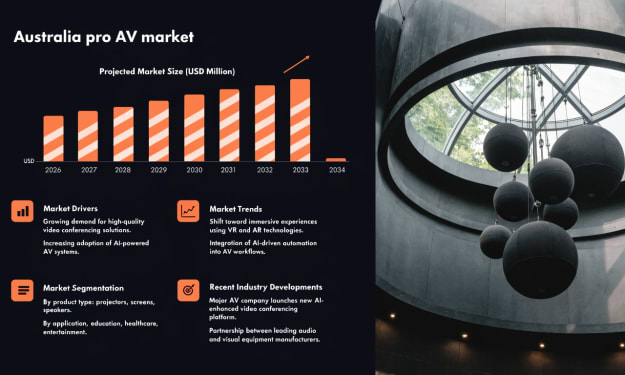
According to IMARC Group, the Australia pro AV market reached a value of USD 93.9 Million in 2025 and is projected to reach USD 133.6 Million by 2034, growing at a compound annual growth rate (CAGR) of 3.88% during 2026–2034. The market is expanding as organizations increasingly adopt advanced audiovisual solutions to support communication, collaboration and digital engagement. Hybrid work environments are encouraging businesses to invest in video conferencing systems, smart displays and integrated collaboration platforms that connect remote and in-office teams. At the same time, industries such as retail, hospitality and tourism are investing in digital signage to improve customer engagement and brand communication. As companies focus on creating interactive and technology-driven environments, professional AV solutions are becoming essential tools for modern workplaces, entertainment venues and commercial spaces across Australia.
By Kevin Cooper6 days ago in Futurism
WhatsApp Business API: A Complete Guide to Business Messaging in 2026
Over the past decade, the way businesses communicate with customers has changed dramatically. Traditional channels such as email and phone support are still widely used, but instant messaging has become one of the most preferred ways for people to interact with brands. Customers increasingly expect quick responses, convenient updates, and support that feels personal rather than formal.
By Olivia Carter2 days ago in Futurism



Comments
There are no comments for this story
Be the first to respond and start the conversation.