
"The Role of Artificial Intelligence in Smart HR Management"
Enhance Your AI Driven HR Management with uKnowva HRMS
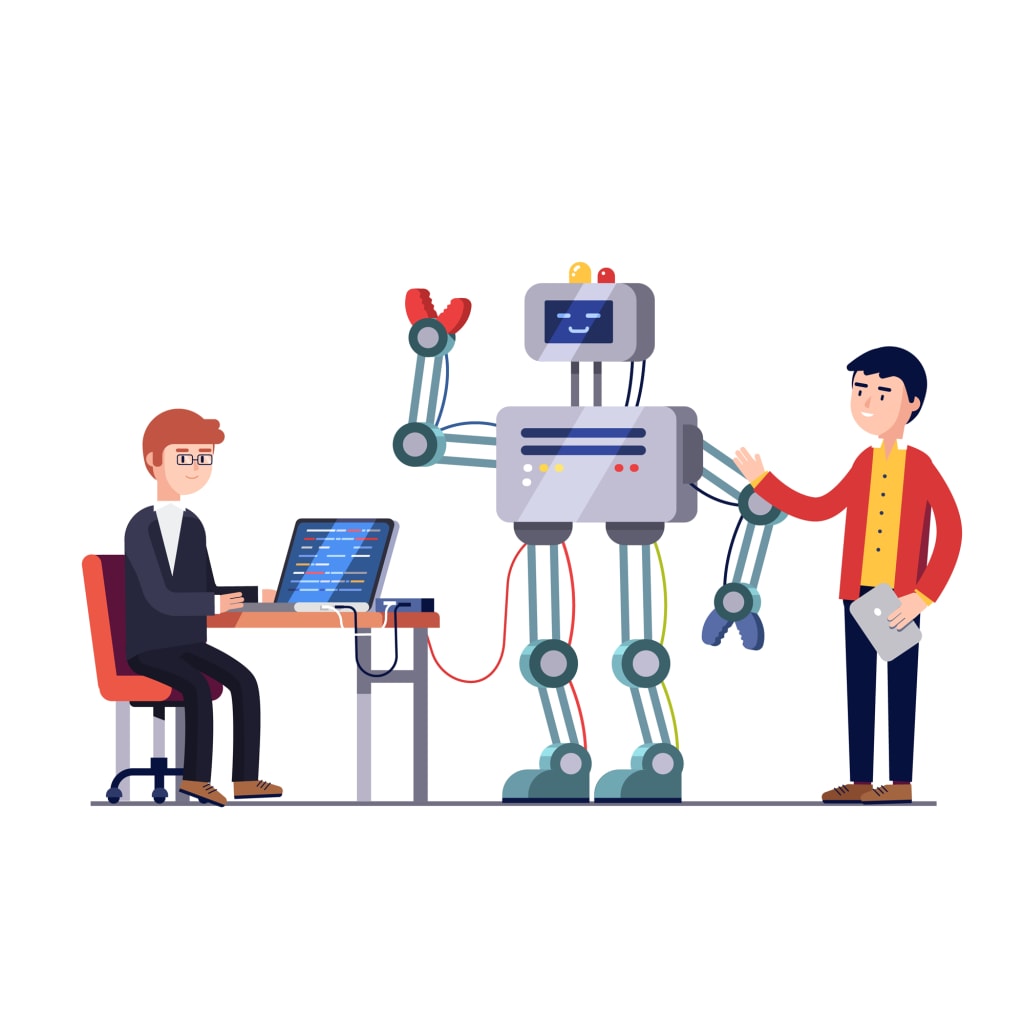
Artificial Intelligence (AI) has become a game-changer in many industries, including Human Resource Management (HRM). By leveraging AI, HR departments can not only streamline their processes but also make more informed and strategic decisions. Below, we delve deeper into how AI is shaping smart HR management, transforming the way organizations manage their workforce, and enhancing both employee and organizational outcomes.
1. Revolutionizing Recruitment and Talent Acquisition
Recruitment has traditionally been a time-consuming and resource-intensive process. AI is significantly altering this landscape by automating various stages of the hiring process:
Resume Screening: AI-powered systems can quickly scan and analyze thousands of resumes, identifying candidates with the most relevant skills and qualifications. This speeds up the initial screening process, allowing recruiters to focus their attention on the best matches.
Candidate Matching: Using natural language processing and machine learning algorithms, AI tools can match candidates to job descriptions with a high degree of accuracy. This ensures that recruiters are presented with the most suitable candidates, reducing the risk of overlooking potential hires.
Predictive Analytics in Hiring: AI can predict a candidate’s potential performance and fit within the company culture by analyzing data from previous hiring successes and failures. This allows for more informed hiring decisions and can lead to higher employee retention rates.
Automated Interview Scheduling: AI-driven tools can handle the logistics of interview scheduling, reducing back-and-forth communication and minimizing the time between application and interview. This improves the candidate experience and increases the likelihood of securing top talent.
2. Enhancing Employee Onboarding
The onboarding process is crucial for setting new employees up for success. AI enhances this process by providing personalized and scalable solutions:
Interactive Chatbots: AI chatbots can guide new hires through the onboarding process, providing information about company policies, benefits, and organizational structure. They can also answer frequently asked questions, ensuring new employees feel supported and informed.
Customized Onboarding Programs: AI can create tailored onboarding programs that align with an individual’s role and experience level. This helps new employees integrate more quickly and effectively, leading to higher productivity and job satisfaction.
3. Transforming Performance Management
Performance management is a critical aspect of HRM, and AI provides new ways to enhance how employee performance is tracked, evaluated, and developed:
Continuous Feedback: AI systems can provide real-time feedback to employees based on performance data. This allows employees to understand their strengths and areas for improvement without waiting for annual reviews.
Objective Performance Reviews: By analyzing data from multiple sources, such as project outcomes, peer reviews, and customer feedback, AI can provide a more comprehensive and unbiased assessment of an employee’s performance. This reduces bias and ensures fair evaluations.
Personalized Development Plans: AI can identify skill gaps and recommend training or development programs tailored to individual employees. This not only enhances employee skills but also aligns personal development with organizational goals.
4. Boosting Employee Engagement and Retention
Employee engagement is a key factor in job satisfaction and retention. AI tools help organizations understand and improve engagement levels:
Sentiment Analysis: AI can analyze employee feedback from surveys, emails, and social media to gauge sentiment and identify areas of concern. This enables HR to proactively address issues before they escalate.
Predictive Retention Models: AI can predict which employees are at risk of leaving by analyzing factors such as job satisfaction, engagement levels, and career progression. This allows HR to take preventive measures, such as offering new opportunities or addressing concerns.
Personalized Employee Experience: By understanding employee preferences and behavior, AI can help create a more personalized work environment. This includes personalized career paths, benefits, and work-life balance options, all of which contribute to higher employee satisfaction.
5. Optimizing Learning and Development
Continuous learning is essential for both employee and organizational growth. AI optimizes learning and development initiatives by making them more effective and tailored to individual needs:
Adaptive Learning Platforms: AI-powered platforms can adapt content based on an employee’s progress, learning style, and areas of interest. This ensures that employees receive the most relevant and engaging learning experiences.
Skill Gap Analysis: AI can identify skills gaps within the organization and recommend training programs to address these gaps. This helps in building a skilled workforce that is prepared to meet future challenges.
Gamified Learning: AI can incorporate gamification into learning programs, making them more interactive and motivating. This enhances employee engagement and increases the effectiveness of training initiatives.
6. Streamlining Administrative Tasks
Administrative tasks can consume a significant amount of HR’s time. AI automates these tasks, allowing HR professionals to focus on more strategic initiatives:
Payroll and Benefits Management: AI can automate payroll processing, benefits administration, and compliance reporting, reducing the likelihood of errors and ensuring timely processing.
Attendance and Leave Management: AI can track employee attendance and manage leave requests, ensuring compliance with company policies and labor laws. This provides employees with a seamless experience while maintaining accurate records.
Virtual HR Assistants: AI-driven virtual assistants can handle routine HR queries, such as policy clarifications and benefit information. This reduces the workload on HR staff and ensures that employees receive prompt responses.
7. Leveraging Predictive Analytics for Workforce Planning
Effective workforce planning is crucial for long-term organizational success. AI provides predictive analytics capabilities that help HR make informed decisions:
Forecasting Workforce Needs: AI can analyze trends and predict future workforce needs based on factors such as business growth, market conditions, and employee turnover rates. This helps organizations plan for hiring, training, and succession planning.
Talent Mobility and Succession Planning: AI can identify high-potential employees and recommend career paths and development opportunities. This ensures that the organization has a pipeline of talent ready to fill critical roles, reducing the impact of turnover.
Resource Allocation: AI can help in optimizing resource allocation by analyzing project demands and employee skills. This ensures that the right people are working on the right projects, maximizing productivity and efficiency.
Conclusion
AI is playing an increasingly pivotal role in smart HR management by automating routine tasks, providing deep insights into employee behavior and performance, and enabling more personalized and effective HR strategies. By embracing AI, organizations can improve efficiency, make data-driven decisions, and create a more engaging and productive work environment. As AI technology continues to advance, its impact on HRM will only grow, paving the way for more innovative and strategic approaches to managing human capital. The future of HR lies in the seamless integration of AI, where technology and human insight work together to drive organizational success.
About the Creator
Keep reading
More stories from Aditi Sharma and writers in Futurism and other communities.
Data Privacy in the Workplace: HR Policies to Protect Employee Information
In today’s digital age, data privacy has become a critical concern for organizations. With increasing amounts of employee data being collected and stored, protecting this information is essential to maintain trust, comply with regulations, and prevent security breaches. Human Resources (HR) departments play a pivotal role in ensuring that employee data is handled responsibly and securely.
By Aditi Sharmaabout a year ago in Futurism
About Binding Prometheus
I want to start actively advocating on behalf of my own work, and the most valuable part of my canon is, without a doubt, Binding Prometheus, the play I have been working on since 2019 and only finished in 2023 as part of my MA. The play itself is an amalgamation of a million different inspirations. On one end, it evokes the Ancient Greek myth-play, deriving its own title from the earliest extant work of Western drama we have, Aeschylus’s Prometheus Bound. On the other end, it borrows significantly from the sci-fi bulwarks from over the years, namely Mary Shelley’s Frankenstein and Karel Capek’s Rossum’s Universal Robots. The play could be an episode of Black Mirror, I fear. I don’t know. I’ve only ever seen one episode of Black Mirror.
By Steven Christopher McKnight19 days ago in Futurism
Massage Equipment Market: Ergonomic Innovation, Wellness Demand & Market Momentum
According to IMARC Group's latest research publication, The global massage equipment market size reached USD 8.1 Billion in 2024. Looking forward, IMARC Group expects the market to reach USD 16.3 Billion by 2033, exhibiting a growth rate (CAGR) of 8.08% during 2025-2033.
By James Whitman7 days ago in Futurism
Wild Card Weekend Recap: What Happens Now?
I think I figured out why I love Wild Card Weekend so much. It's because it's the first playoff anything of the calendar year. The NFL season starts in the fall, and once upon a time, the champion was crowned either on or slightly before New Year's. The evolution of the NFL schedule has resulted in the playoffs starting just into the New Year, and currently, the final week of the season falls on the first weekend of the New Year, with Wild Card Weekend coming a week after that. So yes, chronologically, the NFL's Wild Card Weekend serves as the first playoff anything of the calendar year.
By Clyde E. Dawkins7 days ago in Unbalanced



Comments
There are no comments for this story
Be the first to respond and start the conversation.