
The role of AI and automation in entrepreneurship
how Automation is Transforming Business.

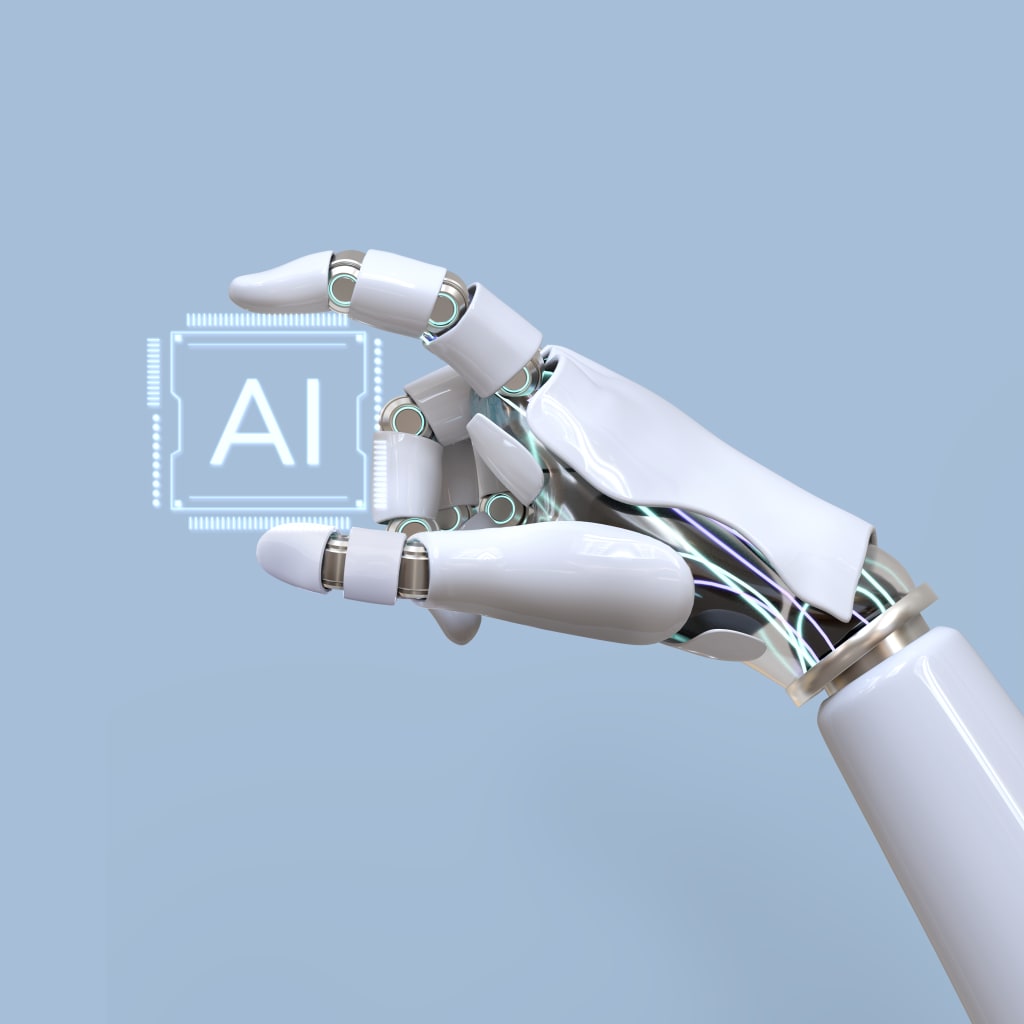
Artificial intelligence (AI) and automation are transforming the way we do business. From streamlining operations to improving customer experiences, these technologies are helping entrepreneurs stay competitive in an ever-changing landscape. In this post, we'll explore the advantages, challenges, and future of AI and automation in entrepreneurship.
Before we dive in, let's define what we mean by AI and automation. AI refers to the development of computer systems that can perform tasks that typically require human intelligence, such as visual perception, speech recognition, and decision-making. Automation, on the other hand, involves using technology to automate repetitive or mundane tasks, such as data entry or inventory management.
The use of AI and automation in entrepreneurship has become increasingly important in recent years. By adopting these technologies, entrepreneurs can gain a competitive edge by improving efficiency, reducing costs, and enhancing the overall customer experience.
Advantages of AI and Automation in Entrepreneurship
"Unlocking the full potential of AI and automation in entrepreneurship - streamlining processes, boosting efficiency, and driving business success."
One of the most significant advantages of AI and automation in entrepreneurship is increased efficiency. By automating repetitive tasks, such as data entry or inventory management, entrepreneurs can free up time and resources to focus on more strategic initiatives. This can lead to increased productivity and faster time-to-market for new products or services.
Another advantage of AI and automation in entrepreneurship is cost reduction. By automating tasks that were previously done manually, entrepreneurs can save on labor costs and reduce the likelihood of human error. Additionally, AI can help optimize processes and identify areas for cost savings, such as by predicting maintenance needs for equipment or optimizing supply chain logistics.
AI and automation can also improve decision-making in entrepreneurship. By analyzing large amounts of data and identifying patterns, entrepreneurs can make more informed decisions about their business strategy. For example, predictive analytics can help identify trends in consumer behavior and inform marketing campaigns or product development.
Finally, AI and automation can enhance the customer experience. Chatbots and virtual assistants can provide instant support to customers, answering frequently asked questions or providing guidance on product usage. Additionally, personalized recommendations and targeted advertising can help entrepreneurs better engage with their customers and build brand loyalty.
Challenges of AI and Automation in Entrepreneurship
"Overcoming the challenges of AI and automation in entrepreneurship - navigating the impact on the workforce, ethical considerations, and more."
While there are many advantages to AI and automation in entrepreneurship, there are also several challenges that entrepreneurs must be aware of. One of the biggest challenges is resistance to change. Some employees may be hesitant to adopt new technologies, fearing job displacement or a lack of control over their work processes. Entrepreneurs must be prepared to address these concerns and provide training and support to help employees transition to new technologies.
Another challenge of AI and automation in entrepreneurship is job displacement. As more tasks become automated, there may be fewer jobs available for humans. Entrepreneurs must be aware of the potential impact on their workforce and consider strategies for retraining or redeploying employees to other areas of the business. Additionally, entrepreneurs should consider the ethical implications of AI and automation, including potential biases in algorithms or the impact on privacy and security.
Examples of AI and Automation in Entrepreneurship
"Revolutionizing entrepreneurship through AI and automation - exploring innovative examples and their impact on the business landscape."
There are many examples of AI and automation in entrepreneurship, each with their own unique benefits and challenges. Chatbots and virtual assistants are becoming increasingly common in customer service, providing instant support to customers and reducing the workload on human employees. Predictive analytics can help entrepreneurs make data-driven decisions, such as identifying which products are likely to sell well or which marketing campaigns will be most effective.
Robotic process automation (RPA) is another example of AI and automation in entrepreneurship. RPA involves automating routine tasks that were previously done by humans, such as data entry or invoice processing. This can save time and reduce the likelihood of human error, while freeing up employees to focus on more strategic initiatives.
Autonomous vehicles are also an emerging area of AI and automation in entrepreneurship. For example, delivery companies are exploring the use of drones or self-driving vehicles to make deliveries more efficiently and cost-effectively. However, this also raises concerns around job displacement and the impact on road safety.
The Future of AI and Automation in Entrepreneurship
"Shaping the future of entrepreneurship with AI and automation - embracing new opportunities and addressing emerging challenges."
As AI and automation continue to evolve, entrepreneurs must be prepared to adapt and innovate. The growth opportunities for businesses are significant, particularly in areas such as personalized marketing and predictive maintenance. Additionally, the integration of AI with other emerging technologies, such as blockchain and the Internet of Things (IoT), has the potential to transform entire industries.
However, entrepreneurs must also be aware of the ethical implications of AI and automation. As these technologies become more sophisticated, it's important to consider issues such as algorithmic bias, privacy, and security. Additionally, entrepreneurs must be prepared to address concerns around job displacement and the impact on the workforce.
In conclusion, AI and automation are playing an increasingly important role in entrepreneurship. By leveraging these technologies, entrepreneurs can improve efficiency, reduce costs, and enhance the customer experience. However, there are also challenges to be aware of, including resistance to change, job displacement, and ethical considerations. As we look to the future, it's clear that AI and automation will continue to shape the way we do business, and entrepreneurs must be prepared to adapt and innovate in order to stay competitive.
"Embracing the power of AI and automation in entrepreneurship - paving the way for innovation and growth."
About the Creator
Mugunthan
Welcome all,
A versatile content writer with a passion for storytelling, creating engaging, informative, memorable content and a commitment to excellence.
About Binding Prometheus
I want to start actively advocating on behalf of my own work, and the most valuable part of my canon is, without a doubt, Binding Prometheus, the play I have been working on since 2019 and only finished in 2023 as part of my MA. The play itself is an amalgamation of a million different inspirations. On one end, it evokes the Ancient Greek myth-play, deriving its own title from the earliest extant work of Western drama we have, Aeschylus’s Prometheus Bound. On the other end, it borrows significantly from the sci-fi bulwarks from over the years, namely Mary Shelley’s Frankenstein and Karel Capek’s Rossum’s Universal Robots. The play could be an episode of Black Mirror, I fear. I don’t know. I’ve only ever seen one episode of Black Mirror.
By Steven Christopher McKnight18 days ago in Futurism
Saudi Arabia Diesel Genset Market: Power Reliability, Infrastructure Expansion, Backup Energy Demand & Vision 2030 Impact
According to IMARC Group's latest research publication, Saudi Arabia diesel genset market size reached USD 279.41 Million in 2025. The market is projected to reach USD 516.11 Million by 2034, exhibiting a growth rate of 7.06% during 2026-2034.
By Jeffrey Wilson7 days ago in Futurism



Comments
There are no comments for this story
Be the first to respond and start the conversation.