
The Power of AI in Everyday Life
How It’s Transforming the World

Introduction
Artificial intelligence (AI) may sound like a futuristic concept, but it has quietly become an integral part of our daily lives. Whether interacting with virtual assistants, receiving personalized recommendations, or benefiting from healthcare advancements, AI is shaping the way we live, work, and communicate. It’s no longer just a technological advancement confined to labs—it’s embedded in the fabric of our modern existence. From transforming industries to making our everyday experiences smoother and more efficient, AI is revolutionizing the world in ways many of us may not even notice. In this article, we’ll explore the many ways AI is influencing our daily routines and reshaping our future.
AI in Healthcare: Personalized and Efficient Care
Healthcare is one of the most transformative fields where AI has made a significant impact. Gone are the days when diagnoses were solely dependent on a physician’s knowledge. Today, AI-powered algorithms can detect diseases such as cancer, often with greater accuracy than human doctors. AI in medical imaging helps radiologists identify patterns that might be missed, ensuring early detection and better treatment outcomes. Machine learning models analyze vast amounts of data quickly, identifying subtle trends that would take humans far longer to spot.
Virtual health assistants powered by AI are also becoming mainstream, providing 24/7 medical advice, helping people manage chronic conditions, monitor vital signs, and offer personalized care plans. These AI systems can triage patients, answer basic questions, and assist in routine tasks, freeing up healthcare professionals for more complex cases. This leads to reduced waiting times, more personalized care, and overall improved efficiency in healthcare systems.
Looking forward, AI has the potential to predict disease outbreaks, assist in drug discovery, and even perform surgeries with remarkable precision. The future of healthcare is undoubtedly intertwined with the continued growth of AI technologies.
Smart Homes: Making Daily Life Easier and Greener
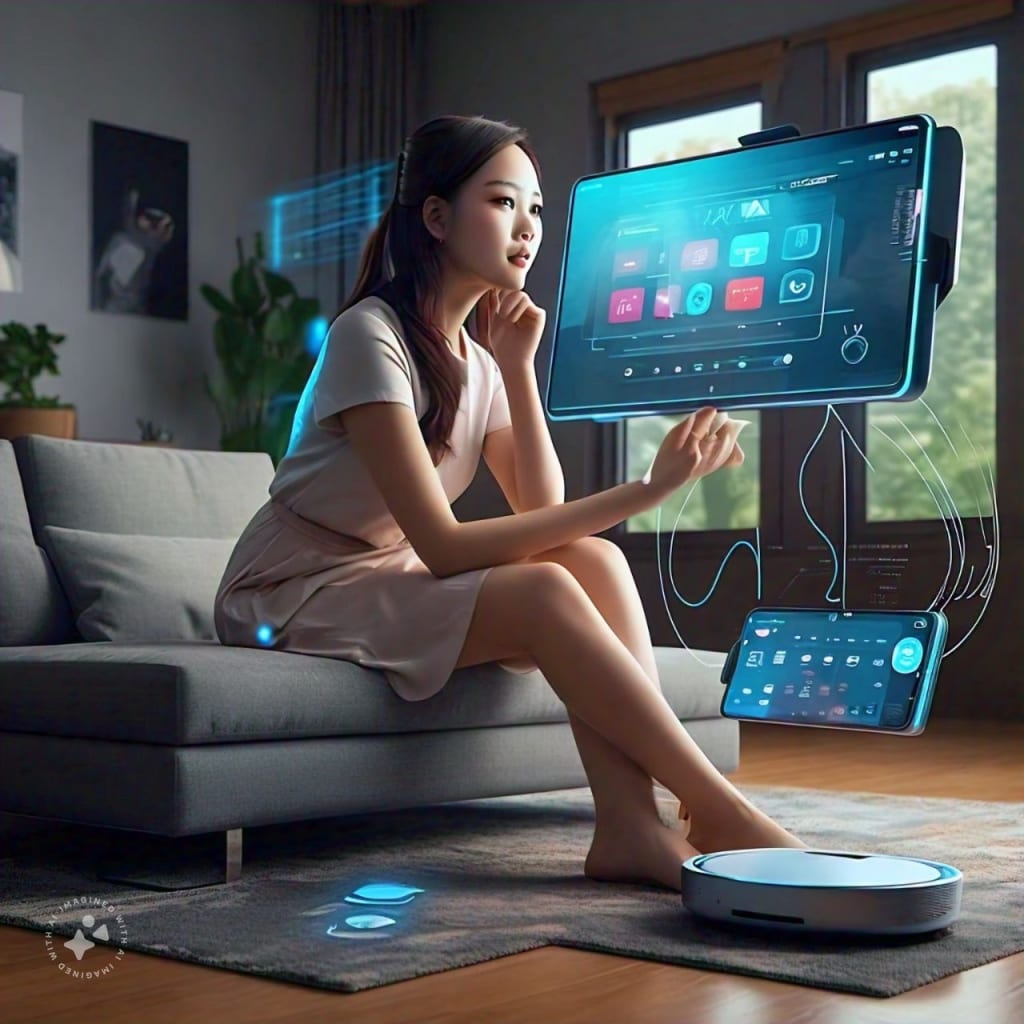
The concept of smart homes is no longer a luxury reserved for the wealthy. With the advancement of AI, smart assistants like Amazon’s Alexa, Apple’s Siri, and Google Assistant have become household staples, helping people manage their daily tasks more efficiently. These assistants can set reminders, control smart home devices, provide weather updates, and even suggest personalized recommendations based on user habits.
AI also plays a crucial role in energy efficiency. Smart thermostats like Nest and lighting systems adjust to user preferences, learning patterns to optimize energy consumption. These systems can lower the temperature when you’re away, turn off unnecessary lights, and ensure the home is at an optimal temperature when you return. This not only adds convenience but also reduces energy bills and carbon footprints.
In addition to energy efficiency, AI enhances home security. Smart cameras and doorbells, such as those by Ring, can recognize familiar faces, detect unusual activity, and send real-time alerts, making homes safer and more secure.
AI in Social Media and Communication
AI is the unseen hand behind most of the content we consume on social media. From the posts you see on Facebook to the videos recommended on YouTube and TikTok, AI algorithms analyze user behavior to curate personalized content feeds. Machine learning models are constantly analyzing data from millions of users to predict what kind of content will keep individuals engaged, tailoring the online experience to individual preferences. The more you engage with certain types of content, the better these algorithms become at predicting what you’ll like next.
But AI’s role in communication doesn’t end with social media curation. Tools like Google Translate and AI-powered transcription services have revolutionized communication across languages and mediums. Real-time translation has never been faster or more accurate, enabling global collaboration in business, education, and even casual conversations across language barriers.
AI can also improve content moderation, helping to detect hate speech, misinformation, and inappropriate content, making online spaces safer for users. As AI continues to evolve, its role in refining online communication and social interactions will only grow stronger.
AI in Retail: Personalized Shopping Experiences
AI has dramatically reshaped the retail experience, both online and in physical stores. When shopping online, platforms like Amazon and Netflix use AI to recommend products or shows based on past behavior. These recommendation engines use complex algorithms that analyze user data—what you search for, what you buy, what you rate—to predict what you might want next. The more you use these platforms, the smarter the recommendations become, tailoring your shopping experience to feel more personalized.
Retailers have also introduced innovations such as virtual try-ons, where customers can see how clothes, glasses, or even makeup will look on them without needing to visit a physical store. This is made possible by AI-driven augmented reality (AR) technology. Additionally, AI-powered chatbots now assist customers with questions in real time, ensuring quicker, more efficient customer service.
Retailers also benefit greatly from AI’s ability to analyze consumer data and optimize inventory management. With AI, businesses can forecast demand more accurately, minimize overstock or stockouts, and ultimately enhance the overall shopping experience for consumers.
Conclusion: The Future of AI in Everyday Life
AI is no longer a distant dream—it’s a fundamental force in shaping our present and future. From healthcare innovations and smart home conveniences to personalized retail experiences and social media interactions, AI is enhancing nearly every aspect of modern life. Its presence is subtle, yet its impact is profound. However, as AI continues to evolve, we must address the ethical concerns it raises, including data privacy, job displacement, and bias in decision-making.
As we look to the future, it’s clear that AI will continue to influence how we live and interact with the world around us. The relationship between humans and AI will grow more intertwined, offering new opportunities and challenges. One thing is certain: AI is here to stay, and its influence on everyday life is only just beginning.
About the Creator
Keep reading
More stories from writers in Futurism and other communities.
Saudi Arabia Ride Hailing Market: Urban Mobility Demand & Platform Growth
According to IMARC Group's latest research publication, Saudi Arabia ride hailing market size reached USD 1.9 Billion in 2025. The market is projected to reach USD 5.6 Billion by 2034, exhibiting a growth rate of 13.03% during 2026-2034.
By Faisal Al-Harbi3 days ago in Futurism




Comments
There are no comments for this story
Be the first to respond and start the conversation.