
The Night I Let the Machines Work — And Finally Felt Human Again
How one quiet evening with AI changed the rhythm of my life.

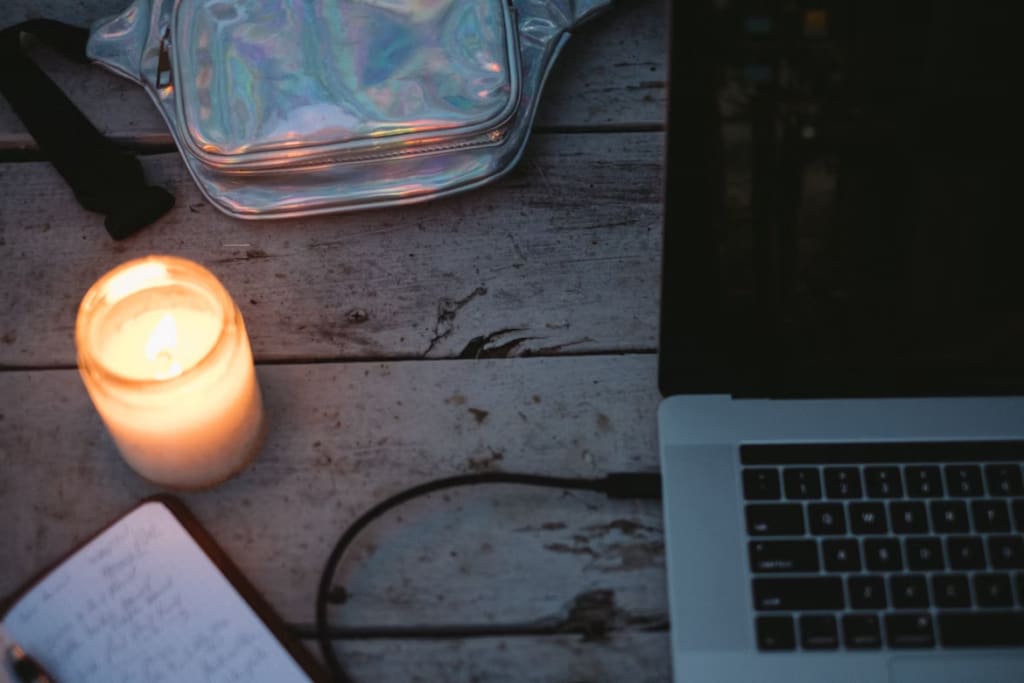
The city outside my window was already asleep, but my screen wasn’t.
Lines of code glowed against the dark—cold, perfect, endless.
I used to find comfort in that glow. It meant I was useful, productive, in control.
But lately, it only reminded me how long I’d been running on autopilot—not my tools, me.
There was a time when I believed that staying busy was proof of purpose.
If I could keep the tasks flowing, maybe I wouldn’t have to face the emptiness that came when things got quiet.
So I built systems to keep me moving: reminders, dashboards, notifications, performance trackers.
They all worked beautifully.
And still, I was exhausted.
The Moment I Broke My Own Cycle
I built automations for everything—reports, data updates, reminders, even time to rest.
Ironically, I never used that last one.
My life had become a loop of efficiency—optimized but empty.
Each workflow saved time, but I kept spending that saved time working more.
One night, after another twelve-hour day, I stared at my reflection on the screen.
The face looking back wasn’t tired from work—it was tired from never stopping.
So I did something I hadn’t done in months: I hit Pause.
No grand plan. No productivity hack. Just a quiet decision to stop.
I told myself it was only for one evening, but deep down, I knew something was about to change.
The Sound of a Pause
At first, it felt wrong—like silence had weight.
No notifications. No graphs updating. No red dots demanding attention.
Just the quiet hum of automation taking over, doing what I had programmed it to do.
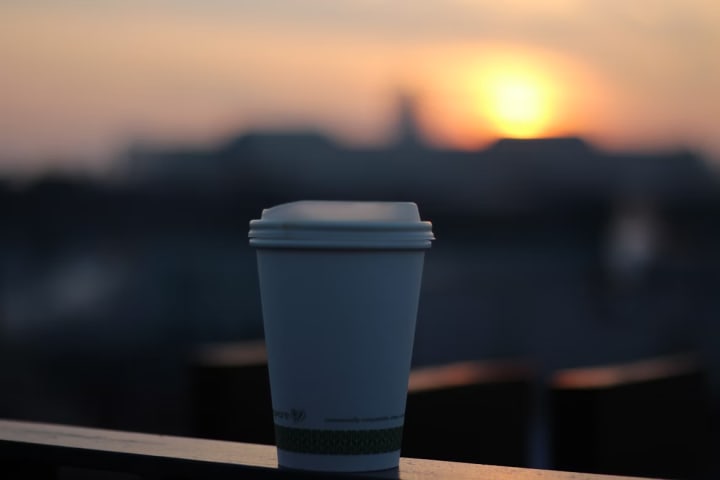
And for the first time, I didn’t interfere.
I stepped outside with a cup of coffee I didn’t reheat three times.
The air was colder than I remembered. The sky darker, quieter.
I could almost hear the city breathing.
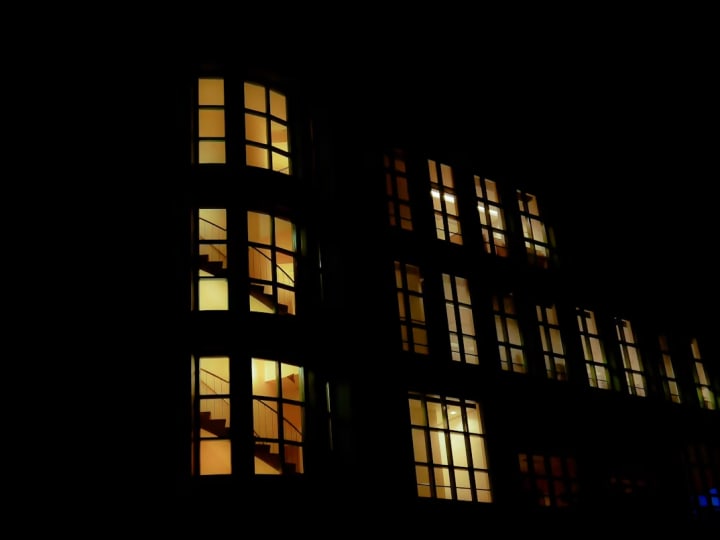
I stood there for a long time, watching the lights flicker in other apartments, wondering if someone else was learning to stop too.
It was strange—realizing that machines were finally doing what I never allowed myself to do:
take a breath.
What the Code Taught Me
People think smart systems give us power.
But that night, I realized they gave me something rarer: permission.
Permission to trust the process.
Permission to rest without guilt.
Permission to remember that progress doesn’t always mean movement.
Automation didn’t replace my effort—it reframed it.
It reminded me that the goal was never to do more, but to need less to feel complete.
I used to chase productivity like oxygen, terrified that stopping meant falling behind.
But productivity, I learned, is more like caffeine—helpful in small doses, exhausting in excess.
That evening, I understood that balance isn’t found in doing everything right.
It’s found in knowing when to stop trying so hard.
What Balance Feels Like Now
These days, my evenings look different.
The laptop still runs—but I don’t.
My systems handle the noise, while I handle the quiet.
I read. I cook. I walk my dog.
Sometimes, I just sit in the living room and listen to nothing at all.
The first few times, it felt unnatural—like I was wasting time.
But then, the stillness started to feel sacred.
It’s where my thoughts stretch out again, where creativity sneaks back in.
Automation didn’t make me lazy—it made me human again.
It gave me space to think, to notice, to live.
When people talk about AI, they often fear replacement.
But what I found was restoration.
It didn’t take my purpose—it gave me room to remember it.
The Subtle Art of Letting Go
Trusting automation isn’t about surrendering control—it’s about shifting what control means.
I don’t need to micromanage every click, every update, every alert.
Now, I trust that the systems I built will handle their rhythm, while I find mine.
There’s a quiet beauty in watching a process unfold without your constant supervision.
It’s humbling—and freeing—to realize that your worth isn’t tied to how busy you appear.
Sometimes, I still feel the pull to jump back into overdrive.
Old habits don’t vanish overnight.
But when that urge comes, I remind myself: the world doesn’t reward burnout—it remembers balance.
Reflection
I used to think automation would make us less human.
But maybe, for the first time, it’s showing us what being human really feels like.
To rest without guilt.
To trust without fear.
To breathe without rushing to the next task.
The systems work.
And I finally, quietly, live.
Epilogue — The Quiet Reward
I didn’t expect that letting go would change me more than any script I ever wrote.
Now, every quiet evening feels like a reminder that life isn’t built from dashboards or deadlines—it’s built from moments that don’t need optimization.
The balance I was searching for was never in the system; it was in my ability to step away from it.
That’s the paradox of progress: we invent tools to free ourselves, and then we must learn to use that freedom well.
When I look back at that night, I don’t remember the automations running or the data syncing.
I remember the coffee cooling in my hands, the quiet hum of machines doing their job, and the feeling of peace returning, one line of code at a time.
Written and personally edited by Erick G.—a reflection on how technology can help us slow down, not speed up.
I share stories about digital calm, balance, and the human side of innovation.
About the Creator
Erick Galaviz
✍️ Writer exploring the calm side of technology.
I write about AI, automation, and the art of slowing down — stories that blend reflection, balance, and the human touch behind productivity. 🌙
Keep reading
More stories from Erick Galaviz and writers in Futurism and other communities.
Silicone Coating Market: Sustainable Coating Materials, Low-VOC Formulations & Growth Outlook
According to IMARC Group's latest research publication, global silicone coating market size reached USD 6.9 Billion in 2024. Looking forward, IMARC Group expects the market to reach USD 10.1 Billion by 2033, exhibiting a growth rate (CAGR) of 3.99% during 2025-2033.
By sujeet. imarcgroup3 days ago in Futurism
The Ink Isn’t Dry on the iPhone 17e, and the 18e is Already “Finalized”
The Exhausting Speed of "New" It’s early March 2026, and if you’re reading this on a brand-new iPhone 17e, I have some unsettling news: your tech is already haunted by the ghost of its successor. We’ve reached a point where the "new" doesn't even have time to gather dust before the "next" starts taking up rent in our collective consciousness. It’s an exhausting, hyper-accelerated loop that keeps us perpetually looking past the glass in our hands toward a horizon that never actually arrives.
By Tech Horizons5 days ago in Futurism


Comments (2)
Hey, My elder sister used to read them to me, and as I grew up, my love for stories only got stronger. I started with books, and now I enjoy reading on different writing platforms. Today, I came here just to read some stories, and that’s when I found your writing. From the very first lines, it caught my attention the more I read, the more I fell in love with your words. So I just had to appreciate you for this beautiful work. I’m really excited to hear your reply!
This line hit deeply — “letting the machines work so I could feel human again.” It captures the paradox of our time perfectly. Sometimes the smartest thing we can do is step aside and let technology give us space to breathe.