
The Impact of Jobless and Useless Words on Psychological Well-Being in Your Twenties PART-1
The Role of AI in Mitigating the Impact of Negative Labels in Your Twenties


In our 20s a decade often marked by transition and self-discovery, the words we use and hear can have profound effects on psychological well-being. These words come from ourselves or others. They shape our identity self-esteem and overall mental health. In this article, we’ll explore how "jobless" and "useless" words can influence psychological well-being during this formative period. We will suggest ways to mitigate negative impacts.
Understanding the Power of Words
Words are more than vehicles for communication. They are powerful tools that can influence our thoughts feelings and behaviors. This is particularly crucial during 20s—a time when we are exploring our place in the world. We are building careers and forming significant relationships. The labels and judgments we encounter can either support or undermine psychological resilience.
The Impact of "Jobless" Words
1. Self-Worth and Identity
In society that often equates personal value with professional success being labeled as "jobless" can be deeply disheartening. The term may evoke feelings of inadequacy. It can evoke feelings of failure, especially when coupled with societal expectations to be productive and self-sufficient. This can erode self-esteem. It can also lead to a diminished sense of self-worth.
2. Social Pressure and Anxiety
The pressure to have stable job can be overwhelming. In your 20s many are still finding their career path. Being labeled as "jobless" can intensify feelings of anxiety. This situation causes stress. It can lead to negative cycle. The fear of judgment paralyzes progress. This makes it harder to take proactive steps towards career development
3. Internalizing Negative Labels
Repeated exposure to label "jobless" can lead to internalizing this negative self-perception. Internalization can become a self-fulfilling prophecy. The belief in one's own inadequacy hampers motivation and confidence. This ultimately makes it more challenging to secure employment or pursue personal goals
The Impact of "Useless" Words
1. Self-Efficacy and Motivation
Being labeled "useless" can severely impact one's sense of self-efficacy. The belief in one's ability to achieve goals is crucial. In your 20s individuals are establishing their personal and professional identities. Hearing or internalizing such derogatory terms can diminish motivation. This can hinder efforts to improve oneself or take on new challenges.
2. Relationship Dynamics
Words like "useless" can also strain relationships with peers family and mentors. If individuals perceive themselves or others as useless it can create barriers to meaningful connections and support systems. These connections are crucial for navigating the complexities of early adulthood.
3. Emotional Well-Being
Consistently encountering or using "useless" words can contribute to feelings of depression anxiety and low self-esteem. The emotional toll of these negative labels can affect overall well-being. It impacts quality of life. This makes it harder to cope with everyday challenges. It also hinders the pursuit of personal growth.
Artificial Intelligence (AI) has increasingly become part of our daily lives. Its applications extend beyond mere convenience. They reach areas crucial for mental well-being. In the context of dealing with negative labels such as "jobless" and "useless" AI can offer substantial support. This article explores how AI can help mitigate psychological impacts of these labels. It aims to promote healthier mindset during the challenging decade of your twenties
AI-Powered Tools for Emotional Support
1. Personalized Mental Health Apps
AI-driven mental health apps such as those offering mood tracking, guided meditation and cognitive-behavioral therapy (CBT) techniques can provide immediate support and coping strategies. These apps analyze user data to offer personalized insights. They also provide exercises helping users manage stress, anxiety and negative self-talk more effectively
2. Chatbots for Immediate Assistance
AI chatbots like those integrated into mental health platforms provide immediate accessible support. These chatbots can offer emotional support and guidance. They also provide resources for dealing with feelings of inadequacy or low self-worth. By engaging in conversations with these AI-driven tools individuals can gain reassurance. They can receive practical advice in real-time.
AI for Enhancing Self-Esteem and Motivation
1. Positive Reinforcement Algorithms
AI systems can use algorithms to deliver positive reinforcement and personalized encouragement. For instance AI can track achievements and progress. It provides affirmations and motivational messages tailored to individual accomplishments. This helps to counteract negative effects of being labeled as "useless." It reinforces positive self-beliefs. It celebrates small victories.
2. Goal-Setting and Achievement Tracking
AI-powered platforms can assist with goal-setting and tracking progress. By setting achievable goals individuals can receive regular updates on progress. This allows them to build a sense of accomplishment and self-efficacy. These tools provide reminders and suggest actionable steps. They also offer encouragement, helping users stay motivated and focused.
AI in Personal Development and Career Planning
1. Career Counseling and Guidance
AI-driven career counseling platforms analyze user skills interests and market trends to offer personalized career advice. These tools can help individuals explore new career paths. They help understand their strengths. They also identify potential job opportunities. By focusing on personalized career development, AI can alleviate the stress associated with being jobless. It guides users toward fulfilling career goals
2. Skill Development Platforms
AI-powered educational platforms can recommend online courses and training programs tailored to individual needs. By providing access to skill development resources AI helps users enhance competencies and increase employability. This proactive approach assists individuals. It helps them move beyond feelings of inadequacy. It leads towards meaningful career advancement.
AI for Building Positive Social Connections
1. Networking and Community Platforms
AI-driven networking platforms can connect individuals with like-minded peers and mentors. These platforms use algorithms to match users based on interests goals and professional backgrounds. They foster supportive communities. They also promote relationships. Building network of supportive individuals can counteract feelings of isolation and inadequacy.
2. Social Media and Content Curation
AI algorithms curate content on social media platforms to promote positive and supportive interactions. By personalizing feeds to include uplifting content and constructive discussions AI can help users engage with positive influences. It can also reduce exposure to harmful negativity.
Ethical Considerations and Limitations
While AI offers many benefits it's important to consider ethical implications and limitations. The technology can enhance efficiency. It can also improve decision-making processes. However, there are concerns about privacy violations. Additionally biases in algorithms can lead to unfair outcomes. These factors must be addressed to ensure responsible usage of AI. Ignoring them could result in negative consequences for society. Being aware of these issues promotes a more thoughtful approach to development.
1. Data Privacy
Ensuring data privacy and security is crucial when using AI-driven mental health tools. Users should be aware of how their data is used. They should also understand how it is protected.
2. Human Touch
AI cannot replace human touch of empathy and understanding. For complex emotional issues human therapists remain essential. They provide insights and support. Counselors are trained to navigate these challenges. Their ability to relate on a personal level is unmatched.
3. Dependence on Technology
Relying too heavily on AI for emotional support can lead to dependency. It is important to balance AI use with real-life interactions. Also self-care practices must not be forgotten
Conclusion
AI holds significant potential in addressing psychological impacts of negative labels such as "jobless" and "useless." It offers personalized support. It enhances self-esteem. It assists with career development. It fosters positive social connections. AI can play a crucial role in promoting mental well-being during the pivotal decade of your twenties. However it’s essential to use AI tools responsibly and in conjunction with human support. This ensures a holistic approach to mental health. As technology continues to advance, integrating AI thoughtfully can help individuals navigate their twenties with greater resilience and optimism
COMMENT FOR PART 2 IF YOU WANT AI'S MAGIC SUPPORT
About the Creator
Subha
Exploring the worlds of tech, gaming, SEO, and storytelling. ✨ Passionate about crafting stories and learning new things every day. Always growing, learning and sharing what I love. #Techie #Gamer #Storyteller #SEO”
About Binding Prometheus
I want to start actively advocating on behalf of my own work, and the most valuable part of my canon is, without a doubt, Binding Prometheus, the play I have been working on since 2019 and only finished in 2023 as part of my MA. The play itself is an amalgamation of a million different inspirations. On one end, it evokes the Ancient Greek myth-play, deriving its own title from the earliest extant work of Western drama we have, Aeschylus’s Prometheus Bound. On the other end, it borrows significantly from the sci-fi bulwarks from over the years, namely Mary Shelley’s Frankenstein and Karel Capek’s Rossum’s Universal Robots. The play could be an episode of Black Mirror, I fear. I don’t know. I’ve only ever seen one episode of Black Mirror.
By Steven Christopher McKnight19 days ago in Futurism
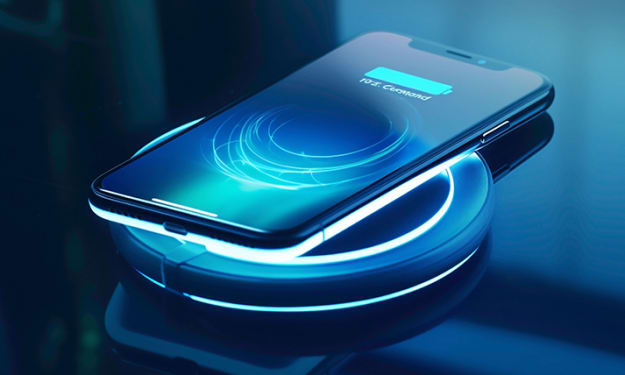
Wireless Charging Market: Smartphone Adoption, Fast Charging & Market Growth
Rising cyber threats, increased digitalization, and stricter regulatory requirements are accelerating demand for advanced security solutions. Businesses and governments are investing heavily to protect data, infrastructure, and critical assets amid growing connectivity and remote operations. Rapid adoption of cloud computing, IoT, and smart technologies further expands attack surfaces, making comprehensive security systems essential for risk mitigation, compliance, and long-term operational resilience. According to IMARC Group's latest research publication, The global wireless charging market size reached USD 19.9 Billion in 2024. Looking forward, IMARC Group expects the market to reach USD 52.4 Billion by 2033, exhibiting a growth rate (CAGR) of 11.4% during 2025-2033.
By James Whitmanabout 4 hours ago in Futurism
The Devil's Cut
“Comrade, finally you’re awake.” The voice was smooth, sensual. A flickering incandescent bar was all that lit the white, sterile room. All Vladimir remembered was everything going black. He tried to move his arms and found them strapped to the gurney.
By Matthew J. Fromm6 days ago in Fiction



Comments (2)
Nice post
Thanks for sharing