
"The Impact of Artificial Intelligence on Our Daily Lives: What It Means for the Future"
"AI in Daily Life: Transforming Work, Education, Healthcare, and More"
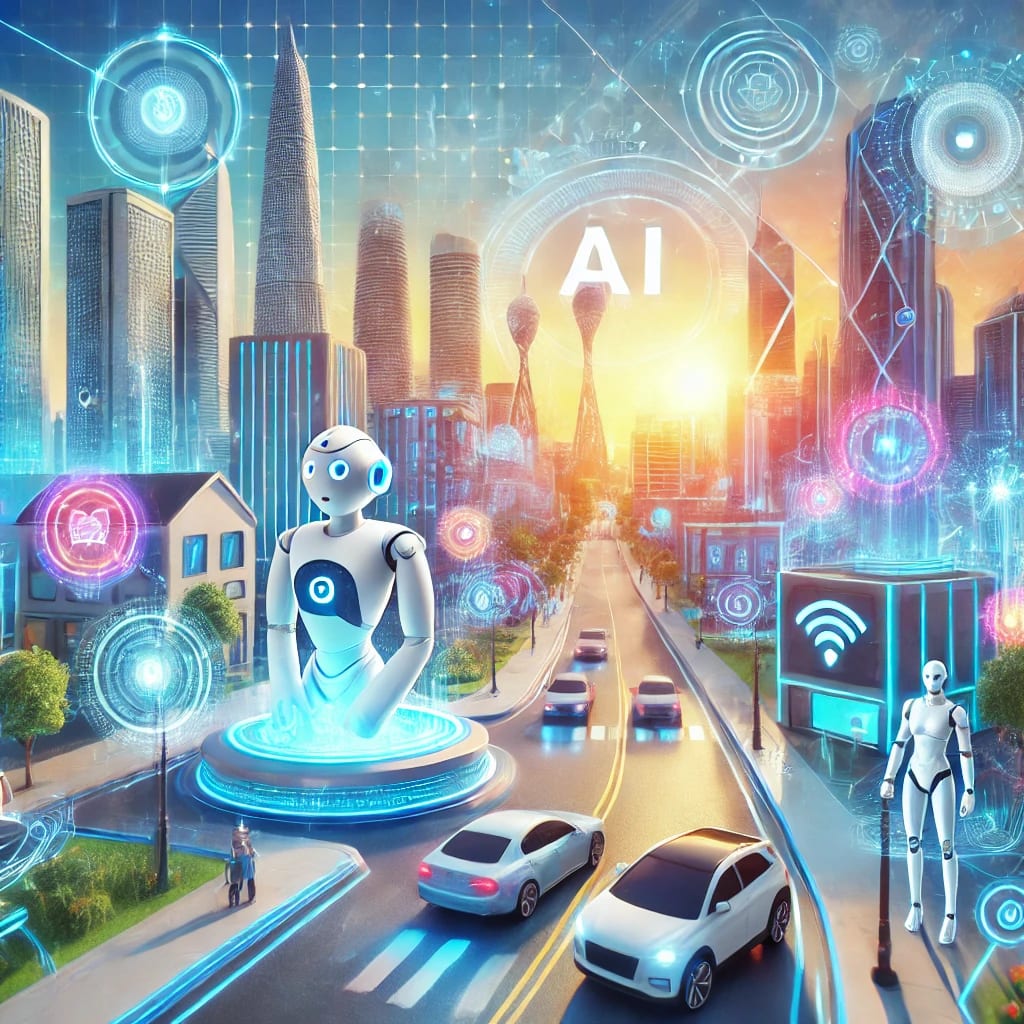
The Impact of Artificial Intelligence on Our Daily Lives: What It Means for the Future
In recent years, artificial intelligence (AI) has become an integral part of our daily lives, significantly impacting various fields that we once thought were immune to technology. From smartphones and social media applications to self-driving cars and healthcare, AI has emerged as a driving force behind innovation and progress. But what is the true impact of AI on our everyday lives? And how could the future change because of this advanced technology?
1. AI in the Workplace: The Transformation of Jobs and Its Effect on the Labor Market
There’s no doubt that AI is revolutionizing the workforce. Through automation and smart robotics, many routine tasks are now being carried out by machines, boosting productivity and reducing human errors. But does this mean human jobs are disappearing?
While some traditional jobs may be at risk, AI will create new opportunities across multiple sectors such as data analysis, software development, and even education. The real challenge lies in upskilling the workforce to adapt to this technological shift. In the future, we may witness the emergence of non-traditional jobs related to managing, monitoring, and enhancing AI.
For example, the new technologies like AI require advanced skills in fields like programming, mathematics, and data science. There is also an urgent need to train current workers to use these technologies in their professions. AI won’t only make jobs easier, but it will also stimulate innovation in new career fields.
2. AI in Education: Enhancing the Learning Experience
In education, AI has begun to provide innovative solutions for improving the learning experience. Through interactive learning platforms and AI-driven personalization, students can now access tailored educational content that suits their unique needs. This is not only limited to academic education but extends to professional skill development.
One way AI enhances education is by offering personalized learning tools. For example, AI-powered educational apps analyze a student’s learning style and deliver content at a pace that fits their understanding. These tools allow students to progress at their own rate and help them grasp concepts that might otherwise be difficult to learn.
AI also aids in analyzing different learning methods, enabling teachers to deliver more effective content and increase student engagement. In the future, we may see greater use of AI to guide students in choosing academic fields that align with their interests and skills.
3. AI in Healthcare: Improving Diagnosis and Treatment
In healthcare, AI has become a powerful tool for enhancing diagnosis and treatment. By analyzing vast amounts of medical data, AI can predict diseases more accurately, helping doctors make early decisions.
For example, AI in the medical field can analyze X-ray images to detect tumors or other serious conditions more precisely than human doctors. It is also being used in the development of new drugs and treatments for incurable diseases. By analyzing huge sets of medical and genetic data, AI can assist doctors in making more accurate decisions in less time.
AI has already improved healthcare by predicting chronic conditions like diabetes and heart disease based on previous medical records. The application of AI in healthcare boosts early diagnosis opportunities and provides doctors with powerful tools to fight diseases.
4. AI in Daily Life: From Home Automation to Self-Driving Cars
On a day-to-day level, AI has become embedded in our routines. From smart home devices like voice assistants controlling lighting and heating to self-driving cars that could revolutionize transportation, these technologies are no longer just futuristic concepts; they are now part of our everyday life.
In smart homes, AI is used to control various household appliances such as temperature, security, and even managing electrical systems. Through voice assistants like Amazon Alexa or Google Home, users can manage everything from the lights to the TV and other electrical devices.
As for transportation, we have seen tremendous progress with self-driving cars that rely on AI. These cars use technologies like computer vision and sensors to determine their route, make decisions, and interact with the surrounding environment. In the near future, these vehicles may become more widespread, making travel safer and more comfortable.
5. AI in Entertainment and Media: How It’s Changing the Industry
AI’s impact isn’t just limited to technological and medical fields; it has also transformed the entertainment and media industries. Through AI algorithms, users now receive personalized content recommendations that match their tastes, whether on platforms like Netflix or YouTube.
AI is also being used in the gaming industry, where it creates more interactive and challenging gaming experiences. These technologies allow gamers to interact with intelligent game environments that adapt to their playing style.
6. AI and Privacy: Balancing Innovation with Security
With the advancements AI brings, there are also concerns about privacy and data security. AI technologies are capable of collecting and analyzing vast amounts of personal data, leading some to feel that their privacy is being compromised. Platforms like Facebook and Instagram use AI to track user behavior and offer content that fits their interests, raising concerns about manipulation and data privacy.
The challenge is finding a balance between leveraging AI to improve user experiences and safeguarding individuals’ privacy. Moving forward, regulatory frameworks will be essential to ensure that AI technologies are used ethically and responsibly.
Conclusion: The Future of AI and the Challenges It Faces
AI promises to drastically change many aspects of our daily lives. But, like any emerging technology, it brings challenges that cannot be ignored. From ethical concerns regarding AI to economic and social issues that may arise due to automation, there are many matters that need to be addressed.
Nevertheless, it’s clear that AI will continue to shape our lives in positive and efficient ways, especially if it is used wisely and responsibly. Therefore, it’s essential to prepare ourselves to adapt to these technologies to ensure they serve both our personal and collective interests.
About the Creator
About Binding Prometheus
I want to start actively advocating on behalf of my own work, and the most valuable part of my canon is, without a doubt, Binding Prometheus, the play I have been working on since 2019 and only finished in 2023 as part of my MA. The play itself is an amalgamation of a million different inspirations. On one end, it evokes the Ancient Greek myth-play, deriving its own title from the earliest extant work of Western drama we have, Aeschylus’s Prometheus Bound. On the other end, it borrows significantly from the sci-fi bulwarks from over the years, namely Mary Shelley’s Frankenstein and Karel Capek’s Rossum’s Universal Robots. The play could be an episode of Black Mirror, I fear. I don’t know. I’ve only ever seen one episode of Black Mirror.
By Steven Christopher McKnight18 days ago in Futurism
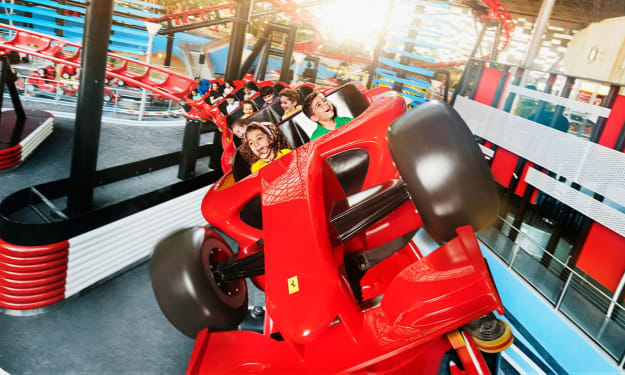
UAE Amusement Parks Market: Theme Park Expansion & Future Growth
According to IMARC Group's latest research publication, UAE Amusement Parks Market size was valued at USD 299.03 Million in 2025 and is projected to reach USD 496.63 Million by 2034, growing at a compound annual growth rate of 5.80% from 2026-2034.
By Abhay Rajput3 days ago in Futurism



Comments
There are no comments for this story
Be the first to respond and start the conversation.