
The Future of Work: How AI and Automation are Changing the Job Landscape
A Comprehensive Analysis of the Benefits and Challenges of Adopting AI and Automation in the Workplace

Introduction
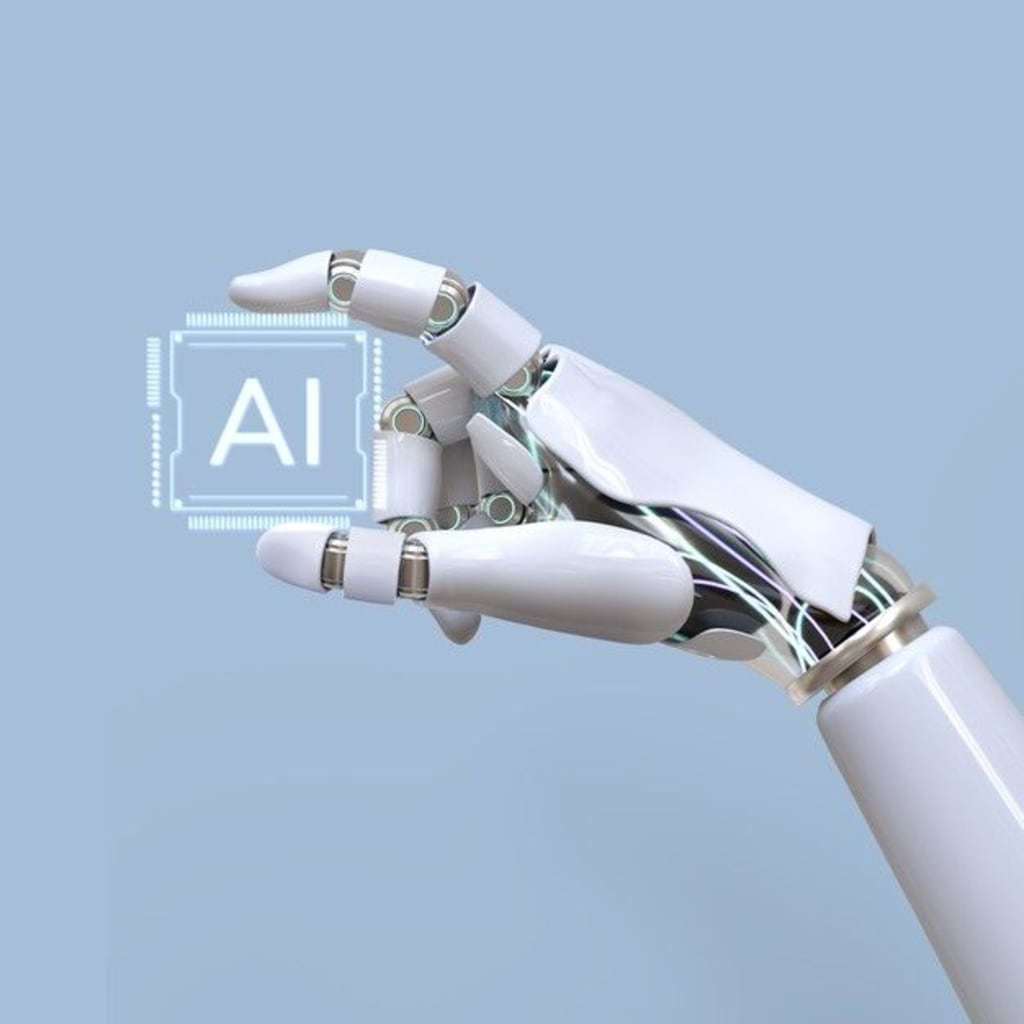
The way we work is changing. Advancements in artificial intelligence (AI) and automation are rapidly transforming industries and reshaping the job market. From self-driving cars and chatbots to smart homes and digital assistants, AI is becoming an integral part of our daily lives. With the increasing use of AI and automation, many jobs are being automated or augmented, leading to concerns about job loss and the future of work. In this article, we will examine how AI and automation are changing the job landscape, the benefits and challenges of adopting these technologies, and how organizations and individuals can prepare for the future of work.
What is AI and Automation?
AI refers to the ability of machines to perform tasks that normally require human intelligence, such as learning, reasoning, and perception. Automation, on the other hand, refers to the use of technology to perform tasks without human intervention. Both AI and automation are being used to automate and augment various tasks, from repetitive and manual tasks to more complex decision-making processes.
The Benefits of AI and Automation in the Workplace
AI and automation offer several benefits in the workplace, including increased efficiency, productivity, and accuracy. Automation can handle repetitive and manual tasks, freeing up employees to focus on more complex and creative tasks. AI-powered tools can also analyze large amounts of data quickly and accurately, providing insights that would be difficult or impossible for humans to identify.
AI and automation can also improve safety in the workplace by handling dangerous tasks or providing warnings and alerts in hazardous situations. For example, drones can be used to inspect infrastructure such as bridges and power lines, reducing the risk of injury for human inspectors. In addition, AI-powered tools can monitor and analyze data from sensors to detect potential safety hazards in real-time, allowing for quick intervention to prevent accidents.
Another benefit of AI and automation is that they can improve customer service by providing faster and more personalized responses to customer inquiries. Chatbots and virtual assistants can handle simple customer inquiries, freeing up human agents to handle more complex cases. AI-powered tools can also analyze customer data to identify patterns and preferences, allowing organizations to provide personalized recommendations and targeted marketing campaigns.
The Challenges of AI and Automation in the Workplace
Despite the benefits of AI and automation, there are also several challenges that need to be addressed. One of the main concerns is the potential for job displacement as automation and AI-powered tools take over certain tasks. While some jobs may become obsolete, new jobs will also be created, requiring different skills and competencies. Organizations and individuals need to adapt and reskill to remain relevant in the job market.
Another challenge is the potential for bias in AI systems. AI algorithms are only as unbiased as the data they are trained on, and if the data contains biases, the algorithms will also be biased. This can lead to unfair or discriminatory outcomes, such as in hiring or lending decisions. Organizations need to ensure that their AI systems are transparent and auditable to avoid unintended biases.
Finally, there are concerns about the ethical implications of AI and automation. For example, AI-powered tools could be used for surveillance and tracking, raising questions about privacy and civil liberties. Organizations need to ensure that their use of AI and automation is transparent and accountable, and that they are following ethical principles and guidelines.
Preparing for the Future of Work
To prepare for the future of work, organizations and individuals need to take proactive steps to adapt and reskill. This may involve investing in training and education programs to develop the skills needed for the jobs of the future. It may also involve rethinking job roles and responsibilities to ensure that humans and machines are working together effectively.
Organizations also need to consider the ethical implications
About the Creator
Keep reading
More stories from ALI SHAHBAZ and writers in Futurism and other communities.
The Future of Agriculture
Introduction Agriculture has come a long way from the days of manual labor and traditional farming methods. With the advancement of technology, modern agriculture has transformed into a sophisticated industry that employs cutting-edge tools and techniques to produce food efficiently and sustainably. The use of precision farming, data analytics, robotics, and biotechnology has opened up new opportunities for farmers to improve yields, reduce costs, and minimize environmental impact. In this article, we will explore the latest innovations and trends in sustainable agriculture and their impact on the future of farming.
By ALI SHAHBAZ3 years ago in Futurism
About Binding Prometheus
I want to start actively advocating on behalf of my own work, and the most valuable part of my canon is, without a doubt, Binding Prometheus, the play I have been working on since 2019 and only finished in 2023 as part of my MA. The play itself is an amalgamation of a million different inspirations. On one end, it evokes the Ancient Greek myth-play, deriving its own title from the earliest extant work of Western drama we have, Aeschylus’s Prometheus Bound. On the other end, it borrows significantly from the sci-fi bulwarks from over the years, namely Mary Shelley’s Frankenstein and Karel Capek’s Rossum’s Universal Robots. The play could be an episode of Black Mirror, I fear. I don’t know. I’ve only ever seen one episode of Black Mirror.
By Steven Christopher McKnight19 days ago in Futurism
Saudi Arabia Cancer Immunotherapy Market Advancing Treatment Adoption and Healthcare Innovation
According to IMARC Group's latest research publication, Saudi Arabia cancer immunotherapy market size reached USD 1,303.4 Million in 2025. The market is projected to reach USD 2,611.6 Million by 2034, exhibiting a growth rate (CAGR) of 8.03% during 2026-2034.
By Suhaira Yusuf5 days ago in Futurism




Comments
There are no comments for this story
Be the first to respond and start the conversation.