
The Future of Electric Vehicles: Paving the Way for a Sustainable Revolution
Driving Towards a Greener Tomorrow: The Exciting Future of Electric Vehicles
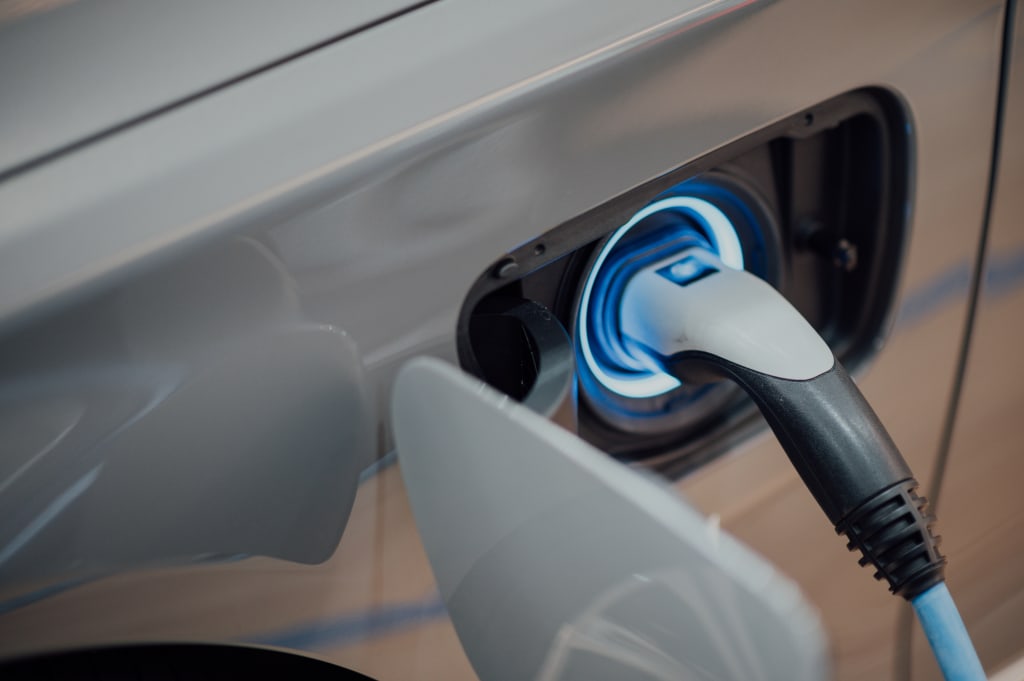
In recent years, the automotive industry has witnessed a significant shift towards electric vehicles (EVs) as a cleaner and more sustainable mode of transportation. As the world embraces the need for eco-friendly solutions, the future of electric vehicles holds immense promise. In this article, we explore the exciting developments and innovations that lie ahead for EVs. From advances in battery technology to expanding charging infrastructure and the emergence of autonomous driving, the future of electric vehicles is set to revolutionize the way we commute and reshape our relationship with transportation. Join us as we embark on a journey into the future of electric vehicles and discover the possibilities that lie ahead.
1. Advances in Battery Technology:
One of the key factors driving the future of electric vehicles is the advancement in battery technology. Breakthroughs in battery chemistry, such as solid-state batteries and lithium-air batteries, promise higher energy density, faster charging times, and longer ranges, addressing one of the major concerns for EV adoption.
Real-Life Example: Tesla's ongoing research and development efforts focus on improving battery technology, as showcased by their advancements in battery cell design and manufacturing processes.
2. Expanding Charging Infrastructure:
To support the widespread adoption of electric vehicles, a robust and accessible charging infrastructure is crucial. The future envisions a network of charging stations that offer faster charging speeds, increased availability, and convenient locations to alleviate range anxiety.
Real-Life Example: Companies like Electrify America and ChargePoint are already expanding their charging networks, deploying high-power charging stations across the globe, making long-distance travel more feasible for EV owners.
3. Autonomous Driving:
Autonomous driving technology is poised to play a significant role in the future of electric vehicles. Self-driving capabilities not only enhance convenience and safety but also optimize energy efficiency and traffic flow. As autonomous driving technology advances, electric vehicles will become an integral part of future transportation ecosystems.
Real-Life Example: Companies like Waymo and Tesla are at the forefront of autonomous driving research and development, pushing the boundaries of self-driving technology and showcasing the potential of electric vehicles in a driverless future.
4. Electrification of Public Transportation:
Beyond personal vehicles, the future of electric vehicles also includes the electrification of public transportation. Electric buses, trams, and trains offer emission-free alternatives, reducing carbon footprints and improving air quality in urban areas. As technology improves and costs decrease, electric public transportation systems will become more prevalent worldwide.
Real-Life Example: The city of Shenzhen in China has successfully electrified its entire bus fleet, showcasing the feasibility and benefits of electric public transportation on a large scale.
5. Integration with Renewable Energy:
The future of electric vehicles is closely intertwined with the expansion of renewable energy sources. As EV adoption increases, integrating electric vehicle charging with renewable energy generation becomes essential for a sustainable and carbon-neutral transportation ecosystem.
Real-Life Example: In some regions, EV owners have the option to charge their vehicles using solar panels installed on their homes or through grid systems powered by renewable sources, reducing reliance on fossil fuels.
6. Vehicle-to-Grid (V2G) Technology:
Vehicle-to-Grid (V2G) technology allows electric vehicles to not only consume energy but also contribute back to the grid. In the future, EVs equipped with V2G capabilities can act as mobile energy storage systems, supporting the stability of the electrical grid and enabling the integration of intermittent renewable energy sources.
Real-Life Example: Nissan has been exploring V2G technology through its Nissan LEAF electric vehicles, enabling owners to use their vehicles to power homes during peak demand periods or emergencies.
7. Lightweight Materials and Design Innovations:
To improve energy efficiency and extend driving range, future electric vehicles will incorporate lightweight materials and innovative designs. Advances in materials science will lead
to lighter yet stronger vehicle structures, reducing energy consumption and enhancing overall performance.
Real-Life Example: Electric vehicle manufacturers like BMW and Volkswagen are actively investing in research and development to incorporate lightweight materials such as carbon fiber and aluminum alloys into their EV models, promoting efficiency and sustainability.
Conclusion:
The future of electric vehicles holds immense promise, with innovations and developments propelling us towards a sustainable revolution in transportation. Advances in battery technology, expanding charging infrastructure, the rise of autonomous driving, and the electrification of public transportation all contribute to a greener and cleaner future. As the world transitions towards sustainable mobility, electric vehicles are poised to play a pivotal role in shaping a more environmentally friendly and technologically advanced transportation landscape. Let us embrace the exciting possibilities and join the journey towards a future where electric vehicles drive us towards a sustainable tomorrow.
About the Creator
Keep reading
More stories from Godzilla 1988 and writers in Futurism and other communities.
10 Mind-Blowing Tech Inventions You Didn't See Coming
In the fast-paced world of technology, innovations continue to astound us with their ability to push boundaries and reshape our lives. From groundbreaking gadgets to transformative solutions, the realm of tech inventions is a constant source of inspiration and awe. In this article, we unveil 10 mind-blowing tech inventions that took the world by surprise, revolutionizing industries and capturing our collective imagination. Join us on this exhilarating journey as we explore these unexpected creations that have changed the way we live, work, and interact with technology. Get ready to be amazed by these incredible innovations that you didn't see coming!
By Godzilla 19883 years ago in Futurism
About Binding Prometheus
I want to start actively advocating on behalf of my own work, and the most valuable part of my canon is, without a doubt, Binding Prometheus, the play I have been working on since 2019 and only finished in 2023 as part of my MA. The play itself is an amalgamation of a million different inspirations. On one end, it evokes the Ancient Greek myth-play, deriving its own title from the earliest extant work of Western drama we have, Aeschylus’s Prometheus Bound. On the other end, it borrows significantly from the sci-fi bulwarks from over the years, namely Mary Shelley’s Frankenstein and Karel Capek’s Rossum’s Universal Robots. The play could be an episode of Black Mirror, I fear. I don’t know. I’ve only ever seen one episode of Black Mirror.
By Steven Christopher McKnight18 days ago in Futurism
Asia Pacific Secondhand Luxury Goods Market Growth from Sustainability
The Asia Pacific Secondhand Luxury Goods Market reached a size of USD 8.6 Billion in 2024 and is forecast to grow to USD 17.9 Billion by 2033. The market is expected to expand at a CAGR of 8.09% during the forecast period 2025–2033. Growth is driven by rising middle-class demand, digital platform adoption, sustainability awareness, and the appeal of rarity and exclusivity that pre-owned luxury goods offer.
By Abhishek Dixit6 days ago in Futurism



Comments