
The Future of Electric Cars in 2025:
Explore the latest trends, innovations, and challenges shaping the future of electric cars in 2025 and beyond.

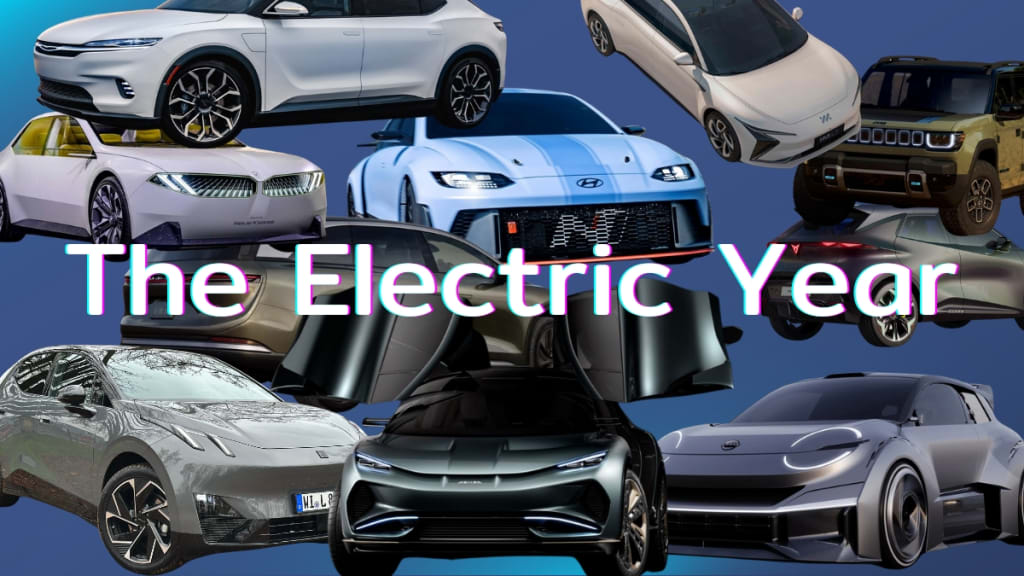
Electric cars were once a thing of the future. Now, in 2025, they are part of everyday life. The car industry is changing fast. These changes are not just about new types of cars but also about how people travel, how cities run, and how governments plan for a cleaner world.The move to electric vehicles (EVs) is more than just replacing gas engines,it’s about creating a new way to move around.
Why Electric Cars Are Becoming Popular:
Over the last 10 years, more people have started buying electric cars. In 2025, families and businesses are choosing EVs more often. They are no longer seen as luxury items, but as normal cars anyone can drive.
More trust: Drivers now feel safer and more confident in using electric cars. Car makers are building stronger, more reliable, and affordable models.
More choices: EVs now come in many types,from small city cars to big SUVs and trucks. This gives buyers more options.
Better prices: Electric cars used to cost a lot, but prices have gone down. Batteries are cheaper now, and more cars are being made, which lowers costs.
Today, electric cars are no longer just for early users. They are becoming the first choice for many people.
Better Batteries Make a Big Difference:
The battery is the most important part of an electric car. In 2025, batteries are much better than before.
Longer range: New EVs can drive 300–500 miles on one charge. This helps drivers stop worrying about running out of power.
Faster charging: New fast chargers can give the car hundreds of miles of power in less than 30 minutes.
Lower costs: Batteries are much cheaper now. New types, like solid-state batteries, are also being tested and could make cars even better.
These changes make electric cars more useful and more like gas cars in terms of ease and speed.
More Charging Stations Everywhere:
To support more EVs, charging stations are being built everywhere. In 2025:
Public places: Highways, malls, and workplaces have more chargers, making it easier to power up during the day.
Government help: Many governments are spending money to build chargers, even in rural areas.
Private companies: Businesses are making apps and tools that help drivers find chargers and pay easily.
With charging so easy to find, one of the biggest worries about EVs is going away.
Good for the Environment:
One of the best reasons to drive an electric car is to help the environment.
Fewer emissions: EVs don’t have tailpipes, so they don’t pollute the air like gas cars.
Cleaner energy: As more power comes from wind, sun, and water, EVs become even cleaner.
Fighting climate change: Many countries are using EVs as part of their plan to reduce global warming.
While building EV batteries still uses natural resources, the total effect on the planet is still better than gas cars.
How Governments Are Helping:
Governments are playing a big role in pushing EV use. In 2025:
Money savings: Buyers can get tax credits, rebates, or lower fees for choosing EVs.
New rules: Some cities don’t allow gas cars in certain areas. Only EVs can go there.
Global race: Countries like the U.S., China, and those in Europe are working hard to be leaders in EV technology.
These actions are helping more people and companies switch to electric cars.
New Features and Car Designs:
Electric cars are not just about being clean,they also offer new technology and style.
Smart tools: Many EVs now have voice controls, real-time updates, and smart navigation.
Self-driving: Some EVs have auto-drive features being tested and improved.
Better design: EVs are built to look nice and feel comfortable, with more space inside.
These extras make electric cars fun and easy to drive,not just good for the planet.
Big Car Companies and EVs:
By 2025, almost every major car company is making electric cars.
Tesla is still a leader, but many other brands are catching up.
Old companies like Ford, GM, Toyota, and Volkswagen now offer many EV models to stay in the game.
New companies from the U.S., Europe, and Asia are building cheaper, creative electric cars that compete well.
This strong competition gives buyers more choices and better prices.
Challenges Still Exist:
Even with all the progress, electric cars still face a few problems:
Charging time: Fast charging is better, but it still takes longer than filling up gas.
Cost: EVs are cheaper now, but still often cost more than small gas cars.
Battery recycling: What to do with old batteries is still a big question.
These are real problems, but new ideas and rules are slowly solving them.
Jobs and the Economy:
The rise of electric cars is also changing jobs and industries:
New jobs: Building EVs, batteries, and charging stations creates work for many people.
Oil industry impact: As less gas is needed, oil companies must find new ways to do business.
Stronger economies: Countries that lead in EVs may grow their green economies faster.
This change is not just about cars,it’s about how the world works and makes money.
What’s Coming After 2025?
Even though 2025 is a big year for electric cars, there’s more change ahead.
By 2030, some countries expect half of all new cars sold to be electric.
Global teamwork: Countries and companies are working together to move faster.
Cleaner cities: More EVs mean less noise, better air, and healthier streets.
There are still roadblocks, but the direction is clear: electric travel is the future.
Final Thoughts:
The world of electric cars in 2025 shows both big progress and some challenges. Better batteries, more charging stations, and strong government support are helping EVs become part of everyday life. At the same time, cost, recycling, and access to charging still need work.
But the move to electric cars is changing more than just how we drive. It’s changing how we think about energy, the planet, and the future. By 2025, the world is closer than ever to making clean and safe transportation the new normal.
About the Creator
Zeenat Chauhan
I’m Zeenat Chauhan, a passionate writer who believes in the power of words to inform, inspire, and connect. I love sharing daily informational stories that open doors to new ideas, perspectives, and knowledge.
Keep reading
More stories from Zeenat Chauhan and writers in Futurism and other communities.
Who Is Ben Arbuckle? Career, Biography, and Coaching Highlights Explained
Some stories don’t start with big headlines or end with trophies. Some begin in small towns, grow during late nights, and move forward one slow step at a time. That’s the kind of story Ben Arbuckle is living.
By Zeenat Chauhan6 months ago in Cleats
Quantum Networking Market to Reach US$ 19.406 Million By 2033
Quantum Networking Market Overview The Global Quantum Networking Market is projected to reach approximately USD 19,406 Million by 2033, increasing from USD 647.4 Million in 2023, reflecting a strong CAGR of 40.50% during the forecast period from 2024 to 2033.
By Roberto Crum5 days ago in Futurism
The Forsyth House Fire
Since 1851, Forsyth House has stood on the corner of Union Street and Gordon Street in the heart of Glasgow. Its iconic, or was... because on Sunday 8th of March, 2026, a fire broke out in a small, seemingly un-named shop in the building and tore all that history down. As I write, the rubble is still unsettled and the street is still blocked off. Central Station is quiet on the upper level, and around 30 small businesses have quite literally gone up in smoke.
By S. A. Crawford3 days ago in The Swamp


Comments
There are no comments for this story
Be the first to respond and start the conversation.