
The Future of Artificial Intelligence
Transforming Industries and Society
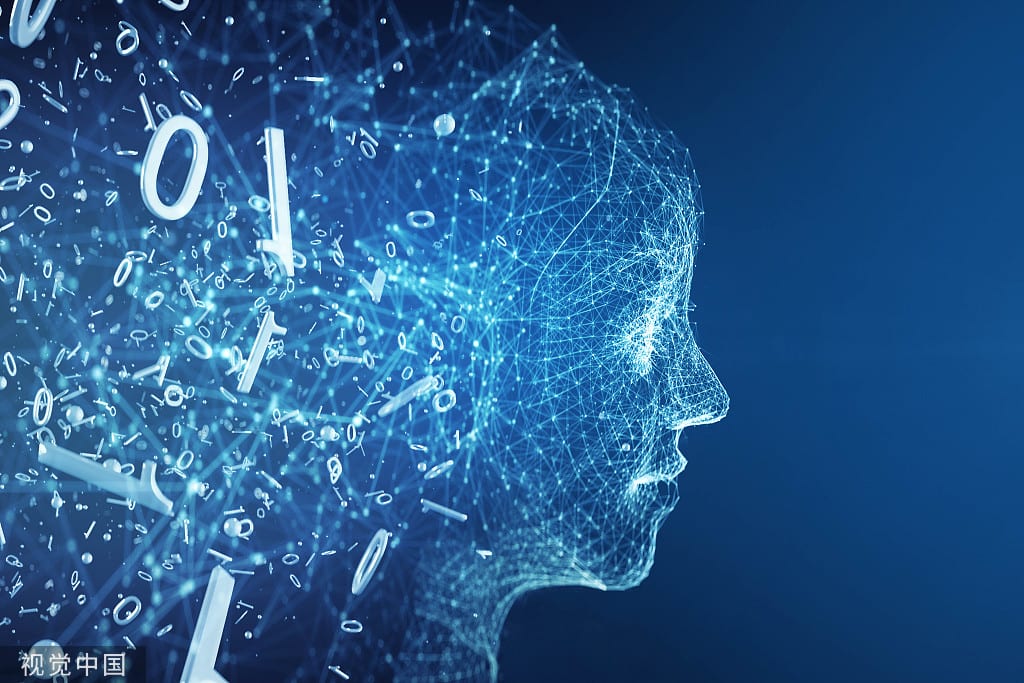
Artificial Intelligence (AI) has emerged as one of the most transformative technologies of the 21st century. With its ability to mimic human intelligence and automate complex tasks, AI is revolutionizing industries and reshaping society. From self-driving cars to virtual personal assistants, AI-powered solutions are becoming increasingly integrated into our daily lives. This article explores the future of artificial intelligence, its potential impact on various industries, and the ethical considerations that accompany its rapid advancement.
1. AI in Healthcare
The healthcare industry stands to benefit immensely from AI advancements. AI algorithms can analyze vast amounts of medical data to detect patterns and make accurate diagnoses. This enables earlier detection of diseases and personalized treatment plans. AI can also assist in drug discovery, making the process faster and more efficient. Additionally, robotic surgery and AI-powered medical devices enhance precision and minimize human error, revolutionizing the field of healthcare.
2. AI in Transportation
Self-driving cars have garnered significant attention in recent years. AI technologies, including computer vision and machine learning, enable vehicles to navigate roads, detect obstacles, and make real-time decisions. The future of transportation holds the promise of safer roads, reduced traffic congestion, and improved fuel efficiency. Furthermore, AI can optimize logistics and enhance the efficiency of supply chain management, benefiting the transportation industry as a whole.
3. AI in Finance
The financial industry has embraced AI for its ability to process vast amounts of financial data quickly and accurately. AI algorithms can predict market trends, identify fraudulent activities, and automate trading decisions. Additionally, AI-powered chatbots and virtual assistants provide customer support and streamline banking operations. However, the integration of AI in finance raises concerns about data privacy and potential biases in decision-making algorithms.
4. AI in Education
The education sector is undergoing a transformation with the integration of AI technologies. AI-powered tutoring systems can provide personalized learning experiences, adapting to individual students' needs and optimizing their learning paths. Natural language processing enables AI chatbots to answer students' questions and provide immediate feedback. AI can also aid in administrative tasks, freeing up educators' time for more interactive and engaging teaching.
5. AI in Manufacturing
Artificial intelligence is reshaping the manufacturing industry, often referred to as Industry 4.0. Smart factories leverage AI technologies to optimize production processes, reduce errors, and improve quality control. AI-powered robots and automation systems can handle repetitive tasks with precision, enhancing productivity and cost-efficiency. However, concerns arise regarding the impact on employment as some jobs become automated.
6. Ethical Considerations
As AI continues to advance, ethical considerations become increasingly crucial. Issues such as data privacy, algorithmic bias, and job displacement must be addressed. Transparent and accountable AI systems should be developed to ensure fairness and avoid discrimination. Additionally, regulations and standards need to be established to govern the ethical use of AI and mitigate potential risks.
7. Collaboration between Humans and AI
The future of AI lies in collaboration between humans and machines, rather than a replacement of human intelligence. AI systems can augment human capabilities, enabling professionals to make more informed decisions and solve complex problems. Interdisciplinary collaboration, involving experts from various fields, is crucial to harnessing the full potential of AI and addressing the ethical, social, and economic implications it poses.
Conclusion
Artificial intelligence is poised to transform industries and society in unprecedented ways. Its impact will be felt across sectors, from healthcare and transportation to finance, education, and manufacturing. While the benefits are vast, it is essential to navigate the ethical challenges that arise. Striking a balance between innovation, accountability, and human values will pave the way for a future where AI enhances our lives while respecting our shared humanity. As we embrace the potential of AI, it is crucial to ensure that this powerful technology is harnessed for the greater good and contributes to a sustainable and inclusive future.
About the Creator
Keep reading
More stories from Junyang Cao and writers in Futurism and other communities.
About Binding Prometheus
I want to start actively advocating on behalf of my own work, and the most valuable part of my canon is, without a doubt, Binding Prometheus, the play I have been working on since 2019 and only finished in 2023 as part of my MA. The play itself is an amalgamation of a million different inspirations. On one end, it evokes the Ancient Greek myth-play, deriving its own title from the earliest extant work of Western drama we have, Aeschylus’s Prometheus Bound. On the other end, it borrows significantly from the sci-fi bulwarks from over the years, namely Mary Shelley’s Frankenstein and Karel Capek’s Rossum’s Universal Robots. The play could be an episode of Black Mirror, I fear. I don’t know. I’ve only ever seen one episode of Black Mirror.
By Steven Christopher McKnight19 days ago in Futurism
Asia Pacific Digital Transformation Market Size and Forecast 2025–2033
Introduction The Asia Pacific region is undergoing one of the most dramatic digital shifts in modern economic history. Once viewed primarily as a manufacturing hub, the region has rapidly evolved into a global center for technological innovation, digital services, and data-driven business models. From advanced economies like Japan, South Korea, and Australia to fast-emerging digital powerhouses such as India, China, Indonesia, and Vietnam, Asia Pacific is redefining how organizations operate, governments govern, and consumers interact.
By jaiklin Fanandish5 days ago in Futurism




Comments
There are no comments for this story
Be the first to respond and start the conversation.