
The Evolution of Furniture Manufacturing: A Look at Sustainable Practices
Introduction: A Shift Toward Sustainability
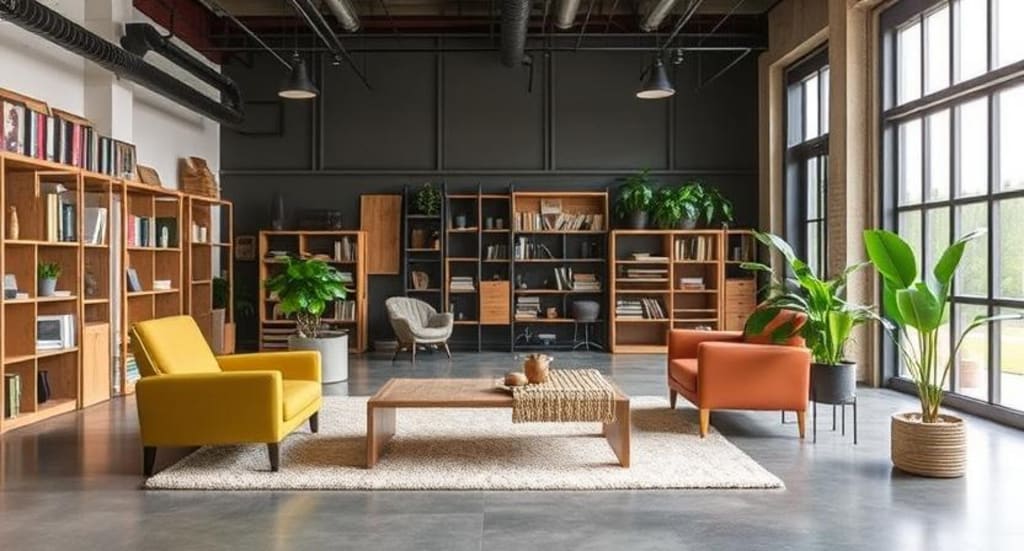
The furniture manufacturing industry has undergone a dramatic transformation in recent years, largely driven by the growing environmental concerns of consumers and businesses alike. As climate change becomes an increasingly urgent issue, many industries are rethinking their practices, and the furniture sector is no exception. Traditionally, furniture manufacturing involved the use of natural resources like wood and chemicals that had significant environmental impacts. However, in response to the rising demand for more sustainable products, companies have turned their focus toward creating environmentally friendly furniture. Today, sustainable practices such as the use of eco-conscious materials, energy-efficient production processes, and safer finishes are becoming the standard rather than the exception.
The Rise of Eco-Conscious Materials
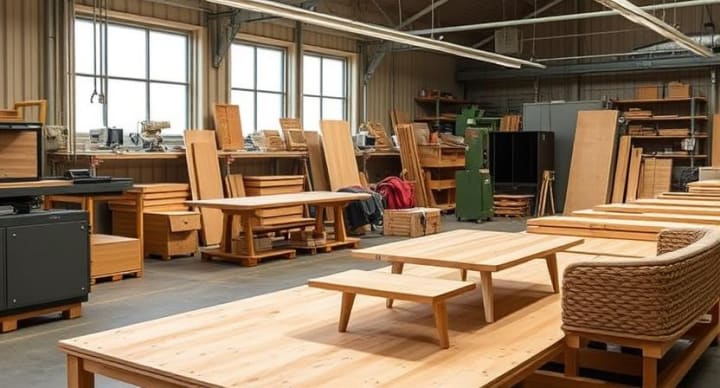
One of the most significant changes in the furniture manufacturing industry is the shift towards using eco-conscious materials. In the past, wood from unsustainable sources was a primary material for furniture, often contributing to deforestation. However, as awareness of the environmental impact of deforestation has grown, companies have started to use alternative materials that have less of an environmental footprint.
Bamboo, for example, has become a popular material due to its rapid growth rate and renewable nature. Unlike hardwood trees, which take decades to mature, bamboo can be harvested in just a few years, making it a more sustainable choice. Additionally, bamboo is highly durable and versatile, allowing it to be used in a wide range of furniture designs.
Recycled wood has also become increasingly common in furniture manufacturing. Rather than cutting down new trees, manufacturers are repurposing old wood from demolished buildings or discarded furniture, giving it a second life. Upcycling, or the process of creatively reusing materials, has gained momentum in recent years, with many companies using reclaimed wood, metal, and other materials to create unique, eco-friendly furniture pieces.

Efficient Production Processes
Beyond the use of sustainable materials, furniture manufacturers are also adopting more energy-efficient production processes to reduce their environmental impact. Traditional furniture-making processes can be wasteful, both in terms of raw materials and energy consumption. However, advancements in technology have allowed companies to minimize these inefficiencies.
Computer-aided design (CAD) software has become an essential tool in sustainable furniture manufacturing. CAD technology enables manufacturers to design furniture with precision, ensuring that materials are used more efficiently and that waste is minimized. By creating digital blueprints before the physical production process begins, manufacturers can optimize cutting patterns and reduce material waste.

In addition to CAD, automated machinery has streamlined the production process. Automation allows for more consistent quality control, faster production times, and less material waste. It also allows for greater precision, meaning that materials can be used more effectively, resulting in fewer offcuts and a reduction in the environmental footprint of each piece.
Eco-Friendly Finishes and Adhesives
The use of harmful chemicals in paints, finishes, and adhesives has been a longstanding concern in the furniture industry. Traditional paints and varnishes often contain volatile organic compounds (VOCs), which contribute to air pollution and can be harmful to human health. To address these concerns, furniture manufacturers are increasingly turning to non-toxic, water-based finishes and adhesives.

These eco-friendly alternatives are just as effective as their traditional counterparts but without the harmful environmental impact. Water-based finishes, for instance, release fewer toxins into the atmosphere and are safer for both workers and consumers. The use of natural oils and waxes has also gained popularity as a way to finish wooden furniture without the use of synthetic chemicals.
Conclusion: A Greener Future for Furniture Manufacturing
The furniture manufacturing industry is undergoing a significant transformation, with sustainability at the heart of this shift. By adopting eco-conscious materials, more efficient production methods, and safer finishes, manufacturers are helping to reduce the environmental impact of furniture production. As consumer demand for sustainable products continues to grow, the furniture industry is likely to embrace even more innovative practices to further minimize its ecological footprint. Ultimately, the move toward sustainable furniture manufacturing represents a broader trend in industries worldwide, driven by the need to protect the planet and preserve its resources for future generations.
About the Creator
Keep reading
More stories from OPAA LIVING and writers in Futurism and other communities.
Furniture Alchemy: Crafting Extraordinary Homes from Everyday Spaces
Furniture alchemy is the delicate art of transforming ordinary spaces into extraordinary homes. It’s not just about filling rooms with furniture; it’s about creating an environment that reflects your personal style, enhances comfort, and inspires creativity. This process is a fusion of design principles, functionality, and emotional resonance, designed to turn mundane, empty spaces into dynamic areas that are full of character and life. Furniture alchemy allows us to do more than just decorate a space; it helps us shape a home that tells a story, offering both beauty and purpose.
By OPAA LIVING11 months ago in Education
About Binding Prometheus
I want to start actively advocating on behalf of my own work, and the most valuable part of my canon is, without a doubt, Binding Prometheus, the play I have been working on since 2019 and only finished in 2023 as part of my MA. The play itself is an amalgamation of a million different inspirations. On one end, it evokes the Ancient Greek myth-play, deriving its own title from the earliest extant work of Western drama we have, Aeschylus’s Prometheus Bound. On the other end, it borrows significantly from the sci-fi bulwarks from over the years, namely Mary Shelley’s Frankenstein and Karel Capek’s Rossum’s Universal Robots. The play could be an episode of Black Mirror, I fear. I don’t know. I’ve only ever seen one episode of Black Mirror.
By Steven Christopher McKnight20 days ago in Futurism
Top Enterprise Software Development Companies in 2026
Enterprise software has become the backbone of modern organizations. In 2026, enterprises are no longer focused solely on digitization—they are prioritizing scalability, security, interoperability, and long-term architectural resilience. As a result, the role of enterprise software development companies has evolved from implementation partners to strategic technology enablers.
By Isabella Rossi5 days ago in Futurism
Smart phones, Humans and Aliens.
WARNING. I will be tapping into one of your favorite creative tensions: The absurdity of humans worshipping their glowing rectangles as if they were tiny oracles. There’s something deliciously poetic about that contradiction, and it lends itself beautifully to an instructive proviso.
By Novel Allen4 days ago in Poets


Comments
There are no comments for this story
Be the first to respond and start the conversation.