
The AI Revolution: How Artificial Intelligence is Shaping Our Everyday Lives
Myriad ways AI is integrating into our daily routines

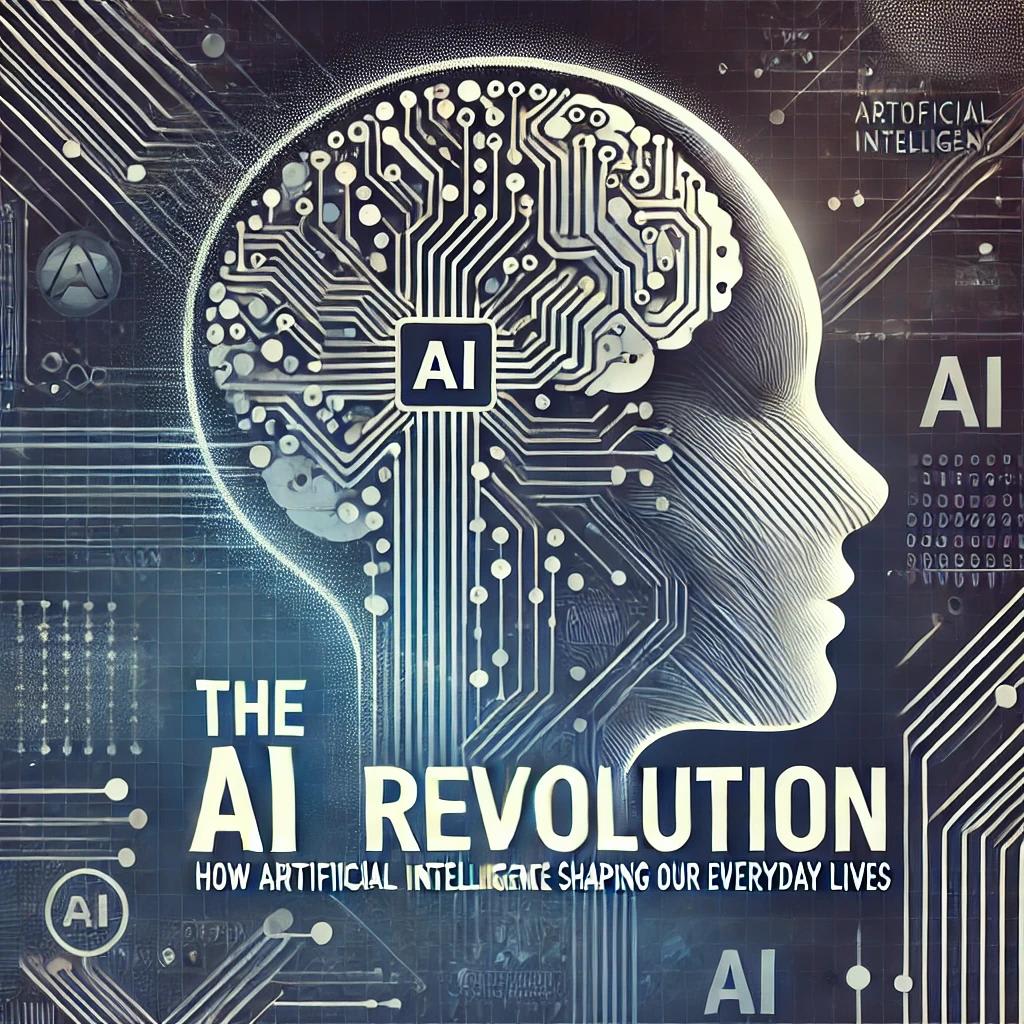
In the last few years, artificial intelligence (AI) has transitioned from a concept of science fiction to a significant force influencing our everyday lives. From virtual assistants to personalized shopping experiences, AI is no longer just a buzzword—it's a transformative technology that's reshaping how we interact with the world. This story delves into the myriad ways AI is integrating into our daily routines, offering a glimpse into a future that’s already unfolding.
The Rise of AI in Our Daily Lives
It wasn't too long ago that the idea of talking to a machine and getting a response seemed like a distant dream. Today, devices like Amazon’s Alexa, Google Assistant, and Apple’s Siri have become household staples, assisting with everything from setting reminders to controlling smart home devices. These AI-powered assistants have not only made life more convenient but have also paved the way for broader AI integration in our lives.
But AI's impact goes far beyond just voice-activated commands. It’s in the personalized recommendations we receive on Netflix or Spotify, where algorithms analyze our preferences to suggest content tailored to our tastes. It’s in the targeted ads we see on social media platforms, where AI analyzes our online behavior to deliver products and services we’re more likely to be interested in. Even our shopping experiences are being revolutionized—AI-powered chatbots provide instant customer support, while sophisticated algorithms predict what we might want to buy next.
AI in Healthcare: A New Frontier
Perhaps one of the most exciting developments in AI is its application in healthcare. AI is revolutionizing how we approach medical diagnoses and treatment plans. Machine learning algorithms can now analyze medical data, such as X-rays and MRIs, with remarkable accuracy, often identifying issues that might be missed by human eyes. This has led to earlier diagnoses and better patient outcomes.
AI is also playing a crucial role in drug discovery. Traditional drug development processes are time-consuming and costly, often taking years before a new medication can reach the market. AI, however, can analyze vast amounts of data at unprecedented speeds, identifying potential drug candidates and predicting their effectiveness. This has the potential to accelerate the development of life-saving treatments and make healthcare more accessible to everyone.
The Ethical Dilemmas of AI
As AI becomes more integrated into our lives, it also raises important ethical questions. Issues of privacy, data security, and the potential for bias in AI algorithms are all concerns that need to be addressed. For instance, while AI can provide personalized experiences, it often relies on extensive data collection, which can lead to concerns about how that data is used and who has access to it.
Moreover, as AI systems become more autonomous, the question of accountability arises. If an AI makes a mistake—such as misdiagnosing a patient or making an erroneous decision in a self-driving car—who is responsible? These are complex issues that require careful consideration and the development of robust ethical frameworks to ensure that AI is used responsibly.
The Future of AI: What’s Next?
The future of AI is both exciting and uncertain. As the technology continues to evolve, we can expect to see even more profound changes in how we live and work. AI could potentially automate many tasks that are currently performed by humans, leading to greater efficiency but also raising concerns about job displacement.
On the other hand, AI has the potential to solve some of the world’s most pressing challenges, from climate change to global health crises. For example, AI models are being developed to predict and mitigate the impacts of natural disasters, while AI-driven research is helping to combat diseases and improve agricultural practices.
The key to harnessing AI’s potential lies in striking a balance between innovation and ethics. By ensuring that AI is developed and implemented in a way that benefits society as a whole, we can unlock its full potential while minimizing its risks.
Conclusion
Artificial intelligence is no longer a futuristic concept—it’s a reality that is already shaping our everyday lives. From healthcare to entertainment, AI is transforming industries and creating new possibilities. However, as we embrace this technology, it’s essential to address the ethical challenges it presents and work towards a future where AI serves as a force for good.
The AI revolution is here, and it’s only just beginning. The choices we make today will determine how this powerful technology shapes our world tomorrow. Whether we’re ready or not, AI is set to become an integral part of our lives, and the journey is just getting started.
Ready to Leverage AI for Your Business? Hire Dedicated Developers Today!
Unlock the full potential of AI with a team of expert developers by your side. Whether you’re looking to innovate, streamline processes, or create cutting-edge solutions, our dedicated developers have the skills and experience to bring your vision to life.
Don’t wait—future-proof your business with AI-driven development.
Hire a Dedicated AI Developer Now!
Let’s build something extraordinary together!
About the Creator
Thescalers
Leverage global talent to increase engineering capacity and scale fast. Build your offshore software development team in Bangalore.
Connect at - https://thescalers.com/contact-offshore-team-india/
Keep reading
More stories from Thescalers and writers in Futurism and other communities.
The Growing Number of Software Developers in India: A Game Changer for the Tech Industry
Even though the US currently holds the record for the highest number of working software engineers worldwide, global shifts in the labor market are set to change this landscape. As the IT industry expands globally, the number of specialists working in the field from abroad is rising exponentially. According to various reports, the number of software engineers worldwide is around 26.9 million. By 2024, this number is poised to grow to 28.7 million. From 2001 to 2017, the number of software developers in America alone increased by an astounding 135%. But what about India? How many software engineers does India have, and how is this number shaping the global tech industry?
By Thescalers2 years ago in Futurism
AI in Visual Effects Market Demand to Hit USD 9.6 Billion By 2033
The Global AI in Visual Effects Market is projected to reach approximately USD 9.6 Billion by 2033, rising from USD 1.6 Billion in 2023, reflecting a CAGR of 19.6% during the forecast period from 2024 to 2033. The market expansion is supported by the increasing use of artificial intelligence technologies in film production, gaming, advertising, and digital media.
By Roberto Crum3 days ago in Futurism
The digital radiology market grows as hospitals shift to digital workflows.
According to IMARC Group's latest research publication, the global digital radiology market size reached USD 3.3 Billion in 2024. Looking forward, IMARC Group expects the market to reach USD 5.0 Billion by 2033, exhibiting a growth rate (CAGR) of 4.23% during 2025-2033.
By sujeet. imarcgroupabout 2 hours ago in Futurism



Comments
There are no comments for this story
Be the first to respond and start the conversation.