
Telegram's Questionable Future
CEO Pavel Durov Arrested at French Airport – What This Means for the Tech World


In a shocking development that could have far-reaching implications for the tech world, Pavel Durov, the founder and CEO of Telegram, was arrested at a French airport. This arrest has sent ripples through the tech community, raising questions about the future of the widely-used messaging platform and its role in moderating content.
Telegram Background

Telegram, founded in 2013 by Pavel Durov and his brother Nikolai Durov, is a cloud-based instant messaging app known for its emphasis on speed, security, and privacy. The app offers a range of features, including text messaging, voice and video calls, file sharing, and the ability to create large group chats and channels. Telegram's core selling points include its end-to-end encryption for secret chats, its large file sharing capabilities (up to 2 GB per file), and its focus on user privacy. Pavel Durov, previously known for creating VKontakte (VK), Russia’s largest social networking site, developed Telegram as a response to increasing censorship and privacy concerns. After falling out with Russian authorities over demands for user data, Durov left VK and dedicated himself to Telegram, which has since grown into one of the most popular messaging apps globally.
Telegram is renowned for its exceptional speed and reliability, crucial factors for its widespread adoption. The app achieves this by leveraging a distributed network of data centers strategically located around the globe. This network structure significantly reduces latency and ensures rapid message delivery, even during peak usage times. By decentralizing its infrastructure, Telegram can manage a substantial number of simultaneous users and messages with minimal performance degradation. This approach allows the platform to maintain high performance and responsiveness, which is particularly important for users who rely on real-time communication.
A key feature of Telegram is its impressive scalability. Unlike many other messaging platforms, Telegram supports large groups and channels, with groups capable of accommodating up to 200,000 members and channels hosting an unlimited number of subscribers. This scalability makes Telegram an attractive option for public figures, organizations, and communities aiming to engage a broad audience. The platform’s ability to handle such vast numbers without compromising performance is a testament to its robust infrastructure and efficient design, catering to both individual users and large-scale communication needs.
Telegram operates on a cloud-based architecture, a significant advantage for users who prioritize accessibility and convenience. All messages and media are stored on Telegram’s servers, allowing users to access their content from any device. This cloud storage model eliminates the need for local backups and ensures that users can seamlessly switch between devices—whether they are moving from a smartphone to a tablet or a computer—without losing their conversation history or media. The cloud-based approach not only enhances user experience but also provides a reliable and consistent access point for all communications and files.
Privacy and security are cornerstones of Telegram’s appeal. The platform offers end-to-end encryption for secret chats, ensuring that messages are only readable by the intended recipients. This level of encryption provides a high degree of privacy, protecting sensitive information from unauthorized access. However, it’s important to note that standard chats use server-to-client encryption, which some critics argue may not be as secure as end-to-end encryption. In addition to encryption, Telegram features like self-destructing messages and two-factor authentication further bolster security, giving users multiple layers of protection for their personal data.
Telegram is praised for its clean and intuitive user interface, which contributes to a positive overall user experience. The app is available across multiple platforms, including iOS, Android, Windows, macOS, and Linux, ensuring a consistent experience regardless of the device used. This cross-platform availability allows users to enjoy the same functionality and user-friendly design whether they are on a mobile device or a desktop computer. Telegram also supports extensive customization options, such as themes and chat backgrounds, enabling users to tailor the app’s appearance to their preferences.
One of Telegram’s standout features is its support for large file sharing. Users can upload and share files up to 2 GB in size, which is significantly larger than the limits imposed by many other messaging platforms. This capability is particularly valuable for users who need to send high-resolution images, videos, or large documents. The ability to share substantial files without resorting to external file-sharing services makes Telegram a convenient and versatile tool for both personal and professional communication.
Telegram’s support for bots and third-party integrations adds another layer of functionality to the platform. Bots can automate tasks, provide information, and interact with users in various ways, enhancing the app’s utility. From providing weather updates to managing tasks and running polls, bots extend Telegram’s capabilities beyond simple messaging. The platform’s openness to integrations allows users to access a range of additional services and features, making Telegram not just a messaging app but a versatile tool for a variety of needs. In summary, Telegram’s performance and features position it as a powerful and adaptable messaging platform. Its speed, scalability, cloud-based architecture, and strong privacy measures, combined with a user-friendly interface and extensive file-sharing capabilities, make it a compelling choice for a wide range of users.
Reputation and Controversies of Telegram

Since its inception in 2013, Telegram has experienced remarkable growth, becoming one of the most popular messaging apps globally. With millions of active users, Telegram's appeal is driven by its commitment to privacy and its ability to manage large groups and channels effectively. Its focus on providing a secure communication platform and supporting extensive group functionalities has resonated with users seeking an alternative to more traditional messaging services. This growth reflects Telegram’s success in addressing privacy concerns and offering features that cater to a broad range of user needs.
Despite its strong performance and privacy reputation, Telegram has faced significant criticisms and controversies. The platform has been accused of hosting and facilitating illegal activities, including drug trafficking, extremist propaganda, and other illicit content. Critics argue that Telegram's policies on content moderation are insufficient, allowing harmful content to proliferate. The company's approach to handling such issues has led to heated debates about its responsibility and effectiveness in preventing misuse. These controversies highlight the ongoing challenge Telegram faces in balancing its privacy-focused mission with the need for effective content control.
Telegram's staunch commitment to user privacy and its reluctance to comply with government demands for user data have led to numerous regulatory and legal challenges. The platform has encountered bans and restrictions in several countries, including Russia and Iran, where authorities have sought access to user data for various reasons, including national security and law enforcement. Telegram's resistance to these demands has resulted in significant clashes with governments and regulatory bodies. These legal issues underscore the tension between maintaining a secure, private platform and navigating complex regulatory environments.
Telegram is highly regarded for its speed, performance, and robust feature set. Its emphasis on privacy and large-scale functionalities has established it as a popular choice for users seeking a versatile and secure messaging service. However, its reputation is complicated by ongoing debates over its role in content moderation and its interactions with regulatory authorities. The platform's ability to balance its commitment to privacy with the need for responsible content management and compliance with legal requirements remains a critical challenge.
The Arrest and Its Implications

Pavel Durov's arrest on Saturday evening at an airport near Paris marks a dramatic turn of events. According to French media reports, Durov was detained based on an arrest warrant connected to Telegram's alleged failure to adequately moderate illegal content and cooperate with law enforcement. The accusations against Telegram include issues related to drug trafficking, child sexual content, and fraud. The arrest came after Durov arrived on a private jet from Aban, further amplifying the high-profile nature of this case.
French authorities have emphasized that Telegram's lack of effective moderation has allowed criminal activities to proliferate on the platform. While Telegram has not officially commented on the allegations, it's almost certain that the company will deny any wrongdoing. The unfolding legal battle could see Durov appearing in court soon, with potential indictments and legal proceedings to follow.
Durov’s Background and Controversies
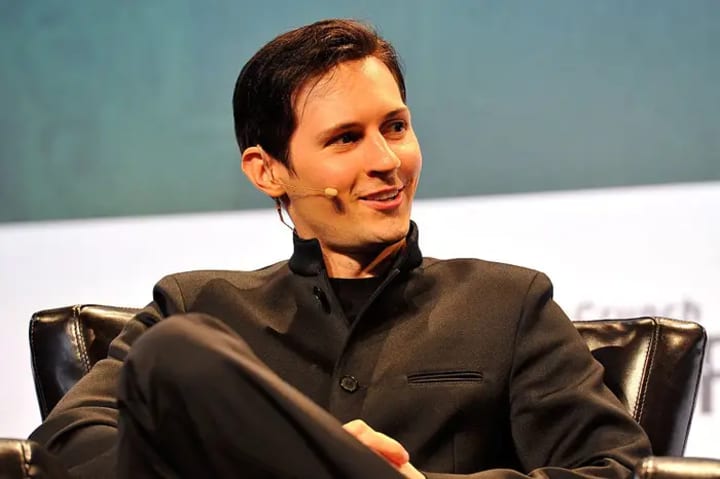
Pavel Durov is a prominent figure in the tech industry, recognized for his significant contributions to digital communication and his commitment to privacy. Born on October 10, 1984, in Leningrad (now Saint Petersburg), Russia, Durov is best known for founding VKontakte (VK) and Telegram.
VKontakte (VK). Durov co-founded VKontakte, Russia’s largest social networking site, in 2006. VK was often compared to Facebook due to its similar features and user interface. Under Durov’s leadership, VK grew rapidly and became a dominant force in the Russian social media landscape. However, Durov’s tenure at VK ended in 2014 after a high-profile dispute with the Russian government over demands for user data. The Kremlin sought access to information about pro-Ukrainian and anti-Kremlin protesters, which Durov refused to provide. This conflict led to his forced sale of VK to a company with close ties to the Kremlin.
Telegram. In 2013, Durov launched Telegram, a cloud-based messaging app designed to offer high-speed communication and strong privacy protections. Telegram has gained global popularity for its scalability, large group and channel capacities, and robust encryption features. Durov’s commitment to maintaining user privacy and resisting government pressures has been a defining aspect of Telegram’s identity.
As of 2024, Pavel Durov’s net worth is estimated to be around $9.2 billion. This valuation reflects his successful ventures, particularly the substantial growth and impact of Telegram, which has positioned him as one of the wealthiest and most influential figures in the tech industry. Since leaving Russia, Durov has remained relatively low-profile but has occasionally made headlines. His outspoken stance against Kremlin attempts to control his companies and his refusal to comply with data demands have been central to his career. Durov’s recent high-profile interview with Tucker Carlson in the United States has increased his visibility, potentially influencing the timing and nature of his recent arrest.
Pavel Durov’s career is marked by his innovative contributions to social networking and messaging, alongside his principled stand on privacy and data security. His background in VKontakte and Telegram highlights his significant impact on the tech industry, while his controversies reflect ongoing tensions between tech entrepreneurship and governmental pressures.
What This Means for Telegram
The arrest of Pavel Durov could have significant ramifications for Telegram and its users. The platform is known for its emphasis on privacy and encryption, which has made it a popular choice for users seeking secure communication. However, this focus on privacy has also led to criticisms regarding the platform's role in enabling illegal activities.
If the allegations against Telegram are proven true, the company could face increased regulatory pressure and demands for stricter content moderation. This could result in changes to the platform's policies and practices, potentially affecting its appeal to users who value privacy and freedom of expression. Moreover, the legal and political implications of Durov's arrest may influence how governments and regulatory bodies approach tech companies in the future. The case could set a precedent for how platforms are held accountable for content moderation and cooperation with law enforcement.
Global Reactions and Future Outlook
The arrest has sparked a flurry of reactions from various quarters. The Russian foreign ministry has expressed concerns over the arrest, alleging that France is refusing to cooperate. This diplomatic tension highlights the broader geopolitical implications of the case. As the legal proceedings unfold, the tech world will be closely watching how Telegram navigates this crisis. The outcome of Durov's arrest could have lasting effects on the company's operations, its relationship with users, and its standing in the global tech community. Pavel Durov's arrest marks a pivotal moment for Telegram and the broader tech industry. The case raises critical questions about the balance between privacy, security, and regulatory oversight. As developments continue, the tech world will be watching closely to understand the full impact of this significant event.
About the Creator
Horace Wasland
Research analyst, writer & mystical healer. Exploring the edge where science meets mystery. From mystery/the mystical, to facts, news & psychology. Follow for weekly insights on all four and please leave a tip if you like what you read :)
Keep reading
More stories from Horace Wasland and writers in Futurism and other communities.
Privacy in the Metropolis
In my dear interconnected world, privacy is all but a rare commodity. The bustling metropolis, with its constant streams of data and surveillance, often feels like a place where privacy is compromised at every turn. Yet, the concept of a "private city" — where personal privacy is prioritized and protected — offers a compelling vision for urban living. But what does it take to transform my dear bustling metropolis into a more private city? I had to look for solution when it comes to creating a private oasis in the heart of the urban sprawl.
By Horace Waslandabout a year ago in Futurism
About Binding Prometheus
I want to start actively advocating on behalf of my own work, and the most valuable part of my canon is, without a doubt, Binding Prometheus, the play I have been working on since 2019 and only finished in 2023 as part of my MA. The play itself is an amalgamation of a million different inspirations. On one end, it evokes the Ancient Greek myth-play, deriving its own title from the earliest extant work of Western drama we have, Aeschylus’s Prometheus Bound. On the other end, it borrows significantly from the sci-fi bulwarks from over the years, namely Mary Shelley’s Frankenstein and Karel Capek’s Rossum’s Universal Robots. The play could be an episode of Black Mirror, I fear. I don’t know. I’ve only ever seen one episode of Black Mirror.
By Steven Christopher McKnight12 days ago in Futurism



Comments
There are no comments for this story
Be the first to respond and start the conversation.