
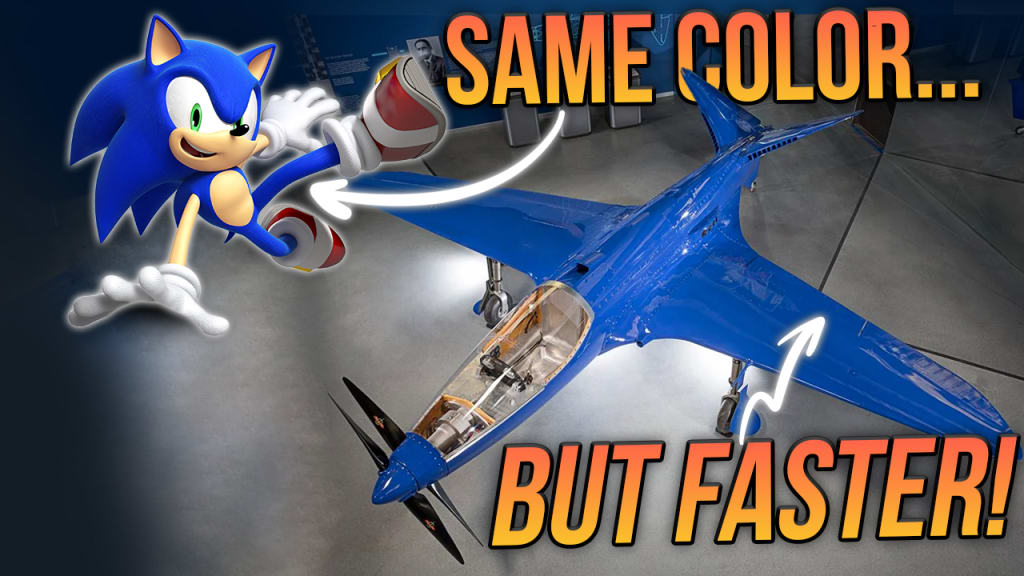
Supersonic fighter aircraft have revolutionized the world of aviation, offering unmatched speed and maneuverability. With each passing year, newer and more advanced supersonic fighters are developed, setting new standards in the industry. Here are some of the world's top supersonic fighter aircrafts.
F-22 Raptor
The F-22 Raptor is a fifth-generation, single-seat, twin-engine, all-weather stealth tactical fighter aircraft developed for the United States Air Force (USAF). It has a maximum speed of Mach 2.25 (1,500 mph) and is equipped with advanced avionics and stealth technology, making it virtually undetectable to radar.
Su-57
The Su-57 is a fifth-generation, single-seat, twin-engine, all-weather stealth tactical fighter aircraft developed by Russia's Sukhoi Aviation Corporation. It has a maximum speed of Mach 2.25 (1,500 mph) and is equipped with advanced avionics and weapons systems.
F-35 Lightning II
The F-35 Lightning II is a fifth-generation, single-seat, single-engine, all-weather stealth multirole fighter aircraft developed by Lockheed Martin. It has a maximum speed of Mach 1.6 (1,200 mph) and is equipped with advanced avionics and weapons systems.
MiG-31 Foxhound
The MiG-31 Foxhound is a fourth-generation, twin-engine, all-weather interceptor fighter aircraft developed by Russia's Mikoyan design bureau. It has a maximum speed of Mach 2.83 (1,860 mph) and is equipped with advanced avionics and weapons systems.
Dassault Rafale
The Dassault Rafale is a fourth-generation, twin-engine, multirole fighter aircraft developed by France's Dassault Aviation. It has a maximum speed of Mach 1.8 (1,390 mph) and is equipped with advanced avionics and weapons systems.
Eurofighter Typhoon
The Eurofighter Typhoon is a fourth-generation, twin-engine, multirole fighter aircraft developed by a consortium of European aerospace companies. It has a maximum speed of Mach 2 (1,550 mph) and is equipped with advanced avionics and weapons systems.
J-20
The J-20 is a fifth-generation, single-seat, twin-engine, all-weather stealth fighter aircraft developed by China's Chengdu Aerospace Corporation. It has a maximum speed of Mach 2.5 (1,900 mph) and is equipped with advanced avionics and weapons systems.
F-15 Eagle
The F-15 Eagle is a fourth-generation, twin-engine, all-weather tactical fighter aircraft developed for the United States Air Force (USAF). It has a maximum speed of Mach 2.5 (1,875 mph) and is equipped with advanced avionics and weapons systems.
Su-35
The Su-35 is a fourth-generation, single-seat, twin-engine, multirole fighter aircraft developed by Russia's Sukhoi Aviation Corporation. It has a maximum speed of Mach 2.25 (1,500 mph) and is equipped with advanced avionics and weapons systems.
Chengdu J-10
The Chengdu J-10 is a fourth-generation, single-seat, multirole fighter aircraft developed by China's Chengdu Aircraft Industry Group. It has a maximum speed of Mach 1.8 (1,373 mph) and is equipped with advanced avionics and weapons systems.
Supersonic fighter aircrafts are the pinnacle of modern aviation technology. These advanced war machines are capable of reaching speeds beyond the sound barrier, making them nearly impossible to detect and intercept. In the race for air superiority, countries around the world are constantly developing and improving their fighter jet fleet to stay ahead of the competition.
One of the most iconic and well-known supersonic fighter aircrafts is the F-22 Raptor, which is considered to be the world's top fighter jet. It was developed by Lockheed Martin and Boeing for the United States Air Force and entered service in 2005. The F-22 is renowned for its unmatched speed, agility, and stealth capabilities, making it virtually undetectable by radar.
In addition to these top-performing supersonic fighter aircrafts, there are also a number of other advanced fighter jets that are making waves in the aviation world. Each of those aircrafts has its own unique strengths and capabilities, and they all play an important role in the ongoing race for air superiority.
Overall, supersonic fighter aircrafts represent the pinnacle of modern aviation technology, and the ongoing development and improvement of these advanced war machines is critical for maintaining global security and maintaining air superiority.
About the Creator
Australia Dietary Supplements Market: Preventive Healthcare Demand, Aging Population & Wellness Trends
According to IMARC Group, the Australia dietary supplements market reached a value of USD 3.9 Billion in 2025 and is projected to reach USD 7.2 Billion by 2034, growing at a compound annual growth rate (CAGR) of 7.02% during 2026–2034. The market is expanding as consumers increasingly prioritize health, wellness and preventive healthcare solutions. Rising awareness about nutrition and lifestyle-related diseases is encouraging individuals to incorporate dietary supplements into their daily routines. Vitamins, minerals, herbal supplements and functional nutrition products are widely used to support immunity, improve energy levels and address specific health concerns. In addition, Australia’s aging population is driving demand for supplements that promote bone health, cardiovascular wellness and cognitive function. With rising disposable incomes and growing interest in holistic well-being, dietary supplements are becoming a key component of modern health management across the country.
By Shrestha Roy2 days ago in Futurism


Comments
There are no comments for this story
Be the first to respond and start the conversation.