
Saudi Arabia Microalgae Based Products Market: Health Supplements & Industrial Demand Surge
How sustainable bio-production, advanced cultivation technologies, and rising demand for natural nutrition and bio-based solutions are shaping innovation, commercialization, and market growth across the Saudi Arabia microalgae-based products market.

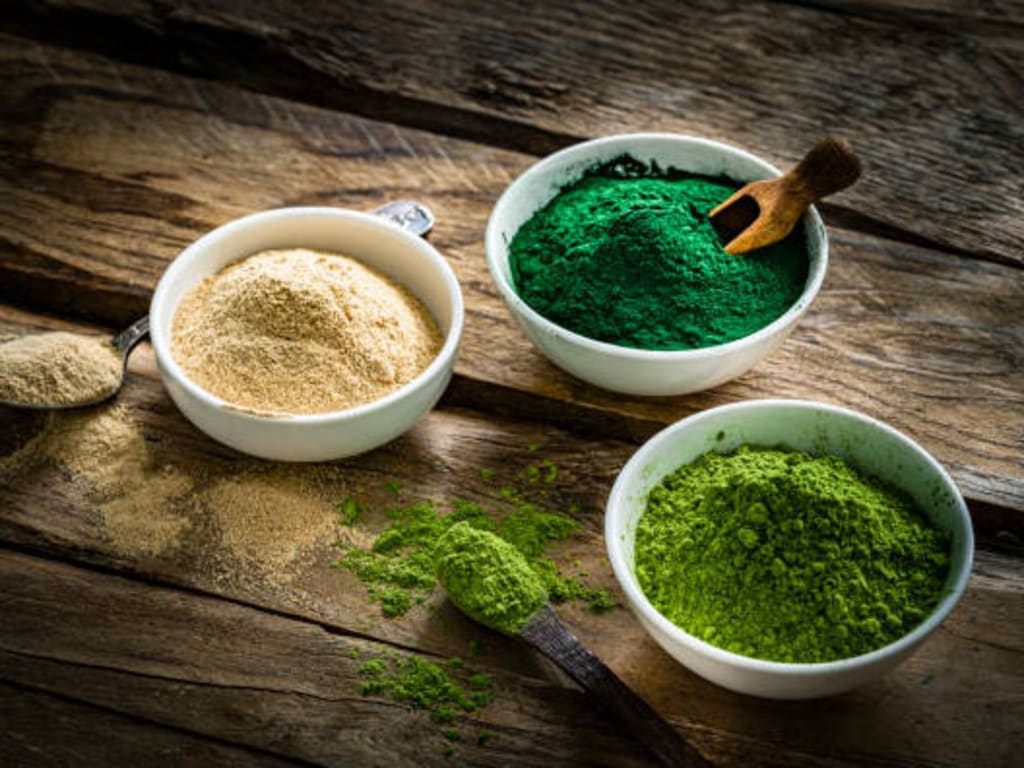
According to IMARC Group's latest research publication, Saudi Arabia microalgae based products market size reached USD 22.7 Million in 2025. The market is projected to reach USD 37.9 Million by 2034, exhibiting a growth rate of 5.88% during 2026-2034.
How AI is Reshaping the Future of Saudi Arabia Microalgae Based Products Market
- Automated Growth Optimization: AI-powered systems continuously monitor environmental factors like light, pH, temperature, and nutrients in real-time, automatically adjusting conditions to maximize biomass yields by up to 57% compared to traditional cultivation methods.
- Predictive Cultivation Models: Machine learning algorithms analyze cultivation data to forecast growth patterns under varying conditions, enabling producers to achieve 15% higher biomass productivity while reducing resource waste and operational costs throughout production cycles.
- Advanced Species Identification: Deep learning and image recognition technologies accurately identify and classify microalgae strains with over 95% precision, streamlining quality control processes and ensuring consistent product specifications for food, pharmaceutical, and cosmetic applications.
- Intelligent Harvest Timing: AI models predict optimal harvest windows by analyzing biomass concentration, lipid content, and nutrient composition, improving compound recovery rates by up to 43% for high-value products like astaxanthin and omega-3 fatty acids.
- Energy-Efficient Processing: Artificial neural networks optimize bioreactor operations, light regimes, and CO2 utilization, cutting energy consumption by 20-30% in photobioreactor facilities while maintaining target production volumes and product quality standards across cultivation cycles.
How Vision 2030 is Revolutionizing Saudi Arabia Microalgae Based Products Industry
Vision 2030 is transforming the Kingdom's microalgae sector through strategic investments in biotechnology and sustainable food systems. King Abdullah University of Science and Technology launched the Saudi Center for Algal Biotechnology Development and Aquaculture, expanding from a 1,000 square meter pilot facility to a 42,000 square meter industrial-scale operation producing up to 100 tons of algae biomass annually. The government is targeting production of 13 million tons of locally-sourced animal feed materials to replace imports from Brazil and the United States. KAUST researchers developed seawater-adapted Spirulina and Chlorella strains that eliminate freshwater requirements, making commercial cultivation economically viable in desert conditions. The Ministry of Environment, Water and Agriculture allocated resources to establish Integrated Multi-Trophic Aquaculture systems that capture 150 tons of CO2 annually while supporting the Kingdom's goal of producing 530,000 metric tons of seafood through aquaculture. These initiatives align with food security priorities and the National Biotechnology Strategy, positioning microalgae as a cornerstone for reducing import dependency and building a diversified bioeconomy.
Saudi Arabia Microalgae Based Products Market Trends & Drivers:
The market is experiencing accelerated growth driven by rapidly expanding veganism and plant-based dietary adoption across the Kingdom. Research indicates that 37.5% of Saudi Arabia's population now identify as vegetarians, while 11.3% follow vegan diets, representing a fundamental shift in consumer preferences among younger urban demographics. Food and beverage manufacturers are responding by incorporating microalgae-derived proteins, omega-3 fatty acids, vitamins, and antioxidants into snacks, supplements, beverages, and dairy alternatives. The Saudi dietary supplements market reached $845 million with leading retailers expanding their clean-label product offerings that feature Spirulina and Chlorella as core ingredients. Restaurants and cafés throughout Riyadh and Jeddah are introducing vegan menu options highlighting microalgae components, while online health influencers drive awareness of the nutritional and environmental benefits. Educational campaigns by health organizations emphasize microalgae's complete amino acid profile and bioavailable nutrients, appealing to health-conscious consumers seeking natural alternatives to animal-based proteins. This consumer trend is reinforcing demand across nutraceuticals, functional foods, and personal care categories.
The biofuel sector is emerging as a major demand driver as the Kingdom pursifies energy diversification goals under its sustainability roadmap. The Saudi biofuel market reached $895 million as government initiatives accelerate the transition from fossil fuels to renewable energy sources. Microalgae offer exceptional bio-oil production potential with minimal land and water usage, achieving growth rates 5-10 times faster than conventional crops under optimal desert conditions. Research institutions and energy companies are establishing partnerships to develop efficient cultivation methods in closed-loop photobioreactor systems that operate with minimal freshwater consumption. Saudi Arabia's abundant year-round sunlight, vast non-arable land, and access to saline water resources create ideal conditions for commercial-scale algae cultivation. The fast growth rates and high lipid accumulation capabilities position microalgae as viable feedstock for sustainable aviation fuel production, supporting the aviation sector's decarbonization targets. Industrial facilities are exploring co-location strategies to capture carbon emissions from power generation and industrial processes, feeding CO2 directly to algae cultivation systems while simultaneously producing oxygen and biomass for multiple applications across fuel, feed, and pharmaceutical sectors.
Government support and strategic infrastructure investments are accelerating commercialization across the value chain. The Ministry of Environment, Water and Agriculture partnered with KAUST to establish proof-of-concept facilities that demonstrate year-round productivity under variable desert conditions. Producers achieved biomass costs approaching $2 per kilogram at pilot scale, with projections indicating costs below this threshold at industrial volumes through process optimization and co-product valorization strategies. The National Fisheries Development Program is funding aquaculture integration projects that utilize fish waste nutrients to feed microalgae, which is then processed into high-protein animal feed, creating circular production systems. Pharmaceutical and cosmetics manufacturers are investing in extraction technologies to isolate high-value compounds including EPA, DHA, astaxanthin, beta-carotene, and phycobiliproteins for nutraceutical and cosmetic formulations. Aarksee Group and Soletair Power established partnerships to deploy building-integrated carbon capture technology using microalgae across multiple Saudi cities. The Saudi Food and Drug Authority is developing regulatory frameworks to support market access for microalgae-based supplements and functional foods, while research centers provide hands-on training to develop local expertise in algae biotechnology and aquaculture farming.
Saudi Arabia Microalgae Based Products Market Industry Segmentation:
The report has segmented the market into the following categories:
Product Insights:
- Spirulina
- Chlorella
- Dunaliella Salina
- Astaxanthin
- Beta Carotene
- PUFA Fatty Acid
- Lutein
- Others
Application Insights:
- Food and Beverages
- Personal Care
- Nutraceuticals and Dietary Supplements
- Pharmaceuticals
- Chemicals
- Fuel
- Animal Feed
- Others
Regional Insights:
- Northern and Central Region
- Western Region
- Eastern Region
- Southern Region
Competitive Landscape:
The competitive landscape of the industry has also been examined along with the profiles of the key players.
Recent News and Developments in Saudi Arabia Microalgae Based Products Market
- January 2025: King Abdullah University of Science and Technology (KAUST) expanded the Saudi Center for Algal Biotechnology Development and Aquaculture to 42,000 square meters, scaling operations to produce up to 100 tons of microalgae biomass annually, representing nearly one-fifth of Europe's total current production capacity.
- March 2025: Aarksee Group and Soletair Power established a strategic partnership to implement building-integrated carbon capture technology utilizing microalgae across the Middle East, including Saudi Arabia and India, combining microalgae-based CO2 capture with HVAC-integrated atmospheric extraction systems.
- June 2025: Saudi Arabia announced plans to achieve 530,000 metric tons of seafood production through aquaculture by 2030, with Integrated Multi-Trophic Aquaculture systems utilizing microalgae to process fish waste while capturing an estimated 150 tons of CO2 annually.
Note: If you require specific details, data, or insights that are not currently included in the scope of this report, we are happy to accommodate your request. As part of our customization service, we will gather and provide the additional information you need, tailored to your specific requirements. Please let us know your exact needs, and we will ensure the report is updated accordingly to meet your expectations.
About the Creator
Faisal Al-Harbi
Market research professional based in Saudi Arabia (KSA), focused on industry trends, market growth, and economic insights.
Writing data-driven articles on Saudi markets, business outlook, and Vision 2030–driven sectors.
Keep reading
More stories from Faisal Al-Harbi and writers in Futurism and other communities.
Saudi Arabia Home Healthcare Market: Aging Population, Chronic Diseases & Market Growth
According to IMARC Group's latest research publication, Saudi Arabia home healthcare market size reached USD 4,214.4 Million in 2025. The market is projected to reach USD 7,583.4 Million by 2034, exhibiting a growth rate of 6.75% during 2026-2034.
By Faisal Al-Harbiabout 7 hours ago in Futurism
About Binding Prometheus
I want to start actively advocating on behalf of my own work, and the most valuable part of my canon is, without a doubt, Binding Prometheus, the play I have been working on since 2019 and only finished in 2023 as part of my MA. The play itself is an amalgamation of a million different inspirations. On one end, it evokes the Ancient Greek myth-play, deriving its own title from the earliest extant work of Western drama we have, Aeschylus’s Prometheus Bound. On the other end, it borrows significantly from the sci-fi bulwarks from over the years, namely Mary Shelley’s Frankenstein and Karel Capek’s Rossum’s Universal Robots. The play could be an episode of Black Mirror, I fear. I don’t know. I’ve only ever seen one episode of Black Mirror.
By Steven Christopher McKnight20 days ago in Futurism
Saudi Arabia Software Market: AI Integration, Vision 2030, Enterprise Solutions & Growth Outlook
Saudi Arabia's software market thrives on Vision 2030 initiatives, driving demand for cloud-native solutions and AI-integrated enterprise tools that empower sectors like fintech and healthcare with seamless digital transformation. According to IMARC Group's latest research publication, Saudi Arabia software market size reached USD 8.1 Billion in 2025. The market is projected to reach USD 23.5 Billion by 2034, exhibiting a growth rate (CAGR) of 12.57% during 2026-2034.
By Jeffrey Wilson6 days ago in Futurism
How to Succeed at the Benson Directory®
Congratulations and welcome to the Benson Directory® employee #22391! As our newest call handler, you will have the privilege of speaking with dozens of unique and interesting people on a daily basis as well as the opportunity to earn bonuses for high performance. Contained within this handbook you will find a set of ease to follow instructions designed to help you settle in to your new role and begin paving the way to success.
By S. A. Crawford4 days ago in Fiction



Comments
There are no comments for this story
Be the first to respond and start the conversation.