
Saudi Arabia Construction Market: Mega Projects, Vision 2030 & Growth Outlook
How mega infrastructure projects, digital construction technologies, and sustainability-driven development strategies are accelerating project execution, cost optimization, and long-term urban growth across the Saudi Arabia construction market.

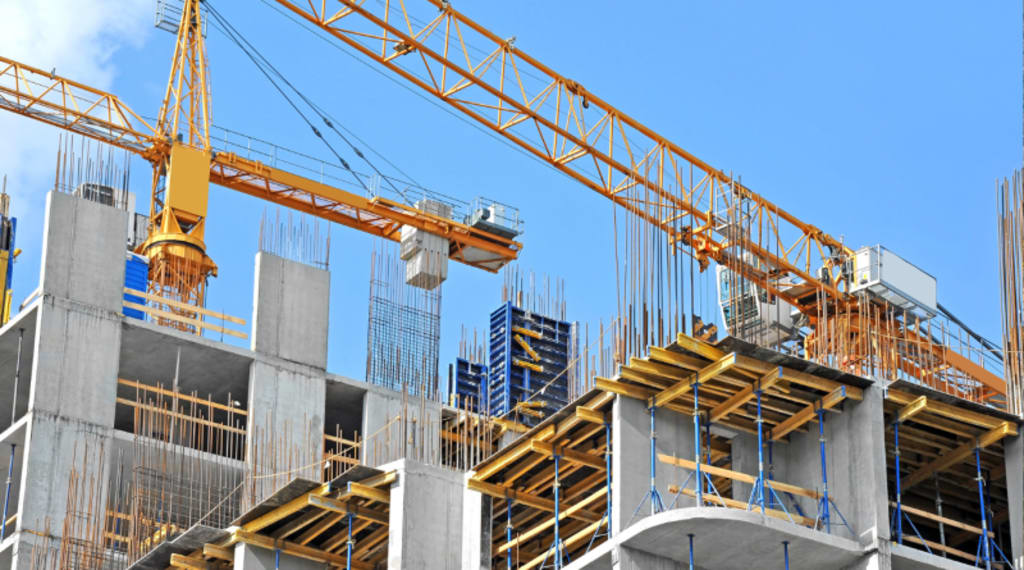
According to IMARC Group's latest research publication, Saudi Arabia construction market size was valued at USD 101.4 Billion in 2025. The market is projected to reach USD 138.4 Billion by 2034, exhibiting a growth rate of 3.52% during 2026-2034.
How AI is Reshaping the Future of Saudi Arabia Construction Market
- BIM-AI Integration Excellence: Building Information Modeling combined with machine learning enables automated clash detection between architectural, structural, and MEP elements, reducing project rework by up to 30% while identifying design conflicts before construction begins across mega-projects.
- Generative Design Innovation: AI systems process thousands of optimized design options based on cost, materials, and structural requirements within seconds, accelerating creativity and ensuring alignment with sustainability mandates while enabling architects to explore unprecedented design possibilities for smart cities.
- Predictive Maintenance Systems: Digital twin technology monitors equipment performance in real-time across construction sites, predicting maintenance needs before breakdowns occur. AI optimizes energy use by adjusting systems based on occupancy and environmental data, cutting operational costs by 25%.
- Automated Quality Control: Computer vision algorithms inspect construction work continuously, detecting defects instantly with precision exceeding human capabilities. AI-driven systems ensure compliance with Saudi Building Code standards, reducing material waste and improving overall project quality across all phases.
- Smart Resource Optimization: Machine learning analyzes project timelines, material delivery schedules, and workforce allocation patterns to minimize delays. AI-powered platforms predict potential bottlenecks, enabling proactive adjustments that keep mega-projects on track despite complex logistical challenges and tight deadlines.
How Vision 2030 is Revolutionizing Saudi Arabia Construction Industry
Vision 2030 is fundamentally transforming the Saudi construction landscape through unprecedented investments exceeding USD 500 billion across mega-infrastructure projects. NEOM, the USD 500 billion futuristic city spanning 26,500 square kilometers, leads the charge with its sub-projects including The Line, Sindalah luxury island destination opened in 2024, Trojena mountain resort, and Oxagon industrial hub. Qiddiya, the world's largest entertainment city surpassing Walt Disney World, opened its Six Flags Qiddiya City on December 31, 2025, featuring the world-record Falcon's Flight roller coaster and targeting 48 million annual visitors. The Red Sea Project develops 28,000 square kilometers of pristine coastline with 50 resorts expected to welcome one million tourists annually. New Murabba's iconic 400-meter Mukaab cube structure anchors downtown Riyadh transformation with 104,000 residential units. The 176-kilometer Riyadh Metro, the world's longest driverless train system with 85 stations, revolutionizes urban mobility. Diriyah Gate preserves 300 years of heritage while creating cultural tourism. These projects drive demand across all construction segments—residential, commercial, industrial, and infrastructure—creating over 1.1 million jobs, attracting massive foreign investment, and positioning the Kingdom as a global hub for innovation, tourism, and sustainable development aligned with economic diversification beyond oil dependency.
Download the Sample Report to Understand Market Trends and Outlook
Saudi Arabia Construction Market Trends & Drivers:
Mega-project development under Vision 2030 is driving unprecedented construction activity as the Kingdom executes one of history's most ambitious infrastructure transformations. The Public Investment Fund has awarded construction contracts worth USD 250 billion since 2016, launching over USD 1.25 trillion in real estate and infrastructure projects. NEOM's green hydrogen facility reached 80% completion across multiple sites, advancing toward becoming the world's largest renewable-powered ammonia complex. Qiddiya Investment Company delivered 4,000 residential units as vacation homes, contributing USD 4.53 billion to GDP while creating 57,000 jobs. The Red Sea Project generates 35,000 hospitality and tourism positions across pristine islands and mountain landscapes. ROSHN builds over 400,000 homes by 2030 on 200,000 square kilometers, supporting the government's 70% homeownership target. Preparations for Expo 2030 in Riyadh and FIFA World Cup 2034 accelerate stadium construction, transport networks, and public spaces. These projects integrate cutting-edge technologies including smart grids, renewable energy systems, and digital connectivity from inception, setting new global benchmarks in sustainable urban development while stimulating continuous demand for construction materials, skilled labor, advanced equipment, and engineering services across all market segments.
Public-Private Partnerships are transforming project delivery models and expanding the Kingdom's construction capabilities through strategic collaborations that blend government vision with private sector efficiency and innovation. PPP frameworks reduce fiscal burden while attracting substantial foreign direct investment from global contractors and developers. Major international firms including Bechtel, Fluor, Jacobs, and Gilbane execute large-scale infrastructure alongside local champions like AFRAS, AL Jazirah Engineers & Consultants, and Al Latifa Trading. These partnerships bring advanced technical expertise, project management methodologies, and international best practices to Saudi construction sites. The relaxation of foreign investment laws enables 100% ownership in key sectors, incentivizing technology transfer and capability building. PPPs accelerate delivery timelines through efficient risk-sharing mechanisms, with private investors contributing capital for highways, metro systems, housing developments, and utilities infrastructure. The model proves particularly effective for Riyadh Metro, NEOM industrial zones, and Red Sea tourism facilities. Government support through streamlined licensing, tax incentives, and regulatory clarity strengthens partnership frameworks. These collaborations simultaneously develop local talent as Saudi engineers and entrepreneurs work alongside international partners, building lasting expertise that positions the Kingdom for sustained construction leadership beyond initial mega-project completion.
Sustainable building practices and digital construction technologies are reshaping industry standards as environmental responsibility becomes central to project planning and execution. The Saudi Green Building Forum recognized New Murabba as platinum sponsor for contributions advancing sustainability in 2024. Developers implement LEED and BREEAM certification standards, incorporating renewable energy, water efficiency, and low-carbon design across all phases. Green building codes mandate minimum thermal insulation values, window-to-wall ratios under 25%, and energy-efficient HVAC systems optimized for extreme desert climates. Solar-powered cities and desalination plants using clean energy reduce carbon footprints while smart grids enable real-time energy management. Modular construction and 3D printing accelerate timelines while decreasing material waste by 20-30%. BIM adoption, now mandatory for public-sector projects, enables comprehensive digital project lifecycles from design through facility management. Cloud-based collaboration platforms connect architects, engineers, and contractors in real-time, preventing costly rework. Drones conduct automated site inspections and progress monitoring, while robotics handle repetitive tasks with precision. The shift toward industrialized construction methods improves quality control and worker safety. Machine learning optimizes material procurement and logistics efficiency. These technological advances support the Kingdom's commitment to achieving carbon neutrality by 2060 while maintaining rapid development pace necessary for Vision 2030 milestone achievement.
Saudi Arabia Construction Market Industry Segmentation:
The report has segmented the market into the following categories:
Sector Insights:
- Residential
- Commercial
- Industrial
- Infrastructure (Transportation)
- Energy and Utilities Construction
Regional Insights:
- Northern and Central Region
- Western Region
- Eastern Region
- Southern Region
Competitive Landscape:
The market research report has also provided a comprehensive analysis of the competitive landscape. Competitive analysis such as market structure, key player positioning, top winning strategies, competitive dashboard, and company evaluation quadrant has been covered in the report. Also, detailed profiles of all major companies have been provided, including AFRAS, AL Jazirah Engineers & Consultants, Al Latifa Trading and Contracting, Bechtel Corporation, Fluor Corporation, Gilbane Inc., Jacobs, and Tekfen Construction.
Recent News and Developments in Saudi Arabia Construction Market
- February 2025: Saudi Arabia introduced Infra-guaranteed financing and surety bonds to assist contractors in the construction sector. Surety bonds operate like insurance, providing guarantees to contractors for project completion, with insurance companies compensating for losses if issues arise during execution.
- December 2025: Six Flags Qiddiya City officially opened on December 31, 2025, featuring world-record-breaking attractions including Falcon's Flight and Spitfire roller coasters holding four world records combined, marking a historic achievement in Saudi Arabia's entertainment and construction sectors.
- November 2024: Saudi Arabia's Public Investment Fund partnered with Foxconn to establish AI-powered BIM centers in Riyadh, supporting government-mandated BIM compliance for all public-sector projects and advancing smart city modeling capabilities for NEOM and other mega-developments.
- October 2024: Construction began on The Mukaab, the world's largest cube-shaped skyscraper measuring 400 meters in all dimensions, set to become the centerpiece of New Murabba development in downtown Riyadh with advanced digital and virtual reality experiences.
- September 2024: The Avenues-Khobar mall construction in Eastern Province reached 5.25% completion, with the SAR 7.3 billion (USD 1.947 billion) project spanning 198,000 square meters including retail space and two mixed-use towers scheduled for phased delivery.
- August 2024: Sindalah, NEOM's luxury island destination, officially opened as the first completed component of the USD 500 billion mega-project, showcasing world-class marina facilities, luxury resorts, and sustainable tourism infrastructure to global visitors.
- June 2024: Amaala luxury tourism project commenced its first phase construction with eco-friendly resorts along the Red Sea coast, emphasizing regenerative tourism principles and carbon-neutral operations aligned with Saudi Arabia's environmental commitments.
- January 2025: Riyadh Metro officially began operations with 85 stations across its 176-kilometer network, earning Guinness World Record recognition as the world's longest driverless train system and transforming urban mobility throughout the capital.
Note: If you require specific details, data, or insights that are not currently included in the scope of this report, we are happy to accommodate your request. As part of our customization service, we will gather and provide the additional information you need, tailored to your specific requirements. Please let us know your exact needs, and we will ensure the report is updated accordingly to meet your expectations.
About the Creator
Faisal Al-Harbi
Market research professional based in Saudi Arabia (KSA), focused on industry trends, market growth, and economic insights.
Writing data-driven articles on Saudi markets, business outlook, and Vision 2030–driven sectors.
Keep reading
More stories from Faisal Al-Harbi and writers in Futurism and other communities.
Saudi Arabia Air Conditioning Market Infrastructure Growth, Energy Efficient Systems & Expansion Outlook
According to IMARC Group's latest research publication, Saudi Arabia air conditioning market size reached USD 2.55 Billion in 2024. The market is projected to reach USD 5.11 Billion by 2033, exhibiting a growth rate of 7.20% during 2025-2033.
By Faisal Al-Harbiabout 15 hours ago in Futurism
Michalene Melges and the Strategic Leadership Powering the Robotics Era
The Acceleration of Intelligent Robotics Robotics has moved from controlled industrial settings into nearly every sector of the global economy. Automated fulfillment centers process orders with extraordinary speed. Autonomous vehicles continue to advance through rigorous testing and refinement. Robotic surgical systems enhance precision in operating rooms. Intelligent drones assist in logistics, inspection, and emergency response. Behind each of these breakthroughs lies a sophisticated integration of artificial intelligence and physical engineering.
By Michalene Melgesa day ago in Futurism




Comments
There are no comments for this story
Be the first to respond and start the conversation.