
Plant-Based Beverages Market: Rising Popularity and Growth of Almond, Soy, and Oat Milk
The plant-based beverages market is experiencing significant growth, driven by increasing consumer demand for healthier, sustainable, and dairy-free alternatives.

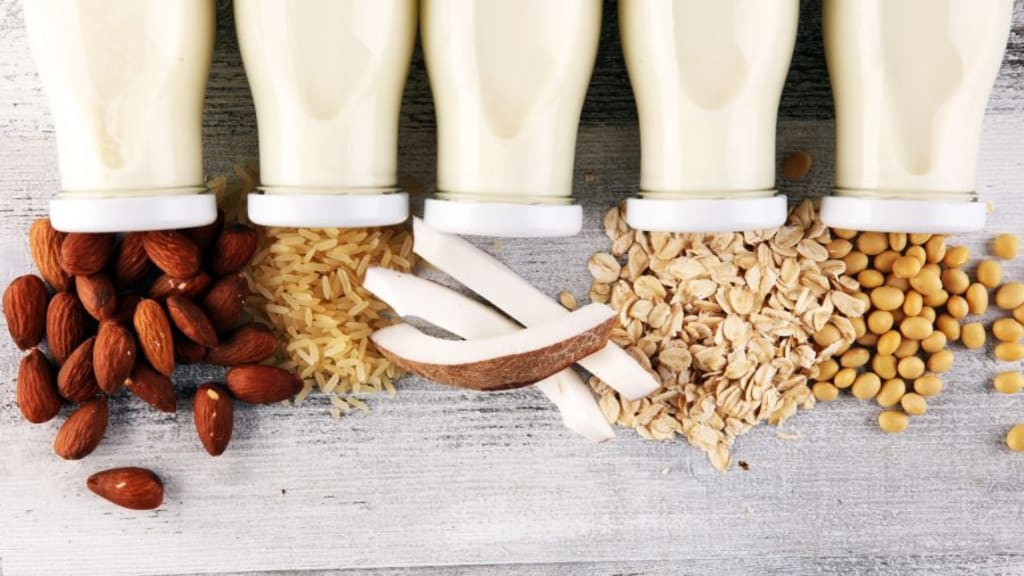
According to IMARC Group's latest research publication, The global plant-based beverages market size was valued at USD 33.17 Billion in 2024. The market is projected to reach USD 62.12 Billion by 2033, exhibiting a CAGR of 7.16% from 2025-2033.
How AI is Reshaping the Future of Plant-Based Beverages Market
- Finding the Best Ingredients and Recipes: AI can study millions of plant protein combinations to create better-tasting dairy alternatives. Platforms like NotCo’s Giuseppe find the best ingredient mixes quickly, cutting formulation time from years to months while improving taste and nutrition.
- Understanding What Consumers Want: Machine learning can read social media, loyalty programs, and shopping habits to predict new flavor trends. Tools like Kerry’s Trendspotter track trends in 50+ markets, helping brands launch products that match consumer preferences before competitors.
- Ensuring Quality and Great Taste: AI uses computer vision to spot defects in production more accurately than humans. It also analyzes ingredients to make sure plant-based products taste good and have a consistent texture, even when adding special ingredients like adaptogens or functional additives.
Plant-Based Beverages Industry Overview
The plant-based beverage market is growing quickly because consumers care more about health, sustainability, and ethical choices. Over 65% of adults worldwide are lactose intolerant, so demand for dairy alternatives is high. Big companies are investing in this space. Danone bought Kate Farms, and PepsiCo launched Poppi and Pepsi Prebiotic to enter functional drinks. In 2025, Silk released a high-protein line with 50% more protein, and Asahi introduced LIKE MILK, Japan’s first allergen-free milk alternative. These moves show the industry is focusing on functional, protein-rich drinks that offer more health benefits than regular beverages.
Plant-Based Beverages Market Trends & Drivers
More people are focused on health and diet, with many avoiding lactose—almost two-thirds of the world’s population are lactose intolerant. Plant-based drinks are naturally cholesterol-free, low in saturated fat, and often fortified with vitamins and minerals. They appeal to people with allergies, flexitarians, and those who want clean labels and minimally processed foods. High-protein drinks with added fiber, probiotics, and nutrients are becoming very popular, with online searches for these products growing 105% in one year.
Plant-based beverages are no longer just dairy alternatives—they now target specific health benefits. Drinks may include ingredients for stress relief (ashwagandha, reishi), digestion (prebiotics, probiotics), mental focus (nootropics), and energy (yerba mate, matcha). For example, Minor Figures Hyper Oat has turmeric, vitamin D, and adaptogens, and PepsiCo Propel Clear Protein contains protein, fiber, and electrolytes. This “function stacking” trend lets one drink deliver multiple health benefits, appealing especially to younger, health-conscious consumers.
Plant-based beverages are becoming easier to buy thanks to e-commerce and retail expansion. Over 90% of North Americans shop online, finding niche brands, reading reviews, and subscribing for home delivery. Supermarkets and hypermarkets are also increasing shelf space for dairy alternatives. In the UAE, the number of stores grew 3.58% to 2,370 locations by May 2025. Brands like Maïzly are launching new products like corn milk in mainstream stores, making allergen-free and clean-label drinks more accessible.
Leading Companies Operating in the Global Plant-Based Beverages Industry
- Blue Diamond Growers
- Califia Farms LLC
- Coca-Cola HBC
- Danone
- Drink Koia Online
- Harmless Harvest
- Noumi Ltd.
- PureHarvest
- Ripple Foods
- SunOpta
- Vitasoy International Holdings Ltd
Plant-Based Beverages Market Report Segmentation
By Type:
- Soy-based
- Coconut-based
- Almond-based
- Rice-based
- Oats-based
- Hemp-based
- Hazelnut-based
- Cashew-based
- Flax-based
Almond-based held 44.2% of the market share in 2024, driven by its nutritional profile, mild flavor versatility, and sustainable cultivation practices.
By Product:
- Plain
- Flavored
Based on the product, the market has been segmented into plain and flavored varieties, catering to diverse consumer preferences.
By Distribution Channel:
- Supermarkets and Hypermarkets
- Convenience Stores
- Specialty Stores
- Online Stores
Online stores are experiencing rapid growth due to convenience, wide product selection, and targeted digital marketing reaching health-conscious consumers.
Regional Insights:
- North America (United States, Canada)
- Asia Pacific (China, Japan, India, South Korea, Australia, Indonesia, Others)
- Europe (Germany, France, United Kingdom, Italy, Spain, Russia, Others)
- Latin America (Brazil, Mexico, Others)
- Middle East and Africa
Asia-Pacific exhibits clear dominance in the plant-based beverages market with 67.0% market share in 2024, driven by traditional consumption of soy and rice milk, large population, and rising health awareness.
Recent News and Developments in Plant-Based Beverages Market
- December 2025: Maïzly expanded its corn milk product line across New York retailers with refrigerated offerings, marking a significant step in making corn-based dairy alternatives a mainstream choice for allergen-conscious consumers seeking gluten-free, nut-free, and seed-oil-free options.
- November 2025: Silk launched its upgraded Silk Protein plant-based dairy line featuring 50% more protein (13 grams per serving), added fiber, and reduced sugar compared to previous formulations. The high-protein launch strengthens the brand's position in functional plant-based beverages targeting health-conscious consumers.
- November 2025: PepsiCo introduced Pepsi Prebiotic in Original Cola and Cherry Vanilla flavors following its acquisition of Poppi. Each 12-ounce can contains 3 grams of prebiotic fiber, 5 grams of sugar, and no artificial sweeteners, expanding functional beverage options for gut health.
- July 2025: Danone North America completed its acquisition of Kate Farms, a leading manufacturer of plant-based nutritional shakes. The strategic deal expands Danone's clinical and specialty nutrition portfolio while supporting the company's broader strategy to scale premium plant-based beverage offerings.
- April 2025: Asahi Group introduced LIKE MILK, Japan's first yeast-derived, allergen-free milk alternative that eliminates all 28 major allergens. The innovative product provides protein and calcium levels comparable to dairy milk while supporting Japan's transition toward sustainable and inclusive beverage options.
Note: If you require specific details, data, or insights that are not currently included in the scope of this report, we are happy to accommodate your request. As part of our customization service, we will gather and provide the additional information you need, tailored to your specific requirements. Please let us know your exact needs, and we will ensure the report is updated accordingly to meet your expectations.
About the Creator
Suhaira Yusuf
I specialize in Consumer Insights, focusing on transforming detailed market data into strategic business solutions that accelerate growth and improve customer engagement.
Keep reading
More stories from Suhaira Yusuf and writers in Futurism and other communities.
Saudi Arabia Freeze-Drying Equipment Market: Pharmaceutical Demand, Food Processing & Growth
According to IMARC Group's latest research publication, Saudi Arabia freeze-drying equipment market size reached USD 22.0 Million in 2024. The market is projected to reach USD 40.1 Million by 2033, exhibiting a growth rate of 6.2% during 2025-2033.
By Suhaira Yusuf12 days ago in Futurism
About Binding Prometheus
I want to start actively advocating on behalf of my own work, and the most valuable part of my canon is, without a doubt, Binding Prometheus, the play I have been working on since 2019 and only finished in 2023 as part of my MA. The play itself is an amalgamation of a million different inspirations. On one end, it evokes the Ancient Greek myth-play, deriving its own title from the earliest extant work of Western drama we have, Aeschylus’s Prometheus Bound. On the other end, it borrows significantly from the sci-fi bulwarks from over the years, namely Mary Shelley’s Frankenstein and Karel Capek’s Rossum’s Universal Robots. The play could be an episode of Black Mirror, I fear. I don’t know. I’ve only ever seen one episode of Black Mirror.
By Steven Christopher McKnightabout a month ago in Futurism
Hey Aye
Introduction This is still relevant. It's eleven thirty post meridian in Newcastle upon Tyne. Maybe I should be going to bed, but in half an hour I can do my next Wordle play and share it with my friends. Still, I am just going to put some unresearched (apart from my own experience) thoughts on how we are affected by the growing spectre and bogeyman that goes by the name of AI (Artificial Intelligence).
By Mike Singleton 💜 Mikeydred 4 days ago in Futurism




Comments
There are no comments for this story
Be the first to respond and start the conversation.