
Peak Design’s New Phone Straps Might Be the First “Mobile Strap” System That Feels Truly Premium
A clever micro-anchor latch (rated to 50 lbs) powers three new straps—crossbody and wrist—designed for quick access, mobile photography, and less pocket stress.

What Happened (Facts)
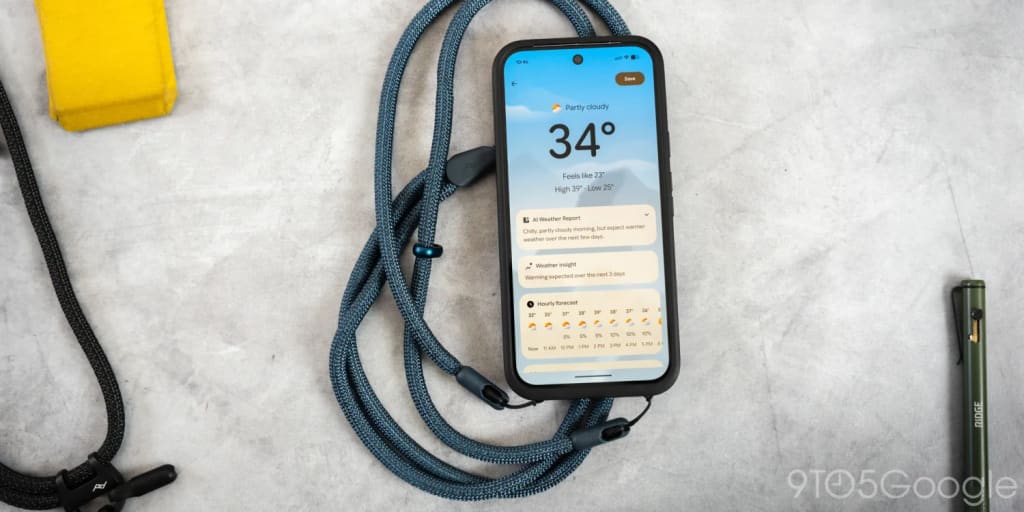
Phone straps—especially crossbody options—are becoming a bigger accessory trend, driven by a mix of practical needs (limited pocket space, commuting, travel) and lifestyle habits (always-on photography, quick access to a device). In that context, Peak Design—best known for high-quality photography straps and camera gear—has expanded its mobile lineup with three new phone strap products built around a single new mechanism: a redesigned attachment system called the micro anchor.
The core innovation: the micro anchor latch
Peak Design’s new straps rely on a small, pill-shaped attachment point called the micro anchor, which connects to a phone (or small camera) via a tiny corded loop. That pill then locks into Peak Design’s strap mounts using a spring-loaded ball bearing. Peak Design rates the system to withstand 50 lbs of force, positioning it as a secure, confidence-inspiring connection point despite its small size.
Unlike some phone strap solutions that require a specific case ecosystem, these new straps are described as not being limited to Peak Design cases—a notable point for users who don’t want to change their case just to use a strap.
The three products
All three use the same latching system:
Crossbody Multi-Strap
Designed to handle multiple items at once—examples include earbuds, a phone, and other accessories—as long as you can attach a micro anchor.
Includes a clip/attachment area that can hold multiple anchors and uses a slider mechanism to release them.
Crossbody Strap (single device)
A simpler crossbody option with two anchor points attached to one item (phone or small camera).
The focus is carry + quick access, without the multi-item configuration.
Mobile Cuff (wrist strap)
A wrist-based strap option, positioned as the best value of the three.
Uses an aluminum buckle solution (not plastic), and tightens using a bead friction mechanism.
Materials and build impressions
The straps themselves use a corded fabric similar to Peak Design’s stronger camera accessories (notably compared to the company’s Cuff Rope). The reviewer notes that compared with other rope straps, these felt more skin-friendly, and that the hardware matches Peak Design’s usual aesthetic: utilitarian but refined.
A key detail: a small anodized metal bead provides friction to stop the strap from tightening too far—used on the wrist cuff and crossbody ropes. The Multi-Strap’s clip mechanism is described as satisfying to use, with a clean slider release.
Drawback noted
The reviewer’s main complaint is that the buckle solution on the crossbody straps is plastic, while the wrist cuff uses aluminum. This isn’t framed as a functional failure, but as a missed opportunity for a more premium feel consistent with Peak Design’s reputation.
Pricing
Crossbody Multi-Strap: $59.95
Crossbody Strap: $49.95
Mobile Cuff: $29.95
Overall, the reviewer concludes the straps are a “classy but purpose-built” option, especially for scenarios like mobile photography where dropping a phone is not an acceptable risk.
What Is Analysis (Interpretation)
Peak Design’s move matters less because “phone straps exist” (they already do) and more because it suggests the category is shifting from novelty to systems-level accessory design.
1) The latch system is the real product
Most phone straps are basically fabric plus a connector. Peak Design’s differentiator is the micro anchor ecosystem—a small hardware interface designed to be secure, fast, and modular. That’s a classic Peak Design move: treat a simple category as an engineering problem and solve it with an attachment standard.
If the micro anchor really holds up in daily abuse—tugging, snagging, repeated latching/unlatching—it could become the reason people choose Peak Design over dozens of cheaper strap brands. A strap is easy to copy; a reliable locking interface with good ergonomics is harder.
2) “Not locked to a case” is a competitive advantage
Accessory ecosystems often trap users. If a strap only works with a specific case, you’re basically committing to a brand stack. The fact that these straps are presented as not limited to Peak Design cases lowers friction dramatically.
That matters because many people already have a favorite case brand (or need a particular type: rugged, thin, MagSafe-compatible alternatives, etc.). Peak Design positioning this as case-agnostic expands the addressable market.
3) Why crossbody straps are trending at all
This trend isn’t random. Phones are larger, pockets haven’t improved, and people use devices more like “wearables” than tools—especially for photography, navigation, payments, and messaging. Crossbody carry solves three modern annoyances:
Access: you can grab the phone quickly without digging
Security: less drop risk, less “left it on the table” risk
Comfort: reduces pocket bulk, especially for commuters
Peak Design is essentially betting that phones are now everyday carry objects worth treating like cameras: something you attach, secure, and keep ready.
4) The Multi-Strap hints at the next step: modular carry
The Multi-Strap isn’t just a phone strap—it’s a small carry rig. The moment you can attach earbuds, keys, or a tiny camera to the same system, it becomes a lightweight alternative to pockets or a small bag.
That’s also where Peak Design’s strengths show up: it understands how people carry gear. If the micro anchor becomes common across more accessories, you could imagine users building a mini “clip-in” ecosystem around it.
5) The plastic buckle complaint is small—but telling
On paper, a plastic buckle isn’t a deal-breaker. In practice, Peak Design customers often buy the brand specifically for that “hardware confidence” feeling. So the criticism is not just about materials; it’s about brand consistency.
In premium accessories, tactile quality is part of the value proposition. A plastic buckle in the most visible handling point can subtly weaken the product’s “I trust this with my expensive device” vibe—even if the actual load-bearing system (the anchor latch) is extremely strong.
6) Who should buy which one?
Mobile Cuff ($29.95): best entry point; great for people who want drop protection without committing to crossbody carry.
Crossbody Strap ($49.95): best for commuters and mobile photographers who want fast access and hands-free carry.
Multi-Strap ($59.95): best for users who like modular setups and want a single strap to carry multiple small essentials.
Bottom line
The biggest takeaway is that Peak Design didn’t just add phone straps—it added a mini hardware platform that could scale into other mobile accessories. If the micro anchor holds up over time, Peak Design may end up doing for phone carry what it already did for camera carry: turning a simple strap into an object people trust—and want to keep using across devices.
About the Creator
Keep reading
More stories from Behind the Tech and writers in Futurism and other communities.
Samsung Galaxy Unpacked 2026: What to Expect From the Galaxy S26 Event
What Happened (Facts) Samsung’s first Galaxy Unpacked event of 2026 is scheduled for Feb. 25 in San Francisco, with the presentation set to begin at 1 p.m. ET / 10 a.m. PT, according to the live coverage preview shared by Gizmodo’s team (Raymond Wong, Kyle Barr, and James Pero).
By Behind the Techabout 3 hours ago in Futurism
Echoes
I stepped carefully around the corner, the familiar sights and sounds hitting me like a brick to the face. My eyes watered. I could practically see us, all of us, back then, clustered around the outdoor tables in front of the pizza shop, the bar, the coffee shop. I could smell the various stalls from the events we’d been to on this street. I could taste the churros and nachos.
By Phoenixica24a day ago in Fiction




Comments
There are no comments for this story
Be the first to respond and start the conversation.