
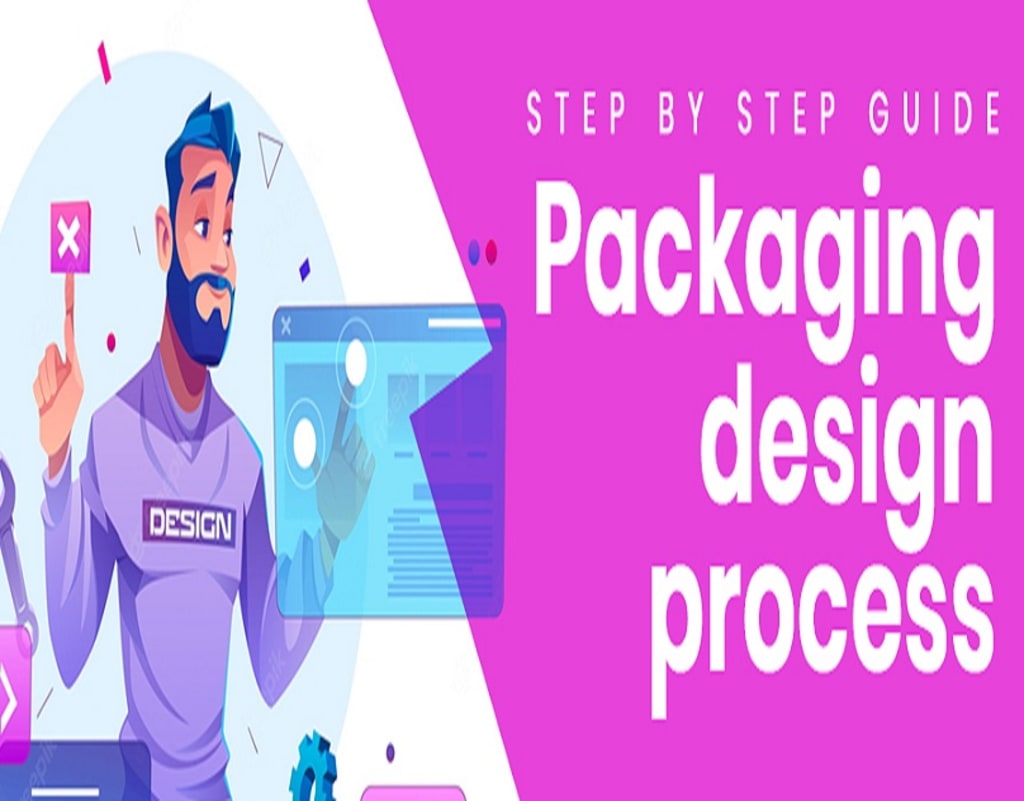
The packaging design process is a crucial step in creating effective and appealing packaging for products. It involves a series of steps that ensure the packaging meets the requirements of both the product and the target audience. In this article, we will explore the packaging design process in detail.
1. Research and Analysis: The first step in the packaging design process is conducting thorough research and analysis. This includes understanding the product, its features, and its target market. The designer needs to identify the key competitors and analyze their packaging strategies. Researching consumer preferences and trends in the industry is also essential.
2. Define Objectives: Once the research is complete, the designer needs to define the objectives of the packaging design. This includes determining the desired brand image, considering the product's positioning, and identifying the packaging's functional requirements, such as protection, ease of use, and transportation.
3. Concept Development: In this phase, the designer generates multiple packaging concepts. These concepts explore different visual and structural ideas that align with the defined objectives. Sketching, brainstorming, and creating mood boards are common techniques used during this stage to stimulate creativity and generate a variety of ideas.
4. Refinement and Selection: After the concept development phase, the designer narrows down the options to a few promising designs. These designs are refined and iterated upon, considering factors like aesthetics, practicality, and brand consistency. The designer may create digital mockups or 3D prototypes to visualize the packaging in a more realistic manner.
5. Graphic Design and Branding: Once the packaging structure is finalized, the focus shifts to graphic design and branding elements. This involves creating the visual identity, including the logo, typography, color scheme, and imagery. The designer ensures that the packaging design aligns with the brand's overall visual language and communicates the desired brand message effectively.
6. Material Selection: Selecting the right materials for packaging is crucial for both functional and sustainability reasons. The designer considers factors such as durability, cost-effectiveness, environmental impact, and regulatory requirements. They may collaborate with packaging engineers and suppliers to choose the most suitable materials that align with the design and product requirements.
7. Prototyping and Testing: Before finalizing the design, it's essential to create physical prototypes of the packaging. Prototypes allow designers to test the structure, functionality, and aesthetics of the packaging in real-world scenarios. Usability testing, focus groups, and consumer feedback can be valuable in identifying any necessary improvements or adjustments.
8. Production and Implementation: Once the design is approved and all necessary revisions are made, the packaging moves into production. The designer works closely with manufacturers or packaging suppliers to ensure the design is executed correctly. They may create detailed specifications, provide guidance during production, and perform quality control checks to ensure the final product meets the desired standards.
9. Evaluation and Iteration: After the packaging is launched in the market, it's essential to evaluate its performance and gather feedback from consumers, retailers, and stakeholders. This feedback helps identify any areas for improvement or potential design iterations. The packaging design process is iterative, and continuous improvement is key to maintaining relevance and competitiveness in the market.
In conclusion, the packaging design process involves several interconnected stages, from research and analysis to implementation and evaluation. Each step requires careful consideration of the product, target audience, branding, materials, and functionality. By following this process, designers can create packaging that not only enhances the product's appeal but also effectively communicates the brand's values and meets the needs of consumers.
About the Creator
About Binding Prometheus
I want to start actively advocating on behalf of my own work, and the most valuable part of my canon is, without a doubt, Binding Prometheus, the play I have been working on since 2019 and only finished in 2023 as part of my MA. The play itself is an amalgamation of a million different inspirations. On one end, it evokes the Ancient Greek myth-play, deriving its own title from the earliest extant work of Western drama we have, Aeschylus’s Prometheus Bound. On the other end, it borrows significantly from the sci-fi bulwarks from over the years, namely Mary Shelley’s Frankenstein and Karel Capek’s Rossum’s Universal Robots. The play could be an episode of Black Mirror, I fear. I don’t know. I’ve only ever seen one episode of Black Mirror.
By Steven Christopher McKnight15 days ago in Futurism
Egypt Meat Market: Urban Consumption Growth, Price Volatility & Industry Outlook
According to IMARC Group's latest research publication, Egypt meat market size reached USD 5.00 Billion in 2024. The market is projected to reach USD 5.90 Billion by 2033, exhibiting a growth rate of 1.91% during 2025-2033.
By Abhay Rajput3 days ago in Futurism


Comments
There are no comments for this story
Be the first to respond and start the conversation.