
New Breakthrough in Solar Energy: Transforming Hydrogen Production
"Solar Discovery: Revolutionizing Clean Energy," showcasing solar hydrogen production in a futuristic


The world is experiencing an energy revolution, which has been fueled by revolutionary solar technology discoveries. Recent breakthroughs have enabled new approaches to extracting hydrogen from solar energy. The article explores these innovations and their impact on the realization of sustainable energy, which may also help change our energy future.
Challenge of Efficient Hydrogen Production
The fact is, the production of hydrogen has so far involved carbon-intensive production techniques; for example, the currently used steam methane reforming. Electrolysis can be powered using renewable sources of energy but it comes with inefficiencies and associated high costs.
Why Solar Energy is the Way End
Solar energy, which is available in large proportions and decreasingly in price provides a viable input for sustainable hydrogen production: directly using sunlight in a water-splitting process reduces the efficiency and environmental burdens associated with hydrogen generation.
Innovative Technologies in Solar-Driven Hydrogen Production
Photoelectrochemical (PEC) Water Splitting
PEC technology uses a photoelectrode which absorbs sunlight and directly cleaves water molecules to split hydrogen and oxygen. Research in PEC materials perovskites, for example, and metal oxides has greatly improved light absorption and catalytic efficiency.
Solar Thermal Water Splitting
CSP systems are used to produce hydrogen via a thermal water-splitting approach. CSP systems can produce ultra-high temperatures that facilitate efficient thermochemical decomposition of water molecules.
Hybrid Solar Systems
Hybrid systems combine photovoltaic cells with electrolyzers to optimize energy use. These systems allow for simultaneous electricity generation and water splitting, maximizing solar energy utilization.

Key Advantages of Solar Hydrogen Production
- Carbon Neutrality: Solar-powered processes eliminate greenhouse gas emissions associated with conventional hydrogen production.
- Scalability: Advances in solar technology make large-scale hydrogen production more feasible.
- Cost-Effectiveness: As solar energy becomes more affordable, the economic viability of solar hydrogen improves.
Challenges and Future Directions
Despite its promise, solar hydrogen production faces several challenges:
- Material Durability: Photoelectrodes and other materials must be able to resist long-term exposure to sunlight and water.
- Energy Conversion Efficiency: Current technologies still need to be optimized for commercial viability.
- Infrastructure Development: Widespread adoption of hydrogen energy requires large investments in storage and distribution systems.
Research Focus Areas
To overcome these challenges, research is focused on developing:
- Advanced catalysts that increase reaction efficiency.
- Durable materials are resistant to corrosion and wear.
- Integrated systems for seamless energy conversion and storage.
The Path Forward: Integrating Solar Hydrogen in the Energy Ecosystem
The Path Forward: Integrating Solar Hydrogen in the Energy Ecosystem
- Powering Transportation: Hydrogen fuel cells can power vehicles without emissions, reducing reliance on fossil fuels.
Industrial Applications: Clean hydrogen can replace carbon-intensive processes in industries like steel and chemical production.
- Energy Storage: Hydrogen acts as a potential means for storing excess solar energy.
Focus: Solar Discovery
It can, thus transform the entire global energy map with this latest finding by the solar discovery. That is why it draws one's attention to this marvellous potential for solar technology. It provides innovative clean sources of energy. There will be milestones in producing hydrogen, along with setting standards for a sustainable worldwide scenario.
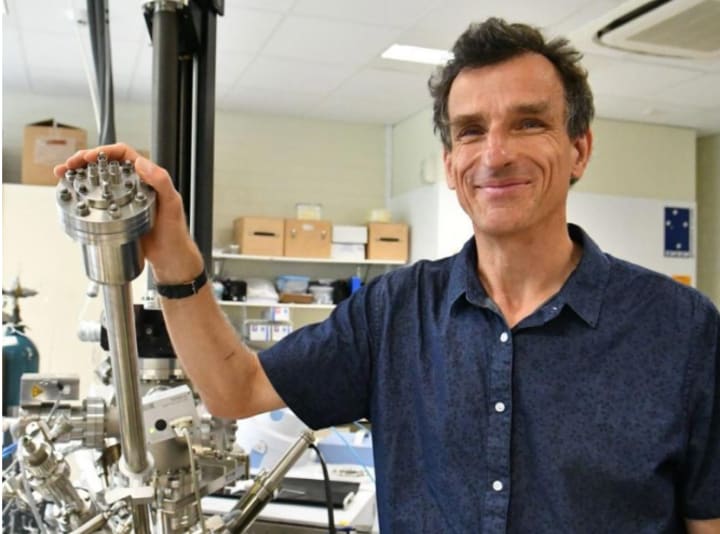
Tapping Sun's Energy
The most recent solar discovery emphasizes the ability to efficiently convert solar energy into hydrogen through advanced technologies. These innovations are crucial in addressing the limitations of current energy systems while promoting environmental sustainability. The new methodologies, including photoelectrochemical water splitting and hybrid solar systems, represent a leap forward in maximizing solar energy's impact.
Expanding Research and Development
Global efforts are intensifying to expand the scope of solar discoveries and their applications. Researchers are exploring novel materials, improved energy conversion techniques, and integrative technologies to ensure that solar discoveries transition smoothly from laboratories into practical, large-scale implementations. This focus is very important for sustainable future energy demands.
The Role of Policy and Industry Collaboration
Capitalization on discoveries would be a result of solar discoveries when governments and industries work hand-in-hand. Policies that encourage solar research, in addition to investing in renewable infrastructure, remain key drivers in accelerating the adoption process. The co-working relationship between scientists, engineers, and policymakers makes sure that the benefits derived from solar discoveries reach everyone, thus making sustainable energy reachable to all.
Vision for the Future
Solar discovery is more than technology; it is a means to an end where there is abundant, clean energy, and equity. All these discoveries can help reduce climate change, increase security in energy, and build economic opportunities on a global scale.
Conclusion: A Leap to the Future of Sustainability
The recent breakthroughs in solar-driven hydrogen production mark a critical step toward a sustainable energy future. These innovations, harnessed from the power of the sun, will significantly reduce carbon emissions and provide clean, efficient, and scalable energy sources. Continued research and investment could make solar hydrogen the potential revolutionary force for changing energy systems and contributing to a greener planet.
About the Creator
Usman Zafar
I am Blogger and Writer.
Keep reading
More stories from Usman Zafar and writers in Futurism and other communities.
HRW Accuses Israel of War
Human Rights Watch (HRW) recently accused Israel of war crimes in Gaza, including "forcible transfer" and "ethnic cleansing”. HRW based the report on interviews with displaced Gazans and satellite imagery that it says indicates evacuation orders and military actions by Israel are unjustified under international humanitarian law. The report points to areas like the Philadelphi and Netzarim corridors, where Israel has reportedly cleared vast sections for security zones. These measures, HRW says, are to make the Palestinians permanently homeless, an act that would then amount to ethnic cleansing. Here is a fully expanded version of this story blog on these developments:
By Usman Zafarabout a year ago in Futurism
Claude Code vs. Cursor: 8 Quiet Commands That Turn Claude Into a Monster Dev Tool
Claude Code vs Cursor is the debate I didn’t expect to care about. Then one night around 1:30 a.m., with a broken test suite and a deadline laughing in my face, I realized something: the fight isn’t “which editor is better?”
By abualyaanart4 days ago in Futurism
Beyond the Spark
Introduction: The Silent Reservoirs of Potential The universe is replete with systems that quietly store vast amounts of energy, often beyond immediate perception. From the electromagnetic fields within our electrical grids to the tectonic stresses locked in Earth's crust, these reservoirs of potential energy are maintained in delicate balances—metastable states—until a trigger causes them to unleash catastrophic cascades. Recognizing and understanding these reservoirs is crucial, not merely as a theoretical exercise but as a window into the subtle vulnerabilities of our technological and natural environments.
By Peter Thwing - Host of the FST Podcast2 days ago in Futurism




Comments
There are no comments for this story
Be the first to respond and start the conversation.