
Middle East Real Estate Market: Smart Cities, Infrastructure Push & Growth Outlook
How rising expatriate populations, tourism growth, and luxury housing demand are driving premium residential and mixed-use developments in the Middle East real estate market.

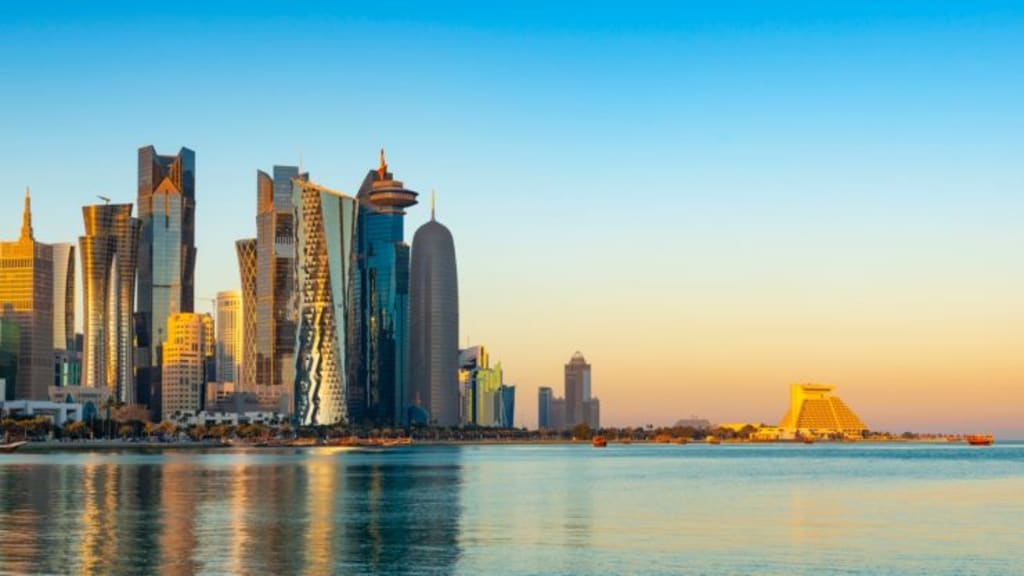
According to IMARC Group's latest research publication, Middle East real estate market size reached USD 420.5 Billion in 2025. Looking forward, IMARC Group expects the market to reach USD 849.0 Billion by 2034, exhibiting a growth rate (CAGR) of 8.12% during 2026-2034.
How AI is Reshaping the Future of Middle East Real Estate Market
- AI tools deliver precise property valuations using real-time data, helping buyers and investors cut risks while platforms like Bayut's TruEstimate handle over 500,000 valuations with strong accuracy in the UAE.
- Virtual tours and AI recommendations boost buyer engagement significantly, with properties featuring these features seeing up to 35% higher interaction and faster sales conversions across Dubai and Riyadh markets.
- Smart building systems powered by AI reduce energy use by as much as 30% in commercial properties, supporting sustainability goals in major developments and lowering operational costs for owners and tenants alike.
Middle East Real Estate Market Trends & Drivers:
The Middle East real estate market continues to experience sustained momentum driven by economic diversification efforts away from oil dependency, particularly through ambitious national visions in key countries. Large-scale infrastructure projects and urban development initiatives create substantial demand for residential, commercial, and mixed-use properties. Population growth from expatriate inflows and domestic migration fuels housing needs, while government policies promoting foreign investment and ownership reforms enhance accessibility for international buyers. These factors support resilient transaction activity and investor confidence across the region, fostering a shift toward more structured and long-term development rather than short-term speculation. Overall, the market remains in an accelerating phase in early 2026, with strong fundamentals underpinning continued expansion in major hubs.
Increased focus on sustainability and quality-of-life features shapes emerging preferences among buyers and developers alike. Projects increasingly incorporate eco-friendly designs, energy-efficient technologies, and community-oriented amenities to align with global standards and regulatory pressures on emissions reporting. This trend appeals to high-net-worth individuals and institutional investors seeking resilient, future-proof assets amid climate considerations. In parallel, the rise of experiential and transit-oriented developments emphasizes livability, location convenience, and integrated urban planning. Such elements differentiate premium offerings in competitive markets, attracting end-users who prioritize long-term value over pure financial returns. This evolution reflects a maturing sector adapting to demographic shifts and evolving lifestyle expectations.
Regulatory enhancements and monetary easing play pivotal roles in bolstering market accessibility and liquidity. Reforms allowing greater foreign ownership in designated areas, combined with favorable mortgage conditions and reduced barriers to entry, stimulate broader participation from diverse investor groups. Anticipated policy rate adjustments improve credit availability, supporting both end-user purchases and institutional allocations toward high-demand sectors like logistics, hospitality, and residential living products. These measures contribute to a more balanced and inclusive environment, encouraging sustained inflows of capital while promoting economic stability. As a result, the region positions itself as an attractive destination for global real estate interest, with ongoing infrastructure commitments reinforcing long-term growth prospects.
Middle East Real Estate Industry Segmentation:
The report has segmented the market into the following categories:
Property Insights:
- Residential
- Commercial
- Industrial
- Land
Business Insights:
- Sales
- Rental
Mode Insights:
- Online
- Offline
Country Insights:
- Saudi Arabia
- Turkey
- Israel
- United Arab Emirates
- Iran
- Iraq
- Qatar
- Kuwait
- Oman
- Jordan
- Bahrain
- Others
Competitive Landscape:
The competitive landscape of the industry has also been examined along with the profiles of the key players.
Recent News and Developments in Middle East Real Estate Market
- February 2026: Dubai's real estate brokers adopt PropTech innovations, with AI-driven tools and digital platforms enhancing transaction efficiency and transparency following record 2025 volumes.
- February 2026: Saudi Arabia implements foreign property ownership reforms effective January 2026, allowing non-Saudis to buy residential and commercial properties in designated zones to attract global investment.
- February 2026: Dubai advances real estate tokenisation through blockchain, with the Dubai Land Department issuing the world's first Property Token Ownership Certificate in 2025 and partnering on cryptocurrency transactions for faster, more liquid deals.
Note: If you require specific details, data, or insights that are not currently included in the scope of this report, we are happy to accommodate your request. As part of our customization service, we will gather and provide the additional information you need, tailored to your specific requirements. Please let us know your exact needs, and we will ensure the report is updated accordingly to meet your expectations.
About the Creator
Fatimah
Market research writer at IMARC Group, turning data into engaging stories. Passionate about trends, insights & real-world impact. Join me on Vocal!
Electric Truck Market Forecast: Regional Adoption, Infrastructure Rollout & Industry Outlook to 2034
Rising environmental concerns, stringent government emission norms, and the rapid advancement of battery technologies are propelling the electric truck demand, supported by falling battery costs, expanding charging infrastructure, and a global shift toward sustainable logistics. According to IMARC Group’s latest data, the global electric truck market size was valued at USD 1,070.7 Million in 2025. Looking forward, IMARC Group estimates the market to reach USD 7,737.1 Million by 2034, exhibiting a CAGR of 42.1% from 2026-2034.
By Andrew Sullivana day ago in Futurism



Comments
There are no comments for this story
Be the first to respond and start the conversation.