
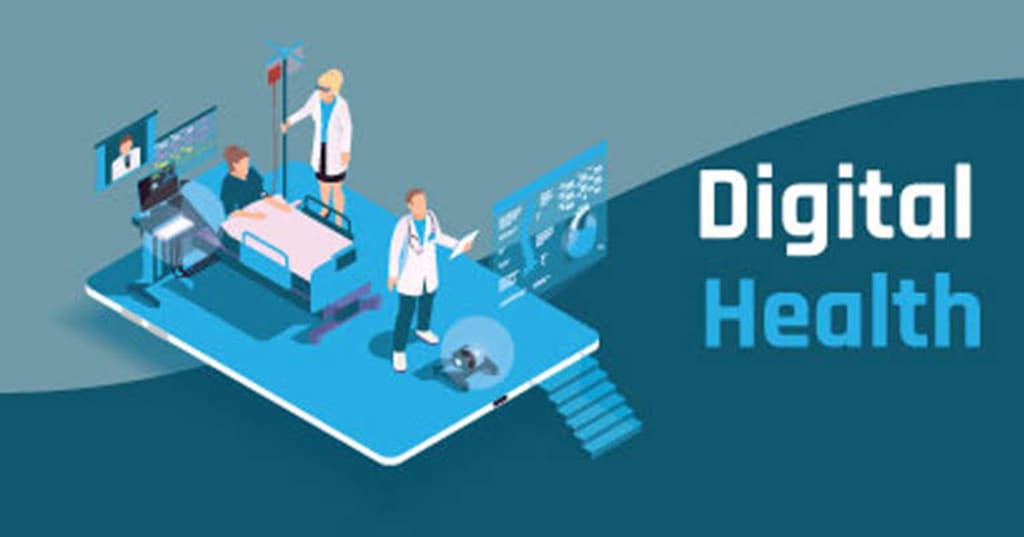
Introduction: The Digital Healthcare Revolution
Just imagine waking up with a throat ache and having the luxury to consult an approved doctor in just minutes — without leaving the warmth of your bed. What seemed like a movie script yesterday has become reality today for millions across the globe. Welcome to the telemedicine era.
In 2025, telemedicine is not a pandemic temporary measure — it's a here-to-stay and rapidly unfolding foundation of modern medicine. From remote check-ins to AI-assisted diagnoses and health apps on the go, medical care is as close as the next screen tap. But what does this portend for patients, doctors, and the health systems of the future? Let's explore.
---
The Age of Telemedicine: Why Now?
Telemedicine has long been a concept. But the COVID-19 pandemic gave the impetus to its rapid rollout globally. One night, suddenly, there was a need to be treated in the home — and doctors had to catch up fast.
Now, in 2025, pervasive high-speed connectivity, smart devices, improved software, and changing cultural mindsets towards convenience have made telemedicine a default option for tens of millions of individuals.
According to the World Health Organization, over 65% of non-emergency consultations in industrialized countries are already conducted remotely, and numbers are increasing rapidly in developing countries.
---
What Can Be Done Through Telemedicine?
Telemedicine is not a video call. Here's what it can include:
Virtual check-ins with primary care physicians or specialists
Remote monitoring of chronic conditions (e.g., diabetes, high blood pressure)
Video or chat mental health counseling
E-prescribing and electronic follow-ups
AI-based symptom checkers and early diagnosis
Mobile health apps tracking everything from sleep to heart rate
These services reduce travel needs, save time, and increase access — especially in rural or underserved areas.
---
The Benefits: Why It Works
1. Convenience and Speed
Patients no longer have to wait in crowded waiting rooms or drive for hours. Telehealth comes to your fingertips — literally.
2. Greater Access to Specialists
A patient from a rural town can be seen by a neurologist at one of the top city hospitals without spending money on travel and lodging.
3. Reduced Healthcare Expense
Less overhead costs at a clinic mean cheaper care. Telemedicine also saves time off work and related expenses.
4. Enhanced Chronic Disease Management
Wearable technology and mobile apps support monitoring of conditions like blood pressure, blood sugar, and heart rate, enabling doctors to track patients more frequently.
5. Access for Mental Health
Online counseling has eliminated stigma and obstacles. People are more likely to get treatment when they can discreetly, from home.
------
The Challenges: What Still Needs to Improve
While telemedicine is helpful, it has its limitations.
1. No Physical Exam
Some conditions demand hands-on diagnosis, blood tests, or imaging. Telemedicine is not yet capable of replacing office visits entirely.
2. Gap in Technology
Not all have smartphones, a stable internet connection, or the digital literacy necessary for virtual visits — especially the poor or older individuals.
3. Data Privacy Issues
Since medical sensitive information is being carried online, cyber security becomes the priority. Breeches may result in identity theft, phishing, or even worse.
4. Regulatory Concerns
Different nations have different rules about virtual care, insurance, and global consultations. Legal basis is behind the times.
5. Doctor-Patient Relationship
Some doctors and patients like the human touch of personal meetings. Trust and rapport may take a while to establish online.
---
Real-Life Examples: How Telemedicine Is Saving Lives
Telemedicine has been bringing healthcare to Tier-2 and Tier-3 cities in India with Practo and Tata Health programs.
In the United States, veterans are using the VA Telehealth System to access specialist care from across the nation.
In Africa, firms like mPharma and HelloDoctor are bridging the gap in healthcare access by SMS and mobile technology.
These are not isolated cases — they're all part of a worldwide trend toward affordable, tech-based health solutions.
---
Telemedicine and AI: A Game-Changing Duo
Artificial Intelligence is transforming telemedicine. From virtual triage bots powered by AI to X-ray, retinal scan, and skin check diagnostics, technology is speeding it up and making it more precise.
Imagine an app that checks your skin mole for cancer and instantly connects you with a dermatologist. This type of integrated care isn't fiction — it's being implemented in parts of the world.
---
What the Future Holds
By 2030, here's what experts anticipate:
70% of outpatient care will be hybrid or virtual
Virtual reality (VR) will be used in physical therapy and patient education
Remote surgery with the help of robots can become the standard
Personalized health dashboards powered by AI will provide real-time feedback about your health
Global consultations will become the norm with international telemedicine licenses
---
How to Maximize Telemedicine
If you're considering virtual care, keep the following in mind:
1. Utilize established platforms backed by licensed professionals
2. Be equipped with a stable internet connection and a quiet room
3. Keep your medical history handy during the call
4. Follow up with face-to-face visits as necessary
5. Protect your information by choosing secure, encrypted sites
---
Conclusion: A New Era of Healthcare
Telemedicine is not a replacement for traditional medicine — it's a step forward. Telemedicine brings care closer, makes it more affordable, and opens doors for those who previously were informed that doors were closed.
In 2025, your doctor really can just be a tap away. Sure, there are still issues, but the potential to revolutionize access to and quality of healthcare is a given.
So the next time you're under the weather, remember: your next appointment might be a video call away — and it could be the future of medicine.
About the Creator
Australia Bedsheet Market: Sustainability Trends, Smart Textiles & E-commerce Growth
According to IMARC Group, the Australia bedsheet market reached USD 2,316.4 Million in 2025 and is projected to grow to USD 3,130.0 Million by 2034, exhibiting a compound annual growth rate (CAGR) of 3.30% during 2026–2034. The steady expansion reflects evolving consumer preferences for comfort, sustainability, and premium home aesthetics across Australia. Rising awareness about environmentally friendly materials, increasing adoption of smart textile technologies, and expanding digital retail platforms are collectively strengthening Australia bedsheet market share. As bedding products transition from basic household essentials to lifestyle-enhancing investments, innovation and online accessibility are reshaping competitive dynamics.
By Shrestha Roy5 days ago in Futurism
Neuralink: The Dawn of the Connected Mind or the Death of Private Thought?
The Last Frontier of Privacy For centuries, the human mind has been the only truly private place left on Earth. You can hide your browser history, you can encrypt your messages, and you can wear a mask in public. But your thoughts? Those were yours alone. No algorithm could touch them, and no surveillance camera could see them.
By Priyantha Wijethunga3 days ago in Futurism




Comments
There are no comments for this story
Be the first to respond and start the conversation.