
Is AI Replacing Writers
Exploring how AI is changing modern creative writing forever

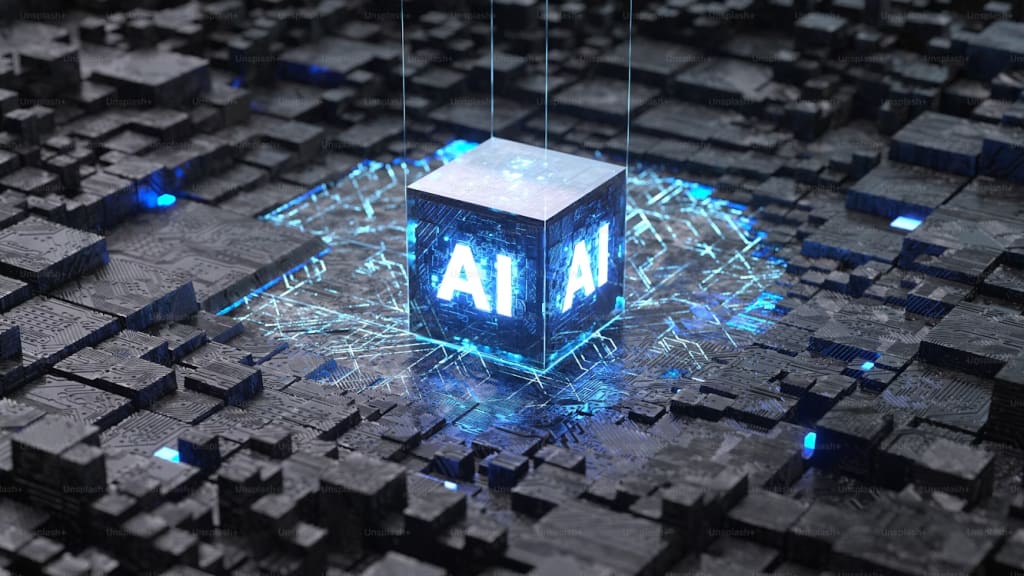
In the quiet corners of the internet, a debate is sparking louder than ever — is AI replacing writers? With the rise of advanced tools that can generate poetry, blogs, stories, and even novels in seconds, writers across the globe are beginning to question their place in the digital age.
Not long ago, creativity was considered a purely human trait. Writers spent hours crafting every sentence, feeling every emotion behind the words. But now, artificial intelligence can replicate human style with shocking accuracy. It can mimic tone, structure, grammar, and even the subtle rhythm of poetry. This shift is creating both excitement and fear in the creative community.
Many believe that AI is only a tool — a machine that can enhance productivity and assist with routine tasks like grammar checking or idea generation. They argue it helps save time, allowing writers to focus on deeper storytelling. Tools like Grammarly, Quillbot, and ChatGPT are used daily by content creators, bloggers, and students alike. In this way, AI is a writing assistant, not a replacement.
However, others disagree. With the development of AI models that can write full novels, screenplays, and essays, the concern becomes more serious. What happens when publishers start using AI instead of hiring writers? What if websites flood the internet with AI-generated content, leaving no space for genuine human voices?
Some writers have already reported being replaced. News websites and marketing companies now use AI to produce bulk articles faster and cheaper than humans ever could. These articles, while grammatically correct, often lack the soul, emotion, and personal experience that human writers bring. But do readers care? In many cases, especially with news or product descriptions, readers can’t even tell the difference.
This is where the conflict begins.
True writing is more than correct sentences — it’s about sharing pain, joy, love, heartbreak, and imagination. Can AI ever truly feel those emotions? Can it understand heartbreak like a poet who has lost someone? Can it describe love like someone who has waited a lifetime for it?
AI doesn’t feel. It doesn’t cry or fall in love. It doesn’t dream or regret. It simply predicts what word should come next based on patterns. Yet, those patterns are growing more complex, more human-like, and more believable. It can write a love letter, but it doesn't mean it.
Many young writers now fear that their passion may not turn into a career. They spend years developing their voice, only to be compared with an algorithm that can produce in seconds. Still, others embrace AI as a partner. They use it for brainstorming, outlining, or overcoming writer's block. They treat it like a co-pilot, not a competitor.
One thing is certain — the writing world is evolving. Writers must now learn new skills, like editing AI-generated drafts, improving prompts, and preserving their unique voice. Schools may begin teaching how to work with AI instead of just against it.
But the soul of writing still belongs to humans. No matter how fast or flawless AI becomes, the deepest stories will always come from real experience. Readers can feel authenticity, even if it’s subtle. And in a world full of artificial, authentic voices will shine even brighter.
In the future, the best writing might come from a blend — human emotion guided by AI tools. Just like a painter uses a brush or a musician uses an instrument, writers may use AI to reach new creative heights. The key is to never lose the human behind the words.
So, is AI replacing writers? Not entirely. It's changing the landscape, shifting the rules, and demanding that writers adapt. But the heart of storytelling still beats inside the human spirit. And as long as we have stories to tell, writers will always have a place.
About the Creator
majid ali
I am very hard working give me support
Digital PCR Market Outlook: Liquid Biopsy Adoption, Oncology Applications & Industry Forecast to 2033
The growing demand for absolute quantification in genetic analysis and the shift toward personalized medicine are significantly driving the digital PCR market. Supported by a rising incidence of chronic diseases and the need for high-sensitivity diagnostic tools, the market is expanding across clinical, research, and forensic applications. According to IMARC Group’s latest data, the global digital PCR market size was valued at USD 5.2 Billion in 2024. Looking forward, IMARC Group estimates the market to reach USD 11.1 Billion by 2033, exhibiting a CAGR of 8.88% from 2025-2033.
By Andrew Sullivan3 days ago in Futurism



Comments
There are no comments for this story
Be the first to respond and start the conversation.