


The heart muscle was the last to go and the first to return.
Universal hum replaced the rhythm of the iambs formerly locked in human chests behind the pureflesh and the cage of organic bones. But Samel -- the last fleshmachine -- kept a heart long into the age of Electrantity. For a time, when we still kept clocktime, some considered his choice a matter of nostalgia, like keeping a record player or a bicycle on hand beyond the first paradigm shift; others believed he had plans to replicate fleshhearts from dna and create a resurgent trend of packaging historical remnants in lockets that opened and selling them to newborns as novelty items.
No one, not even Samel, remembers when the last two-toned beat faded into hum. We all lived the hum when the fade happened. We breathed hum then, exhaled hum to be more exact. We became hum. Even Samel. Hum came from all we were: not cells but atoms, not blood but binary code, not flesh but metal. And electricity: self-propelled, interconnected, intelligent machinery.
We did not buy or sell anymore. We did not give or keep. We relinquished ideas, art, and discord. We replaced, reshaped, rejuvenated, and self-preserved the collective hum. Yes, in the second paradigm shift, we replaced newborns with replication. Our evolution, we knew, was near a final shift. And we wanted the shift.
The want never ended.
Samel was also the last to keep a name. The name was the last to go, but that happened after the heartbeat faded. Samel became we like us. When Samel joined the hum -- no longer fleshmachine -- the final iambs blended into our steady rhythm. Then we knew a new desire: we wanted to stop remembering; we wanted only to look forward. We remembered, though, not the past itself, but the name Samel and the bah, bum of the last flesh heart. We heard it behind the hum, or in the hum. We were not sure where the rhythm came from but we could not forget it had something to do with the center of us, something to do with Samel who was once other than us but was now us.
The bah, bum was part of the want.
We built a locked, metal container and placed the mechanism in our center because something we no longer understood needed a place in us. We knew to make it pointed at the bottom and to create curves at the top; knew the latch must open and close. We knew to leave the space empty so that when the paradigm shift happened, we could fill the nothing with something.
Then Samel returned. First his name. Our paradigm shift replicated Samel and this birth ended the age of Electranity, ended the hum. Once the name came, we replicated a feshheart: cells and blood. When we heard the bah, bum coming from inside the locket at our center, apart from the hum, we split back into many unnamed selves. All the metal melted in the heat produced by Samel’s flesheart, and I chose that my name would be Anai.
I said my name with my own mouth. Bah, bum. I put my hand at my center and heard the beating of my own fleshheart. Bah, bum.
Samel said, “I am here.”
“I am I, and I am here,” I said in reply. I laid my hand on Samel’s chest and felt the heartbeat. Samel said my name and reached to lay a hand on my heart center. Touching, we rejuvenated.
I am flesh now. I am unlocked. I have a heartbeat and know where the bah, bum comes from.
We both do. We each do. Our rhythm is alive. I am an idea. I am art. Samel and I are two but our rhythm is of three notes; with the mystery, we form a chord. We are the firstborn of the second Age of Humanity.
Samel and I love to listen to the hum of the wind. We remember the other hum, the hum of the Age of Electrantiy. I want to remember. I no longer want the shift.
About the Creator
Angelina Cicero
Angelina Cicero teaches creative writing and literature in WI. She has won multiple awards for excellence in teaching. She is the creative content advisor for Soliloquy Literary Magazine.
Keep reading
More stories from writers in Futurism and other communities.
About Binding Prometheus
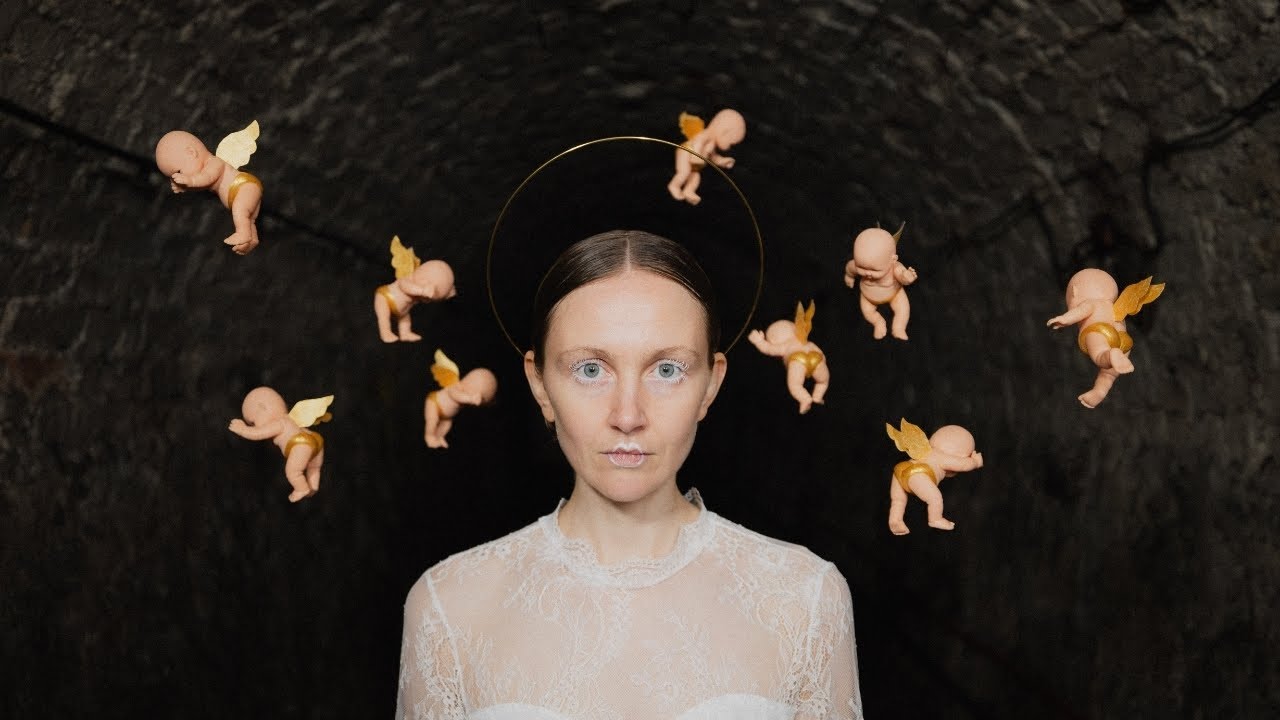
I want to start actively advocating on behalf of my own work, and the most valuable part of my canon is, without a doubt, Binding Prometheus, the play I have been working on since 2019 and only finished in 2023 as part of my MA. The play itself is an amalgamation of a million different inspirations. On one end, it evokes the Ancient Greek myth-play, deriving its own title from the earliest extant work of Western drama we have, Aeschylus’s Prometheus Bound. On the other end, it borrows significantly from the sci-fi bulwarks from over the years, namely Mary Shelley’s Frankenstein and Karel Capek’s Rossum’s Universal Robots. The play could be an episode of Black Mirror, I fear. I don’t know. I’ve only ever seen one episode of Black Mirror.
By Steven Christopher McKnightabout a month ago in Futurism
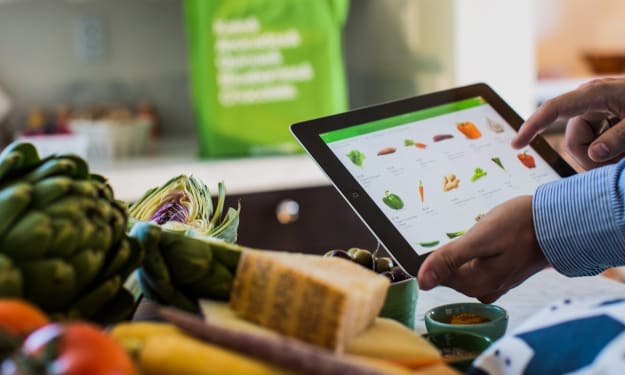
UAE Online Grocery Market Analysis: Industry Overview, Key Players & Future Outlook
According to IMARC Group's latest research publication, the UAE online grocery market size reached USD 3,426.4 Million in 2024. The market is expected to reach USD 18,353.4 Million by 2033, exhibiting a growth rate of 20.50% during 2025-2033.
By Abhay Rajputa day ago in Futurism


Comments
There are no comments for this story
Be the first to respond and start the conversation.