
I Rewatched 2000s Teen Dramas — and Here’s What They Got Right About Growing Up
Nostalgia, drama, and surprisingly real lessons from our messy, memorable teenage years

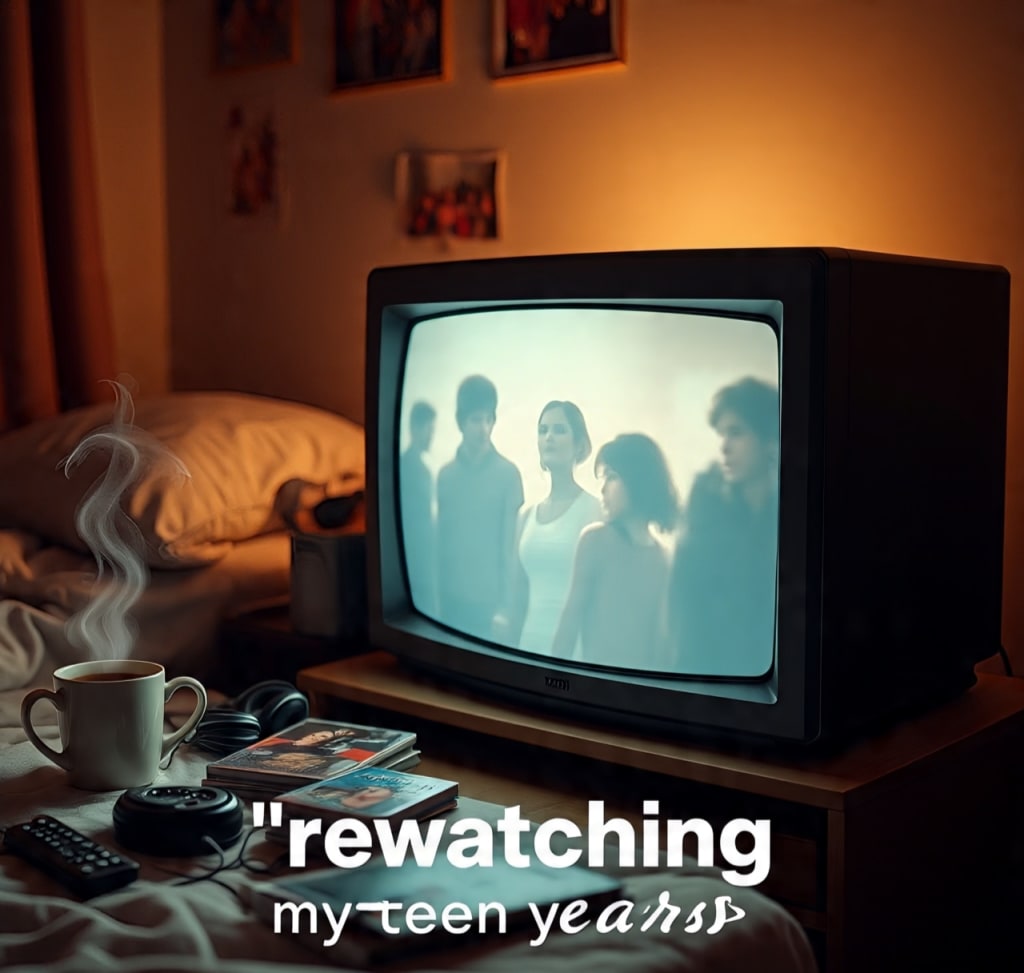
There’s something oddly comforting about revisiting the shows that once shaped your view of the world. A few weeks ago, driven by curiosity (and maybe a bit of nostalgia-fueled boredom), I found myself deep in a marathon of 2000s teen dramas — the ones that painted high school as a battleground of heartbreak, friendship, betrayal, and redemption. Shows like The OC, Gossip Girl, One Tree Hill, and Gilmore Girls didn’t just entertain me back then; they quietly laid out a blueprint for what I thought growing up would look like.
But this time, I wasn’t a teenager desperately clinging to every scene, hoping for clues about my own uncertain future. I was older, a little wiser (I hope), and ready to see what these shows actually got right about the messy, imperfect process of coming of age.
Lesson #1: Friendship rarely looks perfect — and that’s okay
Teen dramas thrive on dramatic fallout: best friends fight over the same crush, someone betrays someone else, or a secret comes out at the worst possible moment. Back then, I used to roll my eyes or think, My friends and I would never do that! But the older I get, the more I realize how fragile and resilient friendships truly are.
Life changes — college, family moves, careers — create distance. Misunderstandings snowball into silence. But like Seth and Ryan from The OC, or Brooke and Peyton from One Tree Hill, true friends can fight and still find their way back to each other. Those shows taught me it’s not the absence of conflict that makes a friendship strong, but the willingness to come back together when it matters most.
Lesson #2: Family is messy — and love doesn’t always fix everything
Watching Rory Gilmore argue with Lorelai reminded me that even the closest parent-child relationships have limits. In The OC, Ryan’s complicated bond with Sandy Cohen highlighted that family isn’t always about blood; sometimes it’s about who shows up when it matters.
As a teenager, I thought love could solve every problem. But as an adult, I see now that love helps, but it doesn’t erase pain, trauma, or bad decisions. These shows dared to show imperfect families — absent parents, strained relationships, moments when saying “I’m sorry” wasn’t enough. And in doing so, they reflected the bittersweet truth that growing up means learning to love people, flaws and all.
Lesson #3: First loves rarely last, but they shape who we become
Remember when every breakup felt like the end of the world? Watching Dan and Serena, Lucas and Peyton, or Marissa and Ryan go through their roller-coaster romances made me feel seen. At the time, these stories seemed overly dramatic — how could anyone go back and forth that many times?
Now I realize: first loves are often messy, dramatic, and unfinished. They teach us what we want, what we can’t live with, and how to walk away. The shows didn’t always get the details right (let’s be honest, some plotlines were wild), but they captured the rawness of being young and in love — the way it feels like everything and nothing at the same time.
Lesson #4: Identity is something you keep discovering
In teen dramas, characters often reinvent themselves: the outsider becomes popular, the popular kid becomes lost, the dreamer becomes jaded. Back then, I thought this was just for the sake of plot twists. But rewatching made me see the deeper truth: we never stop figuring out who we are.
Even as adults, we shift, we learn, and we surprise ourselves. Characters like Summer Roberts (The OC), who started as a shallow stereotype and became an environmental activist, remind us that change isn’t betrayal — it’s growth.
Lesson #5: Your story doesn’t have to follow anyone else’s script
One thing 2000s teen dramas did surprisingly well was show that paths diverge. Some characters go to Ivy League schools; others stay in town, chase creative dreams, or stumble into unexpected careers. The shows didn’t tie every storyline with a neat bow — sometimes characters failed, left, or simply changed course.
Growing up, I thought there was only one way to “do life” right. Watching these characters stumble, fall, and find new directions reminded me that everyone’s timeline is different. There’s no single right way to grow up, love, or find meaning.
Rewatching with older eyes
At first, I thought rewatching these shows would just be a guilty pleasure, a comforting dive into nostalgia. But I ended up reflecting on my own journey: the friendships I lost and found again, the family wounds that still ache, the loves that changed me, and the unexpected turns that led me somewhere better than I’d planned.
Maybe that’s why these shows endure, even with their melodrama and dated slang. Beneath the scandals, the perfect hair, and the lavish sets, they told stories about what it means to be human: to hope, to hurt, to love, to change. And in their own dramatic, sometimes chaotic way, they got that part exactly right.
About the Creator
Mati Henry
Storyteller. Dream weaver. Truth seeker. I write to explore worlds both real and imagined—capturing emotion, sparking thought, and inspiring change. Follow me for stories that stay with you long after the last word.
Keep reading
More stories from Mati Henry and writers in Futurism and other communities.
About Binding Prometheus
I want to start actively advocating on behalf of my own work, and the most valuable part of my canon is, without a doubt, Binding Prometheus, the play I have been working on since 2019 and only finished in 2023 as part of my MA. The play itself is an amalgamation of a million different inspirations. On one end, it evokes the Ancient Greek myth-play, deriving its own title from the earliest extant work of Western drama we have, Aeschylus’s Prometheus Bound. On the other end, it borrows significantly from the sci-fi bulwarks from over the years, namely Mary Shelley’s Frankenstein and Karel Capek’s Rossum’s Universal Robots. The play could be an episode of Black Mirror, I fear. I don’t know. I’ve only ever seen one episode of Black Mirror.
By Steven Christopher McKnight19 days ago in Futurism
Food Service Equipment Market: Smart Kitchens, Operational Efficiency & Industry Trends
According to IMARC Group's latest research publication, global food service equipment market size reached USD 40.1 Billion in 2024. Looking forward, IMARC Group expects the market to reach USD 59.6 Billion by 2033, exhibiting a growth rate (CAGR) of 4.5% during 2025-2033.
By Andrew Sullivan5 days ago in Futurism
A Dart at Dusk
Seconds ago, the sullen sun set on the two of us… my exuberant furry companion and me. A fresh breeze embraces us, delivering welcome relief from the day’s oppressive heat. His typical stumbling and staggering along — apace with a sloth — has turned into trip-trapping, high-stepping, almost skipping along.
By Angie the Archivist 📚🪶6 days ago in Petlife




Comments
There are no comments for this story
Be the first to respond and start the conversation.