
How Often Should You Replace Your Car's Timing Belt?
Don't Let a Worn Timing Belt Stall Your Ride – Here's When to Replace It

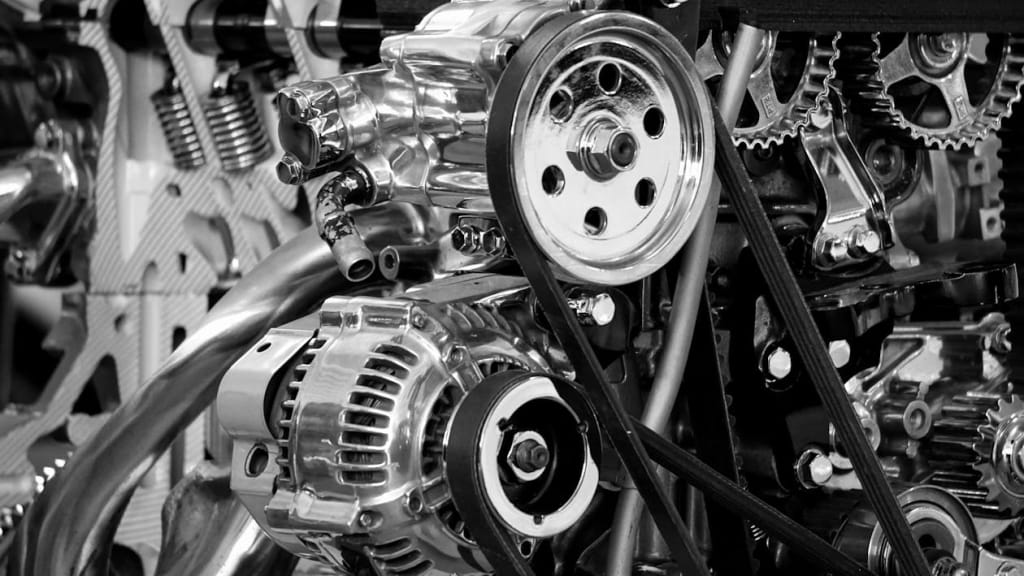
The timing belt is one of those car parts that often gets overlooked – until it’s too late. If you’ve ever experienced an engine failure, you’ll know just how crucial this seemingly small part is to your car’s overall health. But how often should you really replace your car’s timing belt? Well, let’s dive into the details.
Why Is the Timing Belt Important?
The timing belt keeps the engine's camshaft and crankshaft synchronized. This means the engine’s valves open and close at the right time for the pistons to fire properly. It's a critical component for engine performance and, without it, your engine could suffer severe damage. In simpler terms, it’s the heart of your engine’s timing system.
When it breaks or wears out, you risk damaging the other parts of car—especially the engine. Imagine your car’s engine parts working together like gears in a clock; the timing belt ensures all the gears move in sync. It’s essential for your engine to run smoothly and efficiently.
When Should You Replace Your Timing Belt?
Typically, timing belts need to be replaced every 60,000 to 100,000 miles, but this can vary based on the make and model of your vehicle. Always check your car's manual to see what the manufacturer recommends.
Here are a few signs it might be time to replace your timing belt:
Squeaking or slapping noises: A worn-out belt can cause a high-pitched squeal.
Engine misfires: If the timing is off, the engine might misfire or have trouble starting.
Oil leaks: A failing timing belt might result in oil leaks.
Visual signs of wear: If you can see cracks, fraying, or significant wear, it’s time for a replacement.
How Does the Timing Belt Affect Engine Components?
Replacing a timing belt on time isn’t just about avoiding inconvenience; it’s about safeguarding your engine components. The timing belt works closely with other key engine components like the water pump and tensioner. These parts work in harmony to ensure that the engine runs smoothly and prevents overheating. If the belt fails, it could damage the water pump, leading to bigger and more expensive repairs.
As you can see, your timing belt isn’t just a standalone part—it interacts with other crucial systems in the engine. This is why keeping an eye on its condition is so important. Check for any signs of leaks, listen for any abnormal sounds, and replace it when necessary to keep all the engine components running smoothly.

How to Avoid a Timing Belt Failure
Here are a few steps to extend the life of your timing belt and avoid major engine problems:
Regular maintenance: Regular inspections can catch problems early. Mechanics often check the timing belt during routine services.
Check for oil leaks: Oil leaks can cause the belt to slip or break. Have leaks repaired as soon as you spot them.
Replace other engine components: When replacing the timing belt, it’s a good idea to also replace related components like the water pump or tensioner.
Follow the manufacturer’s guidelines: Always replace your timing belt at the recommended intervals in your vehicle’s manual.
By staying on top of these factors, you can avoid unexpected repairs and expensive engine damage.
What Happens if You Don’t Replace the Timing Belt?
If you fail to replace the timing belt, the worst-case scenario is that it could snap, causing the engine’s pistons to collide with the valves. This can lead to bent valves, a cracked engine block, or complete engine failure. Not only will this require expensive repairs, but it could also leave you stranded on the side of the road. The last thing you want is a timing belt failure that costs you thousands in repair bills.
FAQs
Q1: Can I drive my car with a bad timing belt?
Driving with a bad timing belt is risky. It’s always best to replace it before it fails, as a broken timing belt can severely damage the engine.
Q2: How much does it cost to replace a timing belt?
The cost of replacing a timing belt can vary between $500 to $1,000, depending on your car’s make and model, as well as labor costs in your area.
Q3: How can I tell if my timing belt is broken?
Common signs of a broken timing belt include engine misfires, difficulty starting the car, or strange noises coming from the engine.
Q4: Should I replace the water pump when changing the timing belt?
Yes, it’s a good idea to replace the water pump and other related components (like the tensioner) when you change the timing belt. This ensures the entire system is in good working condition.
Q5: Can I replace the timing belt myself?
Replacing the timing belt is a complex task and requires technical knowledge. If you don’t have experience working on car engines, it’s best to leave this job to a professional mechanic.
Trust PartEazy for Premium Car Parts
When you’re in need of reliable parts of car, make sure to visit PartEazy, your go-to destination for premium car and truck parts and accessories. Whether you're a DIY enthusiast, a professional mechanic, or simply looking for affordable fixes, we offer high-quality products to keep your vehicle running smoothly.
At PartEazy, we understand that your car’s engine is only as good as the components inside it. From engine components to every other part that makes up your car’s system, we’ve got you covered. Our products are designed to keep your car in peak condition.
For your next timing belt replacement or any other car repair needs, explore the extensive range of products available at PartEazy. You’ll find everything you need to maintain your vehicle without breaking the bank.
Ready to keep your car in top shape? Visit PartEazy now!
About the Creator
Part Eazy
PartEazy is your go-to online store for premium car and truck parts. From engine components to filters and accessories, we offer quality, affordability, and fast delivery—perfect for DIYers, mechanics, and auto enthusiasts alike.
Australia Identity Verification Market: Digital Adoption, Fraud Prevention & Regulatory Compliance
According to IMARC Group, the Australia identity verification market reached USD 315.9 Million in 2025 and is projected to grow to USD 1,005.3 Million by 2034, exhibiting a compound annual growth rate (CAGR) of 13.32% during 2026–2034. The rapid digitization of financial services, e-commerce platforms, and public sector portals across Australia is creating an urgent need for secure, scalable, and compliant identity authentication systems. Increasing concerns regarding cybercrime, identity theft, and data breaches are accelerating investments in biometric technologies, AI-driven verification tools, and automated compliance platforms. As digital transformation deepens across industries, identity verification is becoming a foundational pillar of secure digital infrastructure.
By Kevin Cooper4 days ago in Futurism
Levulinic Acid Market Analysis: Specialty Chemicals, Pharma Applications & Industry Outlook to 2033
The increasing shift toward renewable chemicals, the surge in sustainable agricultural practices, and the growing application of bio-based solvents are fueling the demand for levulinic acid. Supported by green chemistry initiatives, rising investments in carbon-neutral manufacturing, and the expansion of the personal care and pharmaceutical sectors, the market is witnessing significant transformation. According to IMARC Group’s latest data, the global levulinic acid market size was valued at USD 29.7 Billion in 2024. Looking forward, IMARC Group estimates the market to reach USD 42.6 Billion by 2033, exhibiting a CAGR of 3.9% during 2025-2033.
By Andrew Sullivan7 days ago in Futurism
A Historic Declaration
We the People of the Husbands of the United States of America, in Order to form a more perfect Union, and I mean you...with me...establish Justice, insure domestic Tranquility, provide for the common defence, promote the general Welfare, and secure the Blessings of Liberty to ourselves, after Puberty, do ordain and establish this Declaration of Co-Dependence.
By Gerard DiLeo5 days ago in Humans




Comments
There are no comments for this story
Be the first to respond and start the conversation.