
How is AI in eLearning Transforming Rapid Instructional Design?
How AI Is Powering Rapid eLearning Solutions
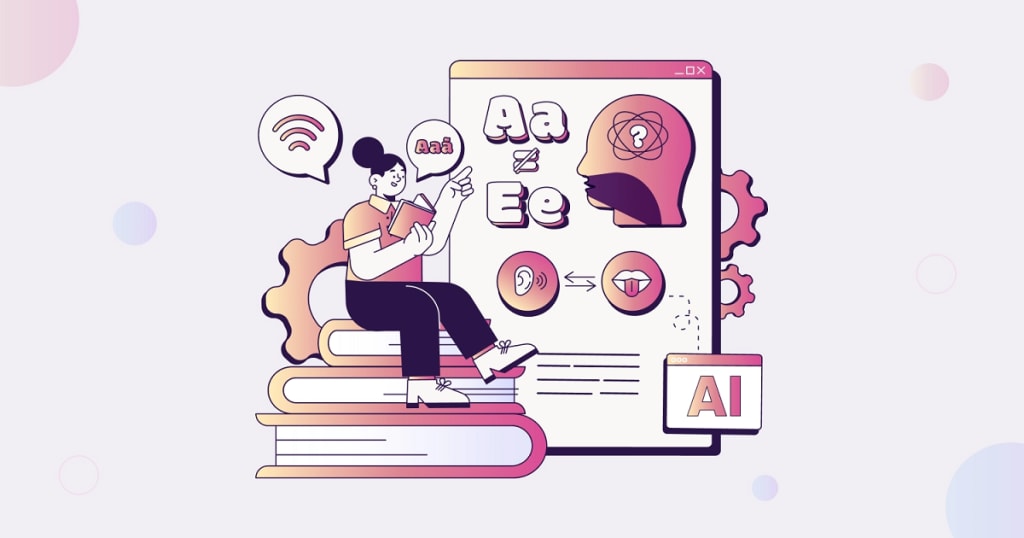
Remember the last time you had to complete an online training module for work? Chances are that it was a static, one-size-fits-all presentation that felt more like a digital textbook. You clicked through a few slides, answered multiple-choice questions, and got a completion certificate. This traditional model of elearning, while functional, often falls short on engagement and true knowledge retention.
Enter rapid elearning, a methodology that focuses on making and deploying learning content quickly and efficiently. Years back, this meant using authoring tools to turn static information into a digital format.
However, a popular technology, Artificial Intelligence, has transformed elearning. And AI is doing more than just speeding things up; it's entirely changing the way we design and deliver education. It’s a complete game-changer, and it's making learning smarter, faster, and much more personal.
What is AI in eLearning?
Rapid eLearning is about getting information to learners when they need it, without the long development cycles of traditional course creation. It's perfect for quickly onboarding new employees, training a sales team on a new product, or providing timely compliance updates.
AI is reforming traditional education by moving beyond the lecture hall. Instead of passive information consumption, it creates an environment of active participation. By analyzing data on learner behavior, it can identify areas of struggle and knowledge gaps, allowing for timely intervention and support that was previously impossible to deliver at scale.
This kind of data-driven approach is at the core of how AI in elearning is making an impact. Many forward-thinking companies are already using AI software development services to build these customized platforms from the ground up.
What are the Core Applications of AI in eLearning
Personalized Learning With AI
One of the most important shifts AI brings is the move away from a "one-size-fits-all" approach. AI-powered learning platforms analyze each person's unique needs, skills, and progress. It's like having a personal tutor for every single learner. If a sales representative masters a product feature in minutes, the AI will advance them.
If a learner struggles with a specific concept, the learning platform will provide extra practice, a different explanation, and a video tutorial. This is the essence of personalized learning with AI. It keeps learners engaged because the content is always relevant and never redundant.
Intelligent Assessment and Feedback
Automated grading is nothing new, but AI takes it to another level. AI-driven assessments can provide real-time, meaningful feedback. For example, a chatbot tutor can explain why an answer was wrong and point the learner to the specific part of the material they need to review. This instant guidance accelerates the learning cycle.
Adaptive learning technology is a powerful component of this. The platform can adjust the difficulty of questions based on a learner's performance. If someone is excelling, the questions get even harder to challenge them. Or if they're struggling, the system provides easier questions to build mastery and confidence.
Automated Content Creation
Imagine needing to create a training module on a new company policy. In the past, this meant days of writing, designing, and formatting. Now, an AI can generate the first draft of the content, create quizzes, and even suggest relevant images or short video clips from existing resources.
This doesn't replace the human touch; a person still needs to review, refine, and add their expertise. But it slashes the time it takes to get to a usable first draft. This kind of rapid course development using AI is a superpower for learning and development teams, allowing them to produce more content, faster. It also helps with localization, as AI can quickly translate content into multiple languages, making training accessible to a global workforce.
Gamification and Immersive Experiences
Artificial intelligence(AI) can also make learning fun. By analyzing a learner's performance and behavior, AI can introduce gamified elements like badges, points, and leaderboards that truly motivate them. For a new employee onboarding module, for example, the AI might present a simulated scenario where the learner has to make decisions to solve a customer problem.
The AI can then provide a personalized, realistic outcome and feedback based on their choices. When you start using generative AI integration services to build these more complex scenarios, you can create training that feels less like a course and more like a real-world experience, leading to better knowledge retention.
Key Benefits of AI in elearning
Increased Speed and Efficiency
The most important benefit of using AI in elearning is the speed and efficiency at which content can be created and deployed. What once took weeks or months now takes days. This is an essential thing in fast-moving industries where knowledge becomes outdated quickly.
Improved Learner Engagement and Retention
People are more likely to stay engaged when the learning is personalized and interactive. The data proves that learners feel seen and supported, not like they are just another face in a crowd. This leads to higher completion rates and understanding of the material and higher completion rates.
Enhanced Accessibility
AI helps make learning accessible to a wider audience. AI-powered tools can automatically transcribe audio, provide text-to-speech functionality, and translate content. This breaks down barriers for learners with different abilities or those who speak other languages, helping organizations reach a global audience.
Cost-Effectiveness
With AI, many time-consuming aspects are automated, like instructional design and content creation. AI reduces the need for large teams and extensive resources. This makes high-quality, up-to-date training a more affordable option for businesses of all sizes.
Impact on the Instructional Design Process
AI enhances every stage of the AI instructional design process, often represented by the ADDIE model (Analyze, Design, Develop, Implement, Evaluate).
Analysis: AI uses predictive analytics to analyze vast amounts of learner data, identify skill gaps, and forecast learning needs. This allows developers to create more targeted and effective training strategies from the start.
Design: AI generates and refines learning objectives, recommends course flow, and builds interactive elements like branching scenarios based on learning goals.
Development: Artificial Intelligence automates the generation of different learning materials, including videos, text, and quizzes, allowing rapid content production and reducing manual effort.
Implementation: AI supports delivery through adaptive learning paths and 24/7 virtual tutors that provide instant, personalized assistance and support to learners.
Evaluation: AI automates the assessment and grading of learners' work, personalized feedback and personalized feedback that improves the learning cycle.
Final Thoughts
Artificial intelligence is not here to replace human expertise; it's here to improve it. By automating day-to-day tasks, personalizing learning, and providing real-time support, AI is making rapid elearning solutions more effective than ever before.
This new era of AI in elearning promises a future where everyone has access to the clear information they need, and exactly when they need it, in a format that works for them. The result is a more skilled, engaged, and knowledgeable workforce, ready for whatever challenges come next.
About the Creator
Keep reading
More stories from Amy Brooks and writers in Futurism and other communities.
How AI is Revolutionizing WordPress Development for eCommerce and Blogs
To stay ahead in this digital-first, AI-driven era, you need to utilize the best tools available. WordPress has been the go-to CMS platform for building websites for years, powering over 43.4% of the internet. However, a new partner has now arrived: Artificial Intelligence. AI is not just a fancy extra feature; it is completely changing how we create, manage, and improve WordPress sites, especially for online stores and blogs. The impact of AI in WordPress development is undeniable.
By Amy Brooks5 months ago in Futurism
About Binding Prometheus
I want to start actively advocating on behalf of my own work, and the most valuable part of my canon is, without a doubt, Binding Prometheus, the play I have been working on since 2019 and only finished in 2023 as part of my MA. The play itself is an amalgamation of a million different inspirations. On one end, it evokes the Ancient Greek myth-play, deriving its own title from the earliest extant work of Western drama we have, Aeschylus’s Prometheus Bound. On the other end, it borrows significantly from the sci-fi bulwarks from over the years, namely Mary Shelley’s Frankenstein and Karel Capek’s Rossum’s Universal Robots. The play could be an episode of Black Mirror, I fear. I don’t know. I’ve only ever seen one episode of Black Mirror.
By Steven Christopher McKnight21 days ago in Futurism
How Portland Engineers Reduce Mobile App ANRs and Crashes?
Alex Morgan didn’t need another crash report to know something was wrong. Crash-free session rates still looked acceptable on paper. Automated tests were green. QA sign-off came without resistance. Yet real users were telling a different story—one that didn’t fit neatly into dashboards.
By Mike Pichaiabout 9 hours ago in Futurism
The Path to Salvation
The late autumn evening air filled the monk's lungs, but it wasn't the season that chilled his bones. The heavy-handed presence of evil he had sensed upon entering the woods surrounding this mountain village had not bothered to conceal itself from him.
By Made in DNAabout 7 hours ago in Fiction



Comments
There are no comments for this story
Be the first to respond and start the conversation.