
How Food Banks Use Your Contributions
Read the journey of your donation: from your generosity to nourishing plates on hungry tables.

When you donate to a food bank, you may wonder how your contribution is used to help those in need. Food banks play a critical role in supporting communities by addressing hunger and food insecurity. By understanding how food banks utilize your donations, you can gain insight into the profound impact your generosity has on countless lives.
The Importance of FoodBank Donations
Food insecurity is a pressing issue, affecting millions of people across the country. In some areas, one in four children goes to bed hungry, and many families struggle to put food on the table. This is where food bank donations become essential. Your contributions help bridge the gap for those facing tough times, ensuring they have access to nutritious food.
Collecting and Organizing Donations
When you make a foodbank donation, it goes through a well-structured process to ensure maximum efficiency and impact. Food banks collect donations from various sources, including individuals, corporations, foundations, and government programs. These donations can be in the form of food items, funds, or even volunteer time.
Upon receiving food donations, food banks organize and store these items in their warehouses. Volunteers and staff members sort the food to ensure it meets safety standards and is suitable for distribution. This organized system helps food banks manage their inventory and quickly respond to the needs of their partner agencies and communities.
Partner Agencies and Distribution
Food banks work closely with a network of partner agencies such as food pantries, soup kitchens, and emergency shelters. These organizations are on the front lines, directly distributing food to individuals and families in need. By collaborating with these agencies, food banks can extend their reach and ensure that donations are distributed effectively throughout the community.
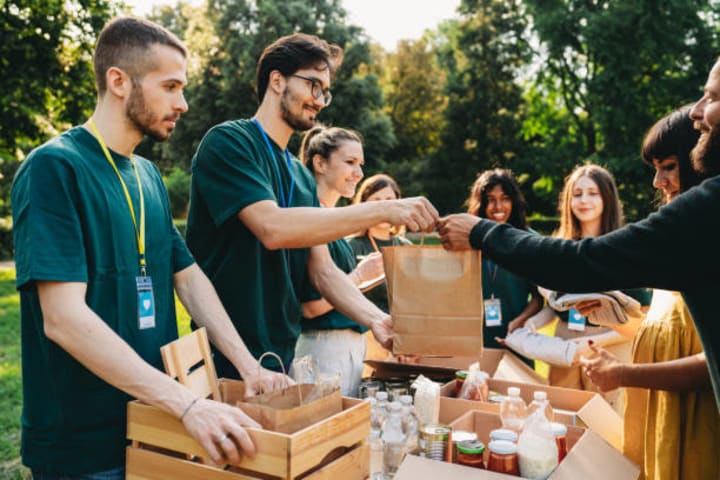
In addition to traditional food distribution methods, food banks often use innovative programs to reach more people. Mobile pantries, for example, bring food directly to underserved areas, making it easier for individuals with limited transportation to access food. This flexibility ensures that no one is left behind.
Financial Donations and Their Impact
Monetary donations to food banks are incredibly valuable. With financial contributions, food banks can purchase food in bulk at reduced prices, maximizing the impact of every dollar donated. For instance, just one dollar can provide two meals for someone in need. This purchasing power allows food banks to maintain a steady supply of nutritious food and address specific dietary needs within the community.
Furthermore, financial donations help cover operational costs. Running a food bank involves expenses such as transportation, storage, and staff salaries. By supporting these operational needs, your monetary contributions ensure that food banks can continue their essential work efficiently and sustainably.
Volunteer Contributions
Volunteers are the backbone of food banks. Donating your time can be just as impactful as donating food or money. Volunteers assist with various tasks, from sorting and packing food to distributing it at local pantries. This hands-on help is crucial in maintaining the smooth operation of food banks and ensuring that food reaches those who need it most.
Volunteering also fosters a sense of community and shared purpose. It brings people together to work towards a common goal: ending hunger. Whether you volunteer regularly or just once, your contribution makes a significant difference.
Advocacy and Raising Awareness
Food banks also play a vital role in advocacy. They work to amplify the voices of those facing food insecurity and drive meaningful change in society. By raising awareness about the root causes of hunger, food banks can influence policy decisions and promote initiatives that address these underlying issues.
Advocacy efforts include educating the public, engaging with policymakers, and partnering with other organizations to tackle food insecurity on a broader scale. Your support for food banks helps strengthen these advocacy efforts, ultimately leading to a more just and equitable society.
Innovative Programs and Solutions
To adapt to the evolving needs of communities, food banks continually develop innovative programs and solutions. These programs aim to address not only immediate hunger but also the root causes of food insecurity. For example, some food banks offer nutrition education programs to help individuals make healthy food choices and manage limited resources effectively.
Other initiatives might include job training programs, community gardens, and collaborations with local farms to provide fresh produce. These comprehensive approaches help individuals and families achieve long-term food security and self-sufficiency.
The Community Impact of Food Bank Donations
Every foodbank donation, whether it’s food, money, or time, contributes to a larger mission of supporting the community. The impact of your contribution is far-reaching, touching the lives of children, families, seniors, and individuals facing difficult circumstances. By providing essential resources, food banks help alleviate the stress and uncertainty that come with food insecurity.
In places like Norfolk and other areas, the community benefits greatly from the collective efforts of food banks and their supporters. Your donations help ensure that everyone has access to the basic necessity of food, promoting a healthier and more resilient community.
Conclusion
Food banks rely on the generosity of donors to fulfill their mission of ending hunger and food insecurity. Your contributions—whether food, funds, or volunteer time—play a crucial role in this effort. By understanding how food banks use your donations, you can appreciate the significant impact you have on individuals and families in need. Together, we can create a brighter future for all.
For more ways to help or to get involved, contact today.
About the Creator
Jane Smith
Leading the effort to eliminate hunger in our community.
https://foodbankonline.org/
Keep reading
More stories from Jane Smith and writers in Futurism and other communities.
Cell Dissociation Market Outlook: Advancements in Cell-Based Research and Growth Opportunities
According to IMARC Group's latest research publication, The global cell dissociation market size reached USD 404.8 Million in 2024. Looking forward, IMARC Group expects the market to reach USD 1,186.4 Million by 2033, exhibiting a growth rate (CAGR) of 12.06% during 2025-2033.
By James Whitman4 days ago in Futurism
Plant-Based Food Market: How AI and Innovation Are Shaping the Future of Sustainable Nutrition
Introduction The global food industry is undergoing a significant transformation as consumers shift toward healthier and more sustainable dietary choices. One of the most prominent trends emerging from this shift is the growing popularity of plant-based foods. These products are derived entirely from plant sources such as soy, peas, almonds, oats, coconut, and other plant ingredients, offering alternatives to traditional animal-based products.
By James Smith5 days ago in Futurism
Hottest in the Office
Dear Rafi, You’re very distracting to work around. For the first second I saw you the other day, I thought you were some type of executive. It took a moment to realize no, you were just the new guy, dressed up for the job he wants. Be still, my heart.
By Gabriel Shames3 days ago in Pride



Comments
There are no comments for this story
Be the first to respond and start the conversation.