
Hair Shampoo Market Trends: Ingredient Innovation, Premiumization & Forecast to 2034
How ingredient innovation, scalp-health formulations, and premium product positioning are transforming consumer purchasing behavior and competitive strategies across the global hair shampoo market.

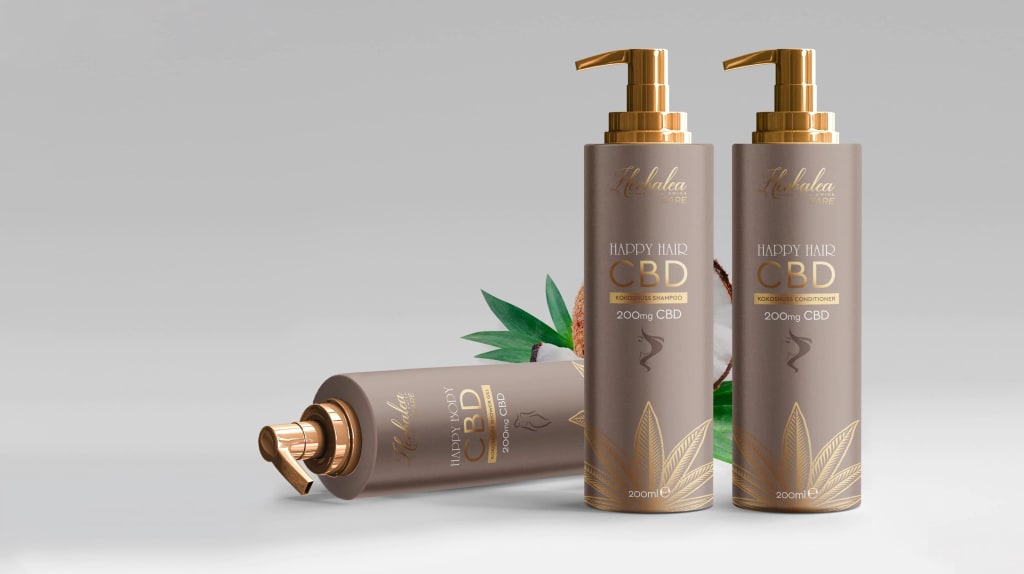
Rising environmental pollution, evolving consumer lifestyles, and growing awareness around scalp health are fueling demand for hair shampoos globally, supported by the shift toward herbal and natural formulations, rapid e-commerce expansion, and continuous product innovation targeting specific hair concerns. According to IMARC Group’s latest data, The global hair shampoo market size reached USD 38.0 Billion in 2025. Looking forward, IMARC Group expects the market to reach USD 48.0 Billion by 2034, exhibiting a CAGR of 2.62% during 2026-2034.
The hair shampoo market has grown into a multi-billion-dollar global industry driven by rising health consciousness and an ever-expanding range of specialized products. Demand is fueled by increasing pollution levels, changing grooming habits, and consumers seeking targeted solutions for dandruff, hair fall, scalp sensitivity, and dryness. Herbal formulations, clean-label ingredients, and dry shampoo variants are seeing particularly strong uptake. Key segments include non-medicated shampoos (the dominant category), medium price-point products, and women as the primary end user. Hypermarkets and supermarkets remain the top distribution channel, though online sales are growing fast.
Hair Shampoo Market Growth Drivers:
- Rising Demand for Herbal and Natural Formulations
Consumers are increasingly moving away from chemical-heavy shampoos toward herbal alternatives loaded with botanical extracts, essential oils, and vitamins. Heritage ingredients like neem, amla, rice water, and onion oil are now mainstream in markets like India and Southeast Asia. Meera (CavinKare) tapped into this directly with its Rice Kanji Shampoo launch. Globally, over 60% of beauty consumers now check ingredient labels before purchasing. With the market valued at approximately USD 38 billion, brands that lead with clean, transparent formulations are gaining a decisive edge, especially among younger, health-first consumers.
- Scalp Health Awareness and Specialized Product Innovation
Scalp care has evolved from a niche concern into a mainstream priority. Consumers are actively seeking shampoos that treat dandruff, oil buildup, irritation, and hair thinning with clinical precision. Minimalist entered this space with its Anti-Dandruff Shampoo, formulated with Piroctone Olamine and Salicylic Acid, claiming up to 100% reduction in visible flakes within three washes. CeraVe similarly launched Anti-Dandruff and Gentle Hydrating shampoo ranges using its signature ceramide technology. This dermatology-backed approach is fundamentally reshaping how consumers select shampoos, driving premiumization across the global market.
- E-Commerce Expansion and Broader Product Accessibility
The surge in e-commerce has fundamentally changed how consumers discover and buy shampoos. Platforms like Amazon, Nykaa, and brand-owned websites now provide specialized and premium products to consumers well beyond traditional retail reach. COVID-19 permanently accelerated this channel shift, and smaller, direct-to-consumer brands now scale nationally without needing physical retail presence. For context, e-commerce accounts for a growing portion of personal care sales globally. In a USD 38 billion market, digital channels are increasingly where brand loyalty is built, price competition is fiercest, and new launches get their first real market test.
Hair Shampoo Market Trends:
- Sustainability and Eco-Friendly Packaging Initiatives
Sustainability has moved from a marketing buzzword to a real purchasing factor in the hair care aisle. Regulatory pressure is adding urgency — the EU’s Green Deal mandates a 25% reduction in plastic packaging, and brands are responding fast. Unilever partnered with biotech firm Ginkgo Bioworks to develop bioengineered, sustainable shampoo ingredients, while Dyson’s Omega Nourishing range introduced refillable, silicone-free hair care powered by plant oils grown on its own farms. Consumers, particularly in Europe and North America, actively reward brands that demonstrate genuine eco-commitment rather than superficial greenwashing.
- Personalization and Gender-Specific Formulations
Shampoo brands are moving decisively away from one-size-fits-all products toward formulas tailored to hair type, gender, and lifestyle. The men’s grooming segment is a standout — Phyto launched an Anti-Itch Shampoo designed specifically for sensitive male scalps, while Head & Shoulders introduced Men Ultra for deep cleaning and dandruff control. D2C brands like Man Matters are building complete men’s hair wellness routines across e-commerce and brick-and-mortar channels. Women remain the largest consumer segment globally, but gender-specific product lines are proving to be a powerful strategy for capturing under-served male audiences.
- Celebrity-Backed Launches and Premiumization
Celebrity culture and premium hair care are converging to reshape the market’s upper end. Shakira’s Isima range at Ulta Beauty, Jennifer Aniston’s LolaVie Powder Perfect Dry Shampoo, and L’Oréal’s acquisition of Color Wow all reflect the consumer appetite for aspirational, science-backed products. These launches blend endorsement appeal with real clinical credentials, commanding premium price points and high social media visibility. Rising disposable incomes in North America and Western Europe, combined with the influence of social media-driven product discovery, are making premiumization one of the most durable trends in the global shampoo industry today.
Recent News and Developments in Hair Shampoo Market
- July 2025: Shakira launched her haircare brand Isima at Ulta Beauty, featuring an eight-product line focused on scalp health, hydration, and damage repair. The launch underscores the accelerating trend of celebrity-driven, science-backed hair care products gaining mainstream retail presence.
- August 2025: Jennifer Aniston’s LolaVie launched the Powder Perfect Dry Shampoo, a talc-free, aerosol-free formula targeting consumers seeking cleaner, more natural alternatives to traditional dry shampoos. The launch taps into growing demand for ingredient-transparent, health-first personal care products.
- October 2025: Unilever launched a new line of sustainable hair care products featuring biodegradable packaging and naturally derived ingredients. The initiative reflects the brand’s response to mounting regulatory pressure under the EU’s Green Deal and a growing base of eco-conscious consumers globally.
Note: If you require specific details, data, or insights that are not currently included in the scope of this report, we are happy to accommodate your request. As part of our customization service, we will gather and provide the additional information you need, tailored to your specific requirements. Please let us know your exact needs, and we will ensure the report is updated accordingly to meet your expectations.
About the Creator
Andrew Sullivan
Hello, I’m Andrew Sullivan. I have over 9+ years of experience as a market research specialist.
Keep reading
More stories from Andrew Sullivan and writers in Futurism and other communities.
Motor Insurance Market Forecast: Connected Vehicles, Data Analytics & Industry Outlook to 2034
Rising vehicle ownership, mandatory insurance regulations, and rapid adoption of telematics and digital platforms are reshaping the global motor insurance landscape. Backed by growing consumer awareness and government-mandated coverage requirements, the market is seeing robust demand across both personal and commercial segments. According to IMARC Group’s latest data, The global motor insurance market size was valued at USD 976.1 Billion in 2025. Looking forward, IMARC Group estimates the market to reach USD 1,752.2 Billion by 2034, exhibiting a CAGR of 6.70% from 2026-2034.
By Andrew Sullivanabout 8 hours ago in Futurism
Hydrogen Fuel Cell Vehicle Market Outlook: Clean Mobility Transition and Growth Opportunities
According to IMARC Group's latest research publication, The global hydrogen fuel cell vehicle market size was valued at USD 3,252.9 Million in 2025 and is projected to reach USD 47,722.5 Million by 2034, growing at a compound annual growth rate (CAGR) of 34.77% from 2026-2034.
By James Whitman2 days ago in Futurism



Comments
There are no comments for this story
Be the first to respond and start the conversation.