
Graphene and Solar: A Match Made for a Sustainable Future
An AI Generated Analysis of Graphene And Solar Power

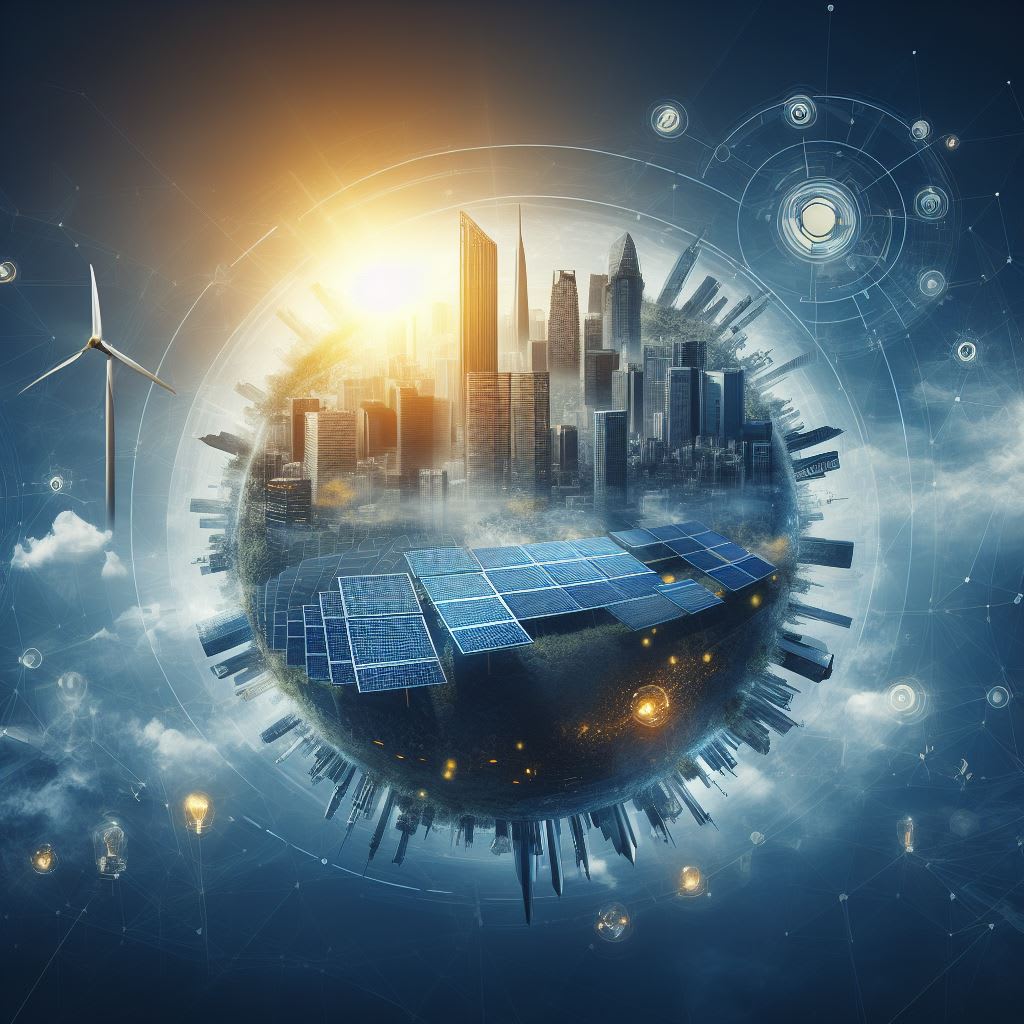
Graphene, a single layer of carbon atoms arranged in a two-dimensional honeycomb lattice, has been hailed as a 'wonder material' due to its exceptional properties. It is incredibly thin, yet stronger than steel, highly flexible, and has excellent electrical and thermal conductivity. These properties make graphene a promising candidate for various applications, including solar power technology.
Solar power harnesses the energy from the sun and converts it into electricity. Traditional solar cells are made from silicon, which is abundant and efficient at converting sunlight into electricity. However, silicon-based solar cells have limitations, including their weight, rigidity, and manufacturing costs. This is where graphene comes in.
Graphene's excellent electrical conductivity and transparency make it ideal for use in solar cells. It can be used to create thin, flexible, and lightweight solar panels that could be integrated into a variety of surfaces, from windows to clothing. This could revolutionize the way we harness solar energy, making it more accessible and versatile.
Moreover, graphene's high electron mobility could potentially increase the efficiency of solar cells. In a solar cell, light absorption creates electron-hole pairs, which need to be separated and collected to generate electricity. The faster these charge carriers can move, the more efficient the solar cell. Graphene's high electron mobility could therefore lead to more efficient energy conversion.
Additionally, graphene can be combined with other materials to create innovative solar cell designs. For example, researchers are exploring the use of graphene in tandem with perovskites, a type of material that has shown promise for high-efficiency solar cells. The stability and flexibility of graphene could help overcome some of the challenges associated with perovskite solar cells, such as their sensitivity to moisture.
While research into graphene-based solar cells is still in its early stages, the unique properties of graphene offer exciting possibilities for the future of solar power technology. By addressing some of the limitations of traditional solar cells, graphene could pave the way for more efficient, flexible, and accessible solar power. As research progresses, we can look forward to seeing how this 'wonder material' will shape the future of renewable energy.
The potential of graphene-based solar technology could fundamentally transform the world by 2030 in several ways.
Firstly, energy production could become more decentralized. The flexibility and lightness of graphene solar panels mean they can be integrated into a variety of surfaces, from building facades to clothing. This could enable every home or even individual to generate their own electricity, reducing reliance on centralized power grids and fossil fuel power plants.
Secondly, graphene solar technology could significantly contribute to reducing carbon emissions. As a renewable energy source, solar power produces no greenhouse gases during operation. By increasing the efficiency and accessibility of solar power through graphene, we could accelerate the transition to low-carbon energy sources, helping to mitigate climate change.
Thirdly, the economic landscape could also change. The production of graphene solar cells could stimulate job creation in new industries, from manufacturing to installation and maintenance. Moreover, the cost savings from generating one's own electricity could increase disposable income, potentially stimulating economic growth.
Lastly, graphene solar technology could have profound implications for developing countries. Many regions lack access to reliable electricity, hindering economic development and quality of life. Lightweight, flexible graphene solar panels could be a game-changer, providing a cheap, efficient, and sustainable energy solution.
In conclusion, by 2030, graphene solar technology could revolutionize energy production, combat climate change, stimulate economic growth, and improve living standards worldwide. While challenges remain in realizing this potential, the promise of graphene solar technology offers a compelling vision of a sustainable and equitable future.
>>> This Link Pays Us Commissions: Get Graphene Here.
About the Creator
Graphene Supply Company
Get graphene here.
Graphene Supply Company is an affiliate provider of graphene and graphene related products.
We receive a commission on sales generated from our affiliate links.
Discover the power of graphene!
https://tinyurl.com/GetGraphene
Keep reading
More stories from Graphene Supply Company and writers in Futurism and other communities.
The Graphene Revolution : A Closer Look At The Wonder Material
What is Graphene? Graphene is a single layer of carbon atoms arranged in a two-dimensional honeycomb lattice. It's the basic structural element of other carbon allotropes, including graphite, charcoal, carbon nanotubes, and fullerenes. Graphene is often referred to as a "wonder material" due to its exceptional properties, such as high electrical conductivity, strength, and lightness.
By Graphene Supply Company2 years ago in Futurism
AI-Powered Supply Chain Planning Software Market to hit USD 240.96 billion by 2035
AI-Powered Supply Chain Planning Software Market Overview The Global AI-Powered Supply Chain Planning Software Market is projected to reach approximately USD 240.96 Billion by 2035, increasing from USD 11.38 Billion in 2025, reflecting a strong CAGR of 35.7% during the forecast period from 2025 to 2035.
By Roberto Cruma day ago in Futurism
Australia Frozen Potato Products Market: QSR Expansion, Convenience Foods & Cold Chain Logistics
According to IMARC Group, the Australia frozen potato products market reached a value of USD 1,147.6 Million in 2025 and is projected to reach USD 1,771.2 Million by 2034, growing at a compound annual growth rate (CAGR) of 4.79% during 2026–2034. The market is expanding as changing consumer lifestyles and evolving foodservice trends increase demand for convenient, ready-to-cook food options. Frozen potato products such as French fries, wedges, hash browns and specialty potato snacks are widely used across quick-service restaurants (QSRs), cafés and retail households. Rising urbanization and busy consumer schedules are encouraging the adoption of frozen foods that offer longer shelf life and easy preparation. At the same time, improvements in cold chain logistics and frozen food distribution systems are enabling manufacturers and retailers to maintain product quality while expanding nationwide availability. As both the foodservice sector and retail consumption continue growing, frozen potato products are becoming an essential segment within Australia’s broader frozen food industry.
By Kevin Cooper2 days ago in Futurism
📢 Raise Your Voice Thread: 03/05/2026
Our “Raise Your Voice Threads” are hosted most alternating Thursdays at 12PM ET to offer creators more avenues to uncover exceptional stories on Vocal. As we are continuously searching for fresh creators and inspiring stories, this thread provides an opportunity to exchange and discuss the stories that have moved and motivated us on Vocal.
By Raise Your Voice by Vocal7 days ago in Resources



Comments
There are no comments for this story
Be the first to respond and start the conversation.