
Global Sesame Seeds Market Dynamics: Consumption Patterns and Market Forecast
The global sesame seeds market is witnessing steady growth, supported by rising consumption in food processing, bakery, confectionery, and health-focused diets.

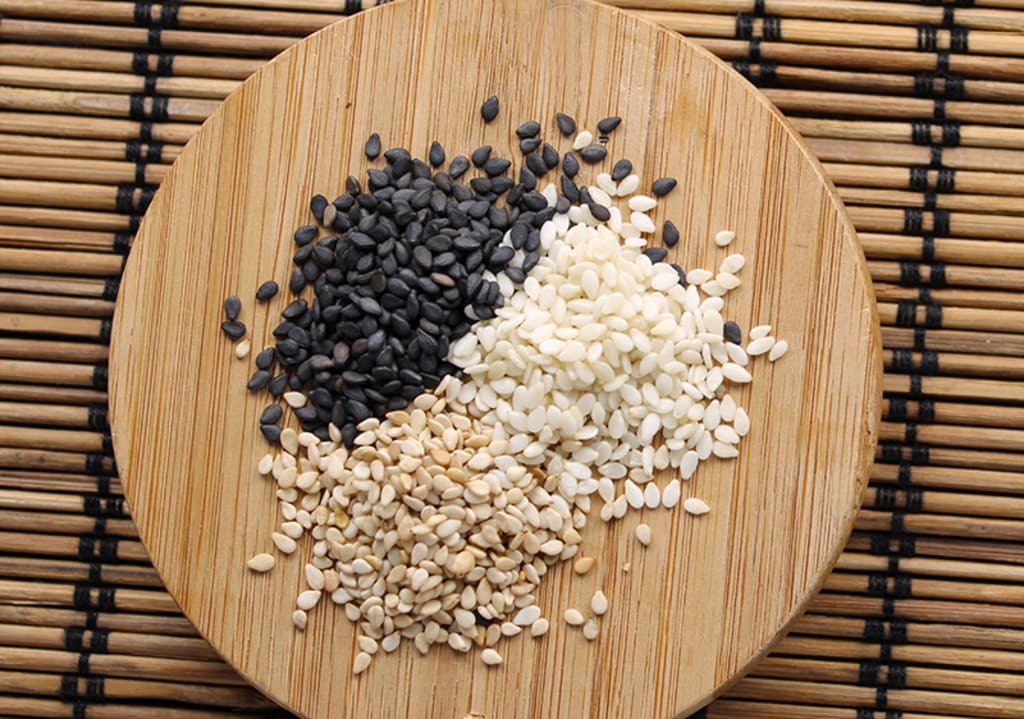
Rising demand for healthy, plant-based foods and natural ingredients is driving growth in the sesame seeds market. Increasing use in bakery, confectionery, sauces, and traditional cuisines supports consumption. High nutritional value, including healthy fats, protein, and antioxidants, enhances consumer appeal. According to IMARC Group's latest research publication, The global sesame seeds market size reached USD 7.4 Billion in 2024. Looking forward, IMARC Group expects the market to reach USD 9.0 Billion by 2033, exhibiting a growth rate (CAGR) of 2.16% during 2025-2033.
How AI is Reshaping the Future of Sesame Seeds Market
- Precision Yield Prediction and Crop Planning: AI-powered neural networks analyze plant characteristics—flowering time, capsule count, seed weight—to predict yields with over 90% accuracy. These models help farmers optimize planting decisions, resource allocation, and harvest timing for maximum profitability.
- Disease Detection and Crop Health Monitoring: Deep learning frameworks combining ResNet-50, DenseNet-121, and Xception models achieve 96.83% accuracy in identifying phyllody and bacterial blight from leaf images. Early detection enables producers to treat infections before spread, minimizing losses and ensuring healthier cultivation.
- Automated Quality Control and Seed Grading: Computer vision systems equipped with hyperspectral imaging and NIR spectroscopy perform non-destructive seed quality testing, analyzing vigor, germination potential, and purity. These AI tools eliminate manual inspection inconsistencies while reducing testing time and labor costs significantly.
Sesame Seeds Industry Overview:
Government support programs are transforming sesame production globally. The USDA's Farmer Bridge Assistance Program allocated up to USD 11 billion supporting 20 crops including sesame, addressing market disruptions and elevated input costs. North Carolina invested over USD 225,000 through its New and Emerging Crops Program, supporting 10 farmers pioneering sesame cultivation. The World Food Programme's Japan-funded initiative in Zimbabwe reached 14,000 households with improved seeds and training, producing 353,000 metric tons for export markets.
Sesame Seeds Market Trends & Drivers
Health-conscious consumers are driving unprecedented demand for sesame as a functional ingredient packed with protein, healthy fats, and essential minerals. The plant-based food movement is boosting sesame applications across bakery, confectionery, and health supplements, with the U.S. market alone consuming sesame in products ranging from tahini to energy bars. Sesame's nutritional profile—rich in calcium, magnesium, iron, and natural antioxidants like sesamin and sesamol—makes it particularly attractive for wellness-focused consumers. Production innovations including shatter-resistant varieties have made commercial cultivation viable, with U.S. producers currently growing 100,000 acres while domestic demand requires 650,000 acres, creating significant expansion opportunities for farmers seeking alternatives to volatile commodity crops.
Agricultural diversification and climate resilience are reshaping farming strategies, particularly in regions facing water scarcity and unpredictable weather patterns. Sesame's drought tolerance and ability to thrive in sandy soils make it ideal for farmers transitioning from water-intensive crops like cotton or maize. Zimbabwe's southern Mwenezi District exemplifies this shift, where subsistence farmers previously gambling on failing maize crops now harvest sesame that travels 12,500 kilometers to Japanese dinner tables. The Federal Crop Insurance Corporation approved enhancements to sesame pilot programs, allowing contract-derived pricing formulas that provide farmers greater financial security. North Carolina researchers report sesame's resistance to nematodes and deer saves farmers thousands annually in crop damage, while its extensive root system and minimal fertilizer requirements reduce input costs compared to traditional row crops.
Export market expansion and premium positioning are creating lucrative opportunities for quality-focused producers. Japan imports nearly all its sesame despite high domestic demand, opening pathways for traceable, high-quality products from smallholder farmers. Olam International's September sustainable sesame initiative in Nigeria partnered with Kadoya Sesame Mills and international agencies to enhance smallholder production, while Dipasa USA launched organic and toasted varieties in July targeting bakery and health-focused applications. Contract prices around 45-60 cents per pound combined with low input costs make sesame financially attractive, particularly as conventional crop prices fluctuate. The growing preference for organic and specialty sesame products commands premium pricing, with companies increasingly emphasizing sustainable production, transparent supply chains, and certification standards that appeal to conscious consumers in developed markets seeking ethically sourced ingredients.
Leading Companies Operating in the Global Sesame Seeds Industry:
- Accura Group
- Dhaval Agri Exports LLP
- Dipasa USA Inc.
- Frontier Co-op
- HL Agro Products Pvt. Ltd.
- McCormick and Company Incorporated
- NOW Foods
- Orienco
- Samruddhi Organic Farm (India) Private Limited
- Shyam Industries
- Tradin Organic Agriculture B.V
- Unicorn Ingredients Limited
- Virdhara International
- Wholefood Earth LTD
Sesame Seeds Market Report Segmentation:
By Type:
- Raw Seed
- Processed Seed
- Others
Based on the type, the market has been segmented into raw seed, processed seed, and others.
By Color:
- White
- Black
- Brown
- Others
White represents the largest segment owing to its versatility and widespread use across culinary and commercial applications.
By Category:
- Organic
- Conventional
Organic accounts for the largest market share driven by growing health consciousness and preference for chemical-free products.
By Application:
- Food and Beverages
- Cosmetics
- Others
Food and beverages dominate the market as sesame seeds remain essential ingredients in bakery products, confectionery, tahini, and cooking oils.
By Distribution Channel:
- Online
- Offline
Based on the distribution channel, the market has been divided into online and offline.
Regional Insights:
- North America (United States, Canada)
- Europe (Germany, France, United Kingdom, Italy, Spain, Russia, Others)
- Asia Pacific (China, Japan, India, South Korea, Australia, Indonesia, Others)
- Latin America (Brazil, Mexico, Others)
- Middle East and Africa
Asia Pacific exhibits clear dominance in the sesame seeds market due to extensive cultivation areas, traditional culinary usage, and strong export infrastructure.
Recent News and Developments in Sesame Seeds Market
- September 2025: Olam International launched a sustainable sesame supply initiative in Nigeria, partnering with Kadoya Sesame Mills, IFAD, and MC Agri Alliance to support smallholder farmers, enhance production capabilities, and strengthen traceable supply chains for international markets.
- August 2025: Tootsi Impex launched its Organic 6 Seeds Mix, combining brown flax, golden flax, sunflower, sesame, black chia, and pumpkin seeds, offering a nutritious, versatile option for baking, snacks, and health-oriented food products in North America.
- July 2025: Dipasa USA launched a new range of organic and toasted sesame seeds, catering to bakery, culinary, and health-focused applications, providing high-quality, nutritious, and versatile ingredients, strengthening its presence in value-added sesame products.
- December 2024: The USDA announced a USD 12 billion Farmer Bridge Assistance Program supporting American farmers producing 20 crops including sesame, providing broad relief to address market disruptions, elevated input costs, and unfair trade practices impacting agricultural exports.
- November 2024: The Federal Crop Insurance Corporation Board approved changes to the sesame pilot crop insurance program, allowing contract prices to be derived from formulas, providing farmers greater flexibility and financial security for the crop.
Note: If you require specific details, data, or insights that are not currently included in the scope of this report, we are happy to accommodate your request. As part of our customization service, we will gather and provide the additional information you need, tailored to your specific requirements. Please let us know your exact needs, and we will ensure the report is updated accordingly to meet your expectations.
About the Creator
Michael Richard
Michael Richard is a Market Research Expert specializing in market intelligence, competitive analysis, and data-driven insights. He helps organizations understand trends and emerging opportunities through in-depth research.
Keep reading
More stories from Michael Richard and writers in Futurism and other communities.
Lithium-ion Battery Industry Outlook: EV Demand & Capacity Expansion Trends
Rising demand for electric vehicles, renewable energy storage, and portable electronic devices is driving growth in the lithium-ion battery market. Advancements in energy density, charging efficiency, and battery management systems enhance performance and reliability. According to IMARC Group's latest research publication, The global lithium-ion battery market size was valued at USD 53.96 Billion in 2024. Looking forward, IMARC Group estimates the market to reach USD 140.51 Billion by 2033, exhibiting a CAGR of 11.14% during 2025-2033
By Michael Richarda day ago in Futurism
Irrigation Controllers Market: Precision Farming Demand, Automated Scheduling & Market Forecast
According to IMARC Group's latest research publication, global irrigation controllers market size reached USD 1.9 Billion in 2024. Looking forward, IMARC Group expects the market to reach USD 5.7 Billion by 2033, exhibiting a growth rate (CAGR) of 13.07% during 2025-2033.
By sujeet. imarcgroup4 days ago in Futurism



Comments
There are no comments for this story
Be the first to respond and start the conversation.