
Global Cancer Diagnostics Industry Report: Screening Innovation & Growth Outlook
The global cancer diagnostics industry is expanding rapidly, driven by innovations in early detection, precision medicine, and advanced screening technologies.


Rising prevalence of cancer, increasing awareness of early detection, and advancements in molecular and genetic testing are driving growth in the cancer diagnostics market. Adoption of non-invasive, rapid, and highly accurate diagnostic tools improves patient outcomes. According to IMARC Group's latest research publication, The global cancer diagnostics market size reached USD 207.9 Billion in 2024. Looking forward, IMARC Group expects the market to reach USD 326.2 Billion by 2033, exhibiting a growth rate (CAGR) of 4.88% during 2025-2033.
How AI is Reshaping the Future of Cancer Diagnostics Market
- Enhanced Image Analysis and Pattern Recognition: AI algorithms analyze medical imaging scans—MRI, CT, PET—detecting subtle patterns and anomalies invisible to human eyes. These systems reduce diagnostic errors, accelerate radiologist workflows, and enable earlier tumor detection through advanced computer vision capabilities.
- Precision Molecular Diagnostics and Biomarker Discovery: Machine learning models analyze genomic data from next-generation sequencing to identify cancer-specific biomarkers with exceptional accuracy. AI-driven platforms correlate genetic mutations with treatment responses, enabling personalized therapy selection and improving clinical outcomes for complex cases.
- Predictive Analytics for Risk Stratification: AI systems process patient histories, genetic profiles, and lifestyle data to calculate individual cancer risk scores. Healthcare providers use these insights for targeted screening programs, prioritizing high-risk populations and optimizing resource allocation across diagnostic facilities.
Cancer Diagnostics Industry Overview:
Global healthcare systems are prioritizing early cancer detection through expanded screening programs and public awareness campaigns. Countries like India launched indigenously developed HPV test kits under the Department of Biotechnology's Grand Challenges program, making cervical cancer screening more accessible and affordable nationwide. The NHS initiated the world's largest AI breast cancer trial involving 700,000 mammograms across 30 screening centers, potentially revolutionizing diagnostic workflows by replacing traditional second-reader systems and cutting radiologist workloads in half while maintaining accuracy.
Cancer Diagnostics Market Trends & Drivers:
The aging population worldwide drives consistent demand for cancer diagnostics, with the WHO projecting one in six people globally will be 60 or older by 2030, rising to 2.1 billion by 2050. This demographic shift intensifies screening requirements as cancer risk increases with age, pushing healthcare systems to invest in accessible, user-friendly diagnostic technologies. Modern facilities are implementing minimally invasive procedures like liquid biopsies and advanced imaging that reduce patient discomfort while maintaining diagnostic precision, encouraging more individuals to undergo regular screenings and enabling earlier intervention.
Mobile diagnostic units are expanding cancer screening access in underserved regions, bringing sophisticated testing directly to rural communities lacking fixed healthcare infrastructure. In February 2025, Dhule MP flagged off a cancer diagnostic van in Nashik equipped with examination facilities and specialists to provide oral, breast, and uterine cancer screenings across rural Maharashtra. These mobile services overcome geographical barriers, delivering early detection capabilities to populations historically excluded from timely cancer care and significantly improving regional health equity.
Technological breakthroughs in molecular diagnostics and imaging are transforming cancer detection capabilities. Montreal-based Avitia launched its AI-powered cancer diagnostics platform in 2025, securing $5 million in seed funding for machine learning-driven blood tests that promise faster, more cost-effective detection. Roche expanded its Digital Pathology Open Environment with over 20 advanced AI algorithms from eight partners, providing pathologists with precise insights for personalized treatment decisions across multiple cancer types while advancing digital pathology into routine clinical practice.
Leading Companies Operating in the Global Cancer Diagnostics Industry:
- Abbott Laboratories
- Agilent Technologies, Inc.
- Becton, Dickinson and Company
- bioMérieux
- Bio-Rad Laboratories, Inc.
- F. Hoffmann-La Roche Ltd
- GE HealthCare
- Hologic, Inc.
- Illumina, Inc.
- Koninklijke Philips N.V.
- Qiagen N.V.
- Quest Diagnostics
- Siemens Healthineers AG (Siemens AG)
- Thermo Fisher Scientific Inc.
Cancer Diagnostics Market Report Segmentation:
By Product:
- Consumables
- Antibodies
- Kits and Reagents
- Probes
- Others
- Instruments
- Pathology-based Instruments
- Imaging Instruments
- Biopsy Instruments
- By Technology:
- IVD Testing
- Polymerase Chain Reaction (PCR)
- In Situ Hybridization (ISH)
- Immunohistochemistry (IHC)
- Next-generation Sequencing (NGS)
- Microarrays
- Flow Cytometry
- Immunoassays
- Others
- Imaging
- Magnetic Resonance Imaging (MRI)
- Computed Tomography (CT)
- Positron Emission Tomography (PET)
- Mammography
- Ultrasound
- Biopsy Technique
Imaging represents the largest technology segment, providing detailed, non-invasive visualization of tumors that enables early detection, accurate diagnosis, and careful monitoring of disease progression.
By Application:
- Breast Cancer
- Lung Cancer
- Colorectal Cancer
- Melanoma
- Others
Breast cancer accounts for the largest application segment due to its high prevalence and critical need for early detection through advanced diagnostic technologies.
By End User:
- Hospitals and Clinics
- Diagnostic Laboratories
- Others
Hospitals and clinics dominate the end user segment owing to their comprehensive patient access, advanced diagnostic equipment, and integrated care delivery capabilities.
Regional Insights:
- North America (United States, Canada)
- Asia Pacific (China, Japan, India, South Korea, Australia, Indonesia, Others)
- Europe (Germany, France, United Kingdom, Italy, Spain, Russia, Others)
- Latin America (Brazil, Mexico, Others)
- Middle East and Africa
North America exhibits clear dominance in the cancer diagnostics market due to advanced healthcare infrastructure, substantial R&D investment, high healthcare expenditure, and widespread adoption of cutting-edge diagnostic technologies.
Recent News and Developments in Cancer Diagnostics Market
- July 2025: Bern-based medtech company Compremium launched a human clinical study for its non-invasive thyroid cancer diagnostic device at Bern University Hospital. The 18-month trial targets patients with Bethesda IV nodules, measuring tissue compressibility to distinguish between benign and malignant cases, aiming to reduce unnecessary thyroid surgeries.
- July 2025: Fred Hutch Cancer Center launched the Vanguard Study, the first trial under the Cancer Screening Research Network (CSRN), assessing multi-cancer detection blood tests in adults aged 45-75. The study compares Avantect® and Shield™ MCD tests to guide future national cancer screening strategies.
- June 2025: UK-based Dxcover established its US headquarters in Nashville to commercialize its AI-powered multiomic PANAROMIC™ cancer detection test. The platform uses infrared spectroscopy and AI to analyze blood samples for early cancer detection, targeting hard-to-diagnose cancers.
- May 2025: Metropolis Healthcare launched TruHealth Cancer Screen 360, a comprehensive gender-specific cancer screening panel covering tumor markers, hereditary risk analysis across 25+ cancer types, and organ-specific assessments. The initiative targets both urban and rural India to improve preventive oncology access and affordability.
- April 2025: India launched indigenously developed HPV test kits for cervical cancer screening under the Department of Biotechnology's Grand Challenges India program. These RT-PCR-based kits target common cancer-causing HPV types, offering cost-effective, accurate screening suitable for national deployment.
Note: If you require specific details, data, or insights that are not currently included in the scope of this report, we are happy to accommodate your request. As part of our customization service, we will gather and provide the additional information you need, tailored to your specific requirements. Please let us know your exact needs, and we will ensure the report is updated accordingly to meet your expectations.
About the Creator
Michael Richard
Michael Richard is a Market Research Expert specializing in market intelligence, competitive analysis, and data-driven insights. He helps organizations understand trends and emerging opportunities through in-depth research.
Keep reading
More stories from Michael Richard and writers in Futurism and other communities.
Energy Efficiency and Smart Lighting Driving the Global LED Driver Market
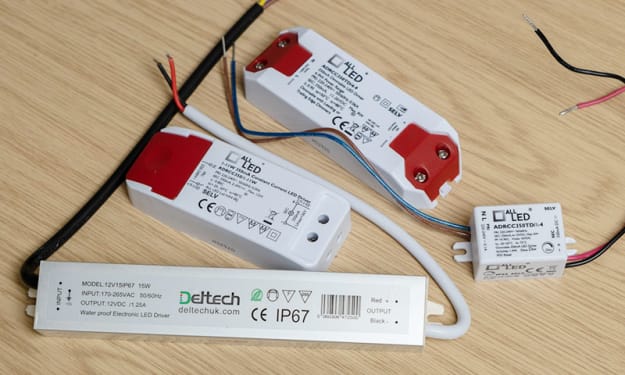
Rising adoption of energy-efficient lighting, supportive government regulations, and replacement of traditional lighting technologies are driving growth in the LED driver market. According to IMARC Group's latest research publication, The global LED driver market size reached USD 14.1 Billion in 2024. Looking forward, IMARC Group expects the market to reach USD 57.2 Billion by 2033, exhibiting a growth rate (CAGR) of 16.01% during 2025-2033.
By Michael Richardabout 8 hours ago in Futurism
Crypto ATMs: Bridging the Gap Between Digital Currency and the Physical World
Cryptocurrency has come a long way from being a niche technology discussed only in online forums. Today, digital assets like Bitcoin, Ethereum, and Litecoin are recognized across the globe, and one of the most visible signs of this growth is the rise of crypto ATMs. These machines, which resemble traditional bank ATMs, allow users to buy and sometimes sell cryptocurrency using cash or debit cards. Crypto ATMs are rapidly becoming a bridge between the digital economy and the physical world.
By Sajida Sikandar2 days ago in Futurism
Saudi Arabia Solar Street Lighting Market: Renewable Energy Adoption, Smart Controls & Infrastructure Modernization
According to IMARC Group's latest research publication, Saudi Arabia solar street lighting market size reached USD 64.7 Million in 2025. Looking forward, IMARC Group expects the market to reach USD 216.1 Million by 2034, exhibiting a growth rate (CAGR) of 14.34% during 2026-2034.
By Jeffrey Wilsona day ago in Futurism



Comments
There are no comments for this story
Be the first to respond and start the conversation.