
GCC Textile Market Analysis: Industry Overview, Key Players & Future Outlook
How Economic Diversification and Apparel Demand Are Reshaping the GCC Textile Market

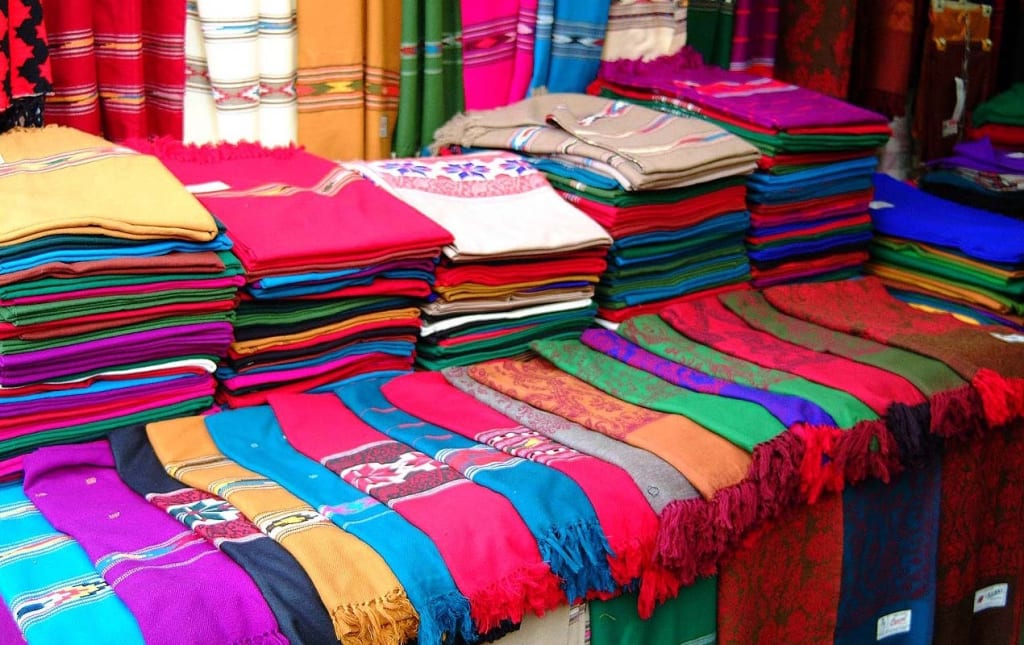
According to IMARC Group's latest research publication, GCC textile market size reached USD 20.9 Billion in 2025. The market is projected to reach USD 34.2 Billion by 2034, exhibiting a growth rate of 5.64% during 2026-2034.
How AI is Reshaping the Future of GCC Textile Market
- Automated Defect Detection: AI-powered computer vision systems scan fabrics at high speeds, detecting weaving errors, stains, and color inconsistencies instantly, reducing defect rates by up to 50% while maintaining strict quality standards.
- Predictive Maintenance: Machine learning algorithms analyze vibration, temperature, and operational patterns from looms and dyeing machines, predicting failures days in advance and reducing unplanned downtime by up to 50% across production facilities.
- Demand Forecasting and Inventory Optimization: AI systems analyze historical sales, seasonal trends, and consumer behavior to predict textile requirements accurately, preventing overproduction, reducing storage costs, and strengthening supply chain alignment from factory to retail.
- Smart Dyeing Process Control: AI manages dye concentration, water usage, and energy efficiency during fabric coloring, reducing chemical waste significantly while ensuring uniform dyeing results and supporting eco-friendly production standards throughout the region.
- Generative Design and Pattern Creation: AI tools create unique fabric designs by learning from trend data and consumer preferences, enabling manufacturers to produce personalized patterns and customized textiles at scale, accelerating innovation cycles significantly.
Get a Complimentary Sample Report with the Latest Market Intelligence
How Vision 2030 is Revolutionizing GCC Textile Industry
Vision 2030 initiatives across the GCC are transforming the textile sector through strategic economic diversification and local manufacturing investments. Saudi Arabia's Vision 2030 promotes domestic production and innovation, with major projects including the Red Sea development, Amaala, and Diriyah Gate targeting 150 million tourists, driving retail and textile demand. Riyadh Fashion Week hosts 30 designers over five days, with fashion sales projected to reach USD 32 billion, promoting Saudi luxury globally while emphasizing sustainability. The GCC fashion and luxury market reached USD 80 billion, with Saudi Arabia holding approximately 40% market share. Government-backed initiatives encourage adoption of eco-friendly processes, organic cotton, recycled fibers, and water-saving technologies. Smart factory investments and digital transformation programs accelerate AI integration in fabric inspection and supply-chain management, positioning the region as a competitive global player blending traditional craftsmanship with modern manufacturing excellence.
GCC Textile Market Trends & Drivers:
The GCC textile market is experiencing robust growth driven by rapid urbanization, large-scale infrastructure projects, and booming tourism creating consistent demand for technical, industrial, and luxury textiles. Saudi Arabia's strategic tourism projects aim to attract 150 million tourists, generating substantial retail and hospitality textile requirements. The growing middle class combined with high disposable incomes supports appetite for premium fabrics and tailored garments across the region. The global AI in textile market is projected to reach USD 68.44 billion by 2035, reflecting the sector's digital transformation momentum. Technical textiles market reached USD 255.12 billion, driven by construction, healthcare, automotive, and agriculture applications. Infrastructure investments, hospitality sector expansion, and premium consumer demand ensure sustained market growth, while cultural events showcase both traditional and modern textile designs throughout major GCC cities.
Sustainability and innovation are reshaping production strategies across the GCC textile landscape. Manufacturers are increasingly adopting eco-friendly materials including organic cotton, recycled fibers, and water-saving technologies to address environmental concerns and meet evolving consumer expectations. In December 2024, Fabrica Kraft, a sustainable fashion company, entered the GCC market launching collections in UAE, Saudi Arabia, Bahrain, Qatar, and Kuwait through strategic partnership with Falcon E-Commerce Solutions. Consumers prioritize sustainable fashion, with brands leaning toward environmentally conscious materials and production processes. The luxury textile segment continues expanding, with high-net-worth individuals driving demand for high-quality fabrics, embroidery, and custom-made designs. Premium textile manufacturing investments cater to regional and global requirements, with Saudi Arabia's monthly e-commerce fashion revenue reaching USD 201 million in August 2024, highlighting consistent consumer interest and online retail sector growth.
E-commerce and digital retailing are revolutionizing textile marketing and sales across the GCC. High internet penetration and tech-savvy populations make digital retail platforms crucial for textile sales, with fashion and home textile brands leveraging online channels to reach broader audiences while offering tailored products and personalized services. Regional logistics advancements including same-day delivery make online textile shopping highly convenient for consumers. In November 2024, Beyoung, an Indian fashion brand, partnered with Noon.com to enter the Middle Eastern market, emphasizing meeting UAE's demand for affordable, premium fashion. The UAE's first textile recycling facility, Landmark Circulife, launched at Dubai World Central with 2,000 metric ton annual processing capacity, supporting circular economy and sustainability goals. Advanced manufacturing processes, international brand collaborations, and smart textile innovations for healthcare, sports, and military sectors further accelerate market development throughout the forecast period.
GCC Textile Market Industry Segmentation:
The report has segmented the market into the following categories:
Raw Material Insights:
- Cotton
- Chemical
- Wool
- Silk
- Others
Product Insights:
- Natural Fibers
- Polyesters
- Nylon
- Others
Application Insights:
- Household
- Technical
- Fashion and Clothing
- Others
Country Insights:
- Saudi Arabia
- UAE
- Qatar
- Bahrain
- Kuwait
- Oman
Competitive Landscape:
The GCC textile market is characterized by intense competition among local manufacturers, regional players, and global brands. Local firms focus on traditional and cultural textiles, leveraging their understanding of regional preferences, while international brands dominate the luxury and fast-fashion segments. Government initiatives promoting domestic production and sustainability have encouraged investment in advanced manufacturing facilities, increasing competition within the region.
Recent News and Developments in GCC Textile Market
- December 2024: Landmark Group launched Landmark Circulife, the UAE's first textile recycling facility, at Dubai World Central. The facility, with an initial capacity to process 2,000 metric tons annually, supports the UAE's circular economy and sustainability goals while reducing environmental impact.
- December 2024: Fabrica Kraft, a sustainable fashion company, entered the GCC market, launching collections in the UAE, Saudi Arabia, Bahrain, Qatar, and Kuwait. This expansion is supported by a strategic partnership with Falcon E-Commerce Solutions to enhance sustainable fashion and accessibility in the region.
- November 2024: Beyoung, an Indian Fashion Brand partnered with the e-commerce platform, Noon.com to enter the Middle Eastern market. The brand emphasized meeting the UAE's demand for affordable, premium fashion while connecting with its untapped consumer base.
- February 2024: Al Obaidani, a leading Dishdasha brand in Oman, launched a new collection of high-quality fabrics for Eid, offering a variety of choices, including new and improved fabric lines. The brand continues expanding its retail presence, emphasizing quality, comfort, and innovation.
Note: If you require specific details, data, or insights that are not currently included in the scope of this report, we are happy to accommodate your request. As part of our customization service, we will gather and provide the additional information you need, tailored to your specific requirements. Please let us know your exact needs, and we will ensure the report is updated accordingly to meet your expectations.
About the Creator
Abhay Rajput
I am working in market research company that provides market and business research intelligence across the globe.
Keep reading
More stories from Abhay Rajput and writers in Futurism and other communities.
UAE Advertising Market Analysis: Industry Overview, Key Players & Future Outlook
According to IMARC Group's latest research publication, UAE advertising market size reached USD 3.38 Billion in 2024. The market is projected to reach USD 5.74 Billion by 2033, exhibiting a growth rate of 5.42% during 2025-2033.
By Abhay Rajput2 days ago in Futurism
Digital Content Creation Market Trends: Social Media Expansion & Forecast to 2034
The rapid growth of social media platforms, increasing demand for video content, and the widespread adoption of AI-powered automation tools are fueling expansion in the digital content creation market. This momentum is further strengthened by the shift toward cloud-based platforms, the rise of influencer marketing, and growing investment in personalized, mobile-first content strategies. According to IMARC Group's latest data, The global digital content creation market size was valued at USD 18.90 Billion in 2024. Looking forward, IMARC Group estimates the market to reach USD 49.33 Billion by 2033, exhibiting a CAGR of 10.69% during 2025-2033. North America currently dominates the market, holding a significant market share of over 34.3% in 2024.
By Michael Richard2 days ago in Futurism
The Future of Airport Terminal Operations: Market Dynamics and Digital Transformation
According to IMARC Group's latest research publication, The global airport terminal operations market size reached USD 6.7 Billion in 2024. Looking forward, IMARC Group expects the market to reach USD 13.1 Billion by 2033, exhibiting a growth rate (CAGR) of 7.32% during 2025-2033.
By Suhaira Yusuf5 days ago in Futurism




Comments
There are no comments for this story
Be the first to respond and start the conversation.