
Gasoline powered cars and electric cars
differences of gasoline-powered cars and electric cars
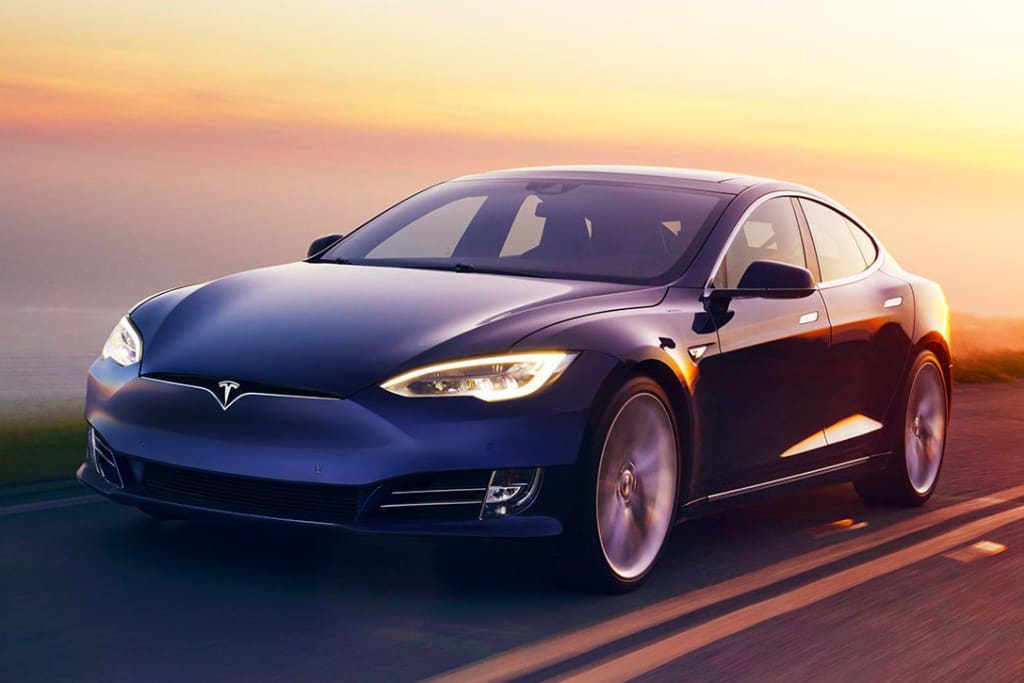
Cars are one of the most ubiquitous forms of transportation in the world, and as society progresses, so does the technology behind them. The traditional internal combustion engine has long been the standard for vehicles, but in recent years, electric vehicles (EVs) have started to gain popularity as a viable alternative. In this essay, we will examine the key differences and advantages of gas-powered and electric cars in depth.
First, let's discuss the main difference between gas-powered and electric cars: the source of their power. Gas-powered cars use an internal combustion engine that burns gasoline to produce energy. This energy is then used to power the car's transmission, which ultimately propels the vehicle forward. On the other hand, electric cars use an electric motor powered by batteries to provide the energy needed to move the car. This fundamental difference between the two types of vehicles has significant implications in terms of performance, environmental impact, and cost.
One of the most significant advantages of electric cars is that they emit no tailpipe emissions. This means that electric cars produce zero emissions while driving, which is a huge benefit for the environment. In contrast, gas-powered cars release pollutants such as carbon monoxide, nitrogen oxides, and particulate matter, all of which contribute to air pollution and climate change. While hybrid gas-electric cars can partially mitigate these issues, they still produce emissions and are not as environmentally friendly as fully electric vehicles.
Another advantage of electric cars is that they are generally more efficient than gas-powered cars. Electric cars convert around 60% of the energy from their battery to power the wheels, while gas-powered cars only convert around 20% of the energy from their gasoline to move the car. This means that electric cars can travel further on the same amount of energy, which is a significant advantage in terms of both cost and convenience.
The efficiency of electric cars is also reflected in their lower operating costs. Since electric cars don't use gasoline or oil, they are less expensive to maintain than gas-powered cars. Electric cars have fewer moving parts and require less frequent maintenance, such as oil changes or tune-ups. Additionally, electric cars can be recharged at home, which means that owners don't have to make as many trips to the gas station, saving them both time and money.
While electric cars have many advantages, gas-powered cars still have some significant benefits. One of the most notable is their range. Gas-powered cars can travel much further on a full tank of gas than electric cars can on a single charge. This makes gas-powered cars a better option for people who frequently take long trips or don't have access to charging stations on their regular routes.
Another advantage of gas-powered cars is their widespread availability. Gas stations can be found almost everywhere, which means that drivers can refuel their cars quickly and easily. In contrast, charging stations for electric cars are still relatively rare, particularly in rural areas. This can make it more challenging to drive an electric car on long trips or in areas with limited charging infrastructure.
Finally, it's important to consider the performance differences between gas-powered and electric cars. Gas-powered cars generally offer more power and faster acceleration than electric cars, particularly in larger vehicles. However, electric cars are often smoother and quieter to drive, which many drivers find more pleasant.
In conclusion, there are several key differences and advantages between gas-powered and electric cars. Electric cars have zero emissions, are more energy-efficient, and have lower operating costs than gas-powered cars. However, gas-powered cars have longer range and greater availability, which makes them a more practical choice for many drivers. Ultimately, the choice between the two types of vehicles depends on individual needs, driving habits, and priorities. As electric vehicle technology continues to improve, it's likely that we will see more people switching to electric cars in the coming years.
About the Creator
yasn ege
ok
About Binding Prometheus
I want to start actively advocating on behalf of my own work, and the most valuable part of my canon is, without a doubt, Binding Prometheus, the play I have been working on since 2019 and only finished in 2023 as part of my MA. The play itself is an amalgamation of a million different inspirations. On one end, it evokes the Ancient Greek myth-play, deriving its own title from the earliest extant work of Western drama we have, Aeschylus’s Prometheus Bound. On the other end, it borrows significantly from the sci-fi bulwarks from over the years, namely Mary Shelley’s Frankenstein and Karel Capek’s Rossum’s Universal Robots. The play could be an episode of Black Mirror, I fear. I don’t know. I’ve only ever seen one episode of Black Mirror.
By Steven Christopher McKnight21 days ago in Futurism
Saudi Arabia Dried Fruits and Nuts Market Analysis: Key Players and Market Forecast
According to IMARC Group's latest research publication, the Saudi Arabia dried fruits and nuts market size reached USD 590.61 Million in 2024. The market is projected to reach USD 1,059.61 Million by 2033, exhibiting a growth rate of 6.71% during 2025-2033.
By Abhay Rajputabout 22 hours ago in Futurism



Comments
There are no comments for this story
Be the first to respond and start the conversation.