
Forging Industry in Saudi Arabia: Current Market Size, Trends & Outlook
How Technological Advancements and Demand for Precision are Shaping the Saudi Arabia Forging Market

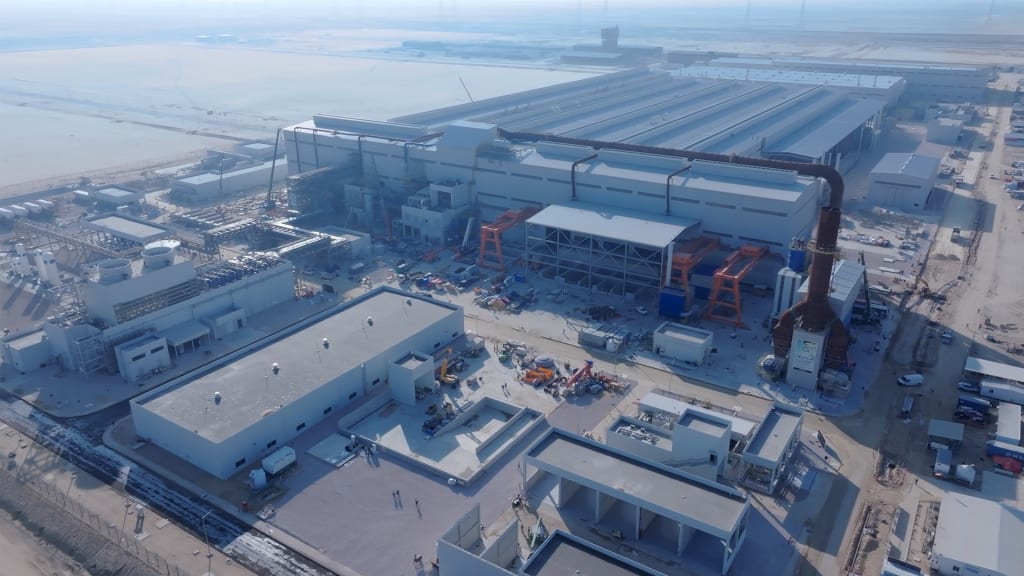
According to IMARC Group's latest research publication, Saudi Arabia forging market size reached USD 111.33 Million in 2024. The market is projected to reach USD 172.89 Million by 2033, exhibiting a growth rate of 4.50% during 2025-2033.
How AI is Reshaping the Future of Saudi Arabia Forging Market
- Predictive Process Control and Defect Reduction: Machine learning algorithms monitor forging parameters in real-time, detecting potential defects before they occur and reducing scrap rates by up to 30% across metal forming operations.
- Digital Twin Simulation for Process Optimization: AI-powered virtual replicas simulate thermal, mechanical, and material flow behavior before actual production, enabling engineers to optimize die design, reduce trial runs, and cut development time significantly.
- Smart Quality Inspection Systems: Neural network image recognition systems automate visual inspection during forging stages, ensuring accuracy and efficiency in critical quality control processes while minimizing manual testing requirements.
- Intelligent Production Scheduling: Reinforcement learning algorithms optimize equipment utilization, material flow, and energy consumption, increasing inventory turnover by up to 73% and boosting overall operational efficiency in forging facilities.
- Automated Maintenance Planning: AI analyzes equipment sensor data to forecast component failures and prevent unplanned downtime, allowing forging plants to schedule maintenance proactively and maintain consistent production output.
Explore Updated 2026 Market Trends & Analysis
Saudi Arabia Forging Market Trends & Drivers:
The Saudi Arabia forging market is experiencing steady expansion driven by unprecedented infrastructure investment and industrial diversification efforts. Vision 2030's megaprojects—including the Red Sea Project, NEOM city, Qiddiya entertainment complex, and numerous industrial parks—are creating massive demand for high-grade forged components like structural beams, supports, and critical safety elements. The government's emphasis on local manufacturing is backed by concrete initiatives: industrial facilities have surged 60% since 2016, rising from 7,206 to 11,549 establishments by 2023, with 165 licenses specifically issued for formed metal production. The Tuwaiq facility represents Saudi Arabia's largest forging investment, bringing previously unavailable heavy forging capabilities to the region. Energy sector expansion, particularly in oil, gas, and petrochemicals, continues driving demand for forged valves, flanges, drill bits, and subsea equipment that can withstand extreme pressures and temperatures in harsh operational environments.
The automotive sector's rapid expansion is reshaping forging demand patterns across the Kingdom. Ceer, Saudi Arabia's electric vehicle manufacturer, secured SAR 5.5 billion in agreements during February 2025, including partnerships with Saudi Aluminum Casting Co. and CTR to localize aluminum casting and forging capabilities. The King Salman Automotive Complex in King Abdullah Economic City provides an integrated manufacturing environment targeting 300,000 vehicles annually, requiring substantial volumes of forged engine components, transmission systems, suspension parts, and chassis elements. This localization push reduces import dependence while creating thousands of skilled manufacturing jobs. The shift toward electric vehicles introduces new forging requirements for lightweight, high-strength drivetrain components and battery housings. Government incentives for foreign carmakers, combined with strategic location advantages for regional export, position Saudi Arabia as an emerging automotive manufacturing hub that will consume growing volumes of specialized forged products over the coming decade.
Advanced manufacturing technology adoption and sustainability initiatives are fundamentally changing how forging operations function in Saudi Arabia. SMS group's supply of high-speed open-die forging presses to the Tuwaiq facility includes comprehensive digital packages that enhance process transparency, reduce maintenance costs, and improve productivity through real-time monitoring and data analytics. The integration of CNC-controlled forging machines, automated heat treatment systems, and Industry 4.0 principles is boosting production efficiency while maintaining tight tolerances required for aerospace-grade and precision automotive applications. Essar Group's USD 4 billion low-carbon steel plant in Ras Al-Khair demonstrates the Kingdom's commitment to sustainable manufacturing, designed to produce 4 million tons annually using environmentally responsible processes. The aluminum complex at Ras Al-Khair, combined with expanding phosphate and mineral production capabilities, ensures reliable access to raw materials for forging operations. Strategic partnerships with international technology providers facilitate knowledge transfer, helping Saudi forging companies compete on quality and innovation while serving both domestic megaprojects and growing export markets across the Gulf region and Africa.
Saudi Arabia Forging Market Industry Segmentation:
The report has segmented the market into the following categories:
Technique Insights:
- Closed Die Forging
- Open Die Forging
- Seamless Forging
Material Insights:
- Nickel-based Alloys
- Titanium Alloys
- Aluminum Alloys
- Steel Alloys
Industry Insights:
- Automotive
- Aerospace
- Railway
- Heavy Equipment
- Wind Power
Regional Insights:
- Northern and Central Region
- Western Region
- Eastern Region
- Southern Region
Competitive Landscape:
The competitive landscape of the industry has also been examined along with the profiles of the key players.
Recent News and Developments in Saudi Arabia Forging Market
- February 2025: Ceer, a Saudi electric vehicle manufacturer, secured agreements worth SAR 5.5 billion, including partnerships with Saudi Aluminum Casting Co. and CTR to localize aluminum casting and forging. These initiatives support Vision 2030, enhancing domestic automotive manufacturing and supply chains.
- 2024: Essar Group committed USD 4 billion to establish a low-carbon steel plant in Ras Al-Khair, Saudi Arabia. The facility is designed to produce 4 million tons of steel annually, addressing the increasing domestic demand, especially for large-scale infrastructure projects.
- 2024: SMS Group supplied two high-speed open-die forging presses to Saudi Arabia's largest casting and forging plant, the Tuwaiq Casting & Forging Facility. The presses will manufacture parts for petrochemical plants, shipbuilding, wind farms, and power stations, with digital packages enhancing process transparency and productivity.
Note: If you require specific details, data, or insights that are not currently included in the scope of this report, we are happy to accommodate your request. As part of our customization service, we will gather and provide the additional information you need, tailored to your specific requirements. Please let us know your exact needs, and we will ensure the report is updated accordingly to meet your expectations.
About the Creator
Abhay Rajput
I am working in market research company that provides market and business research intelligence across the globe.
Keep reading
More stories from Abhay Rajput and writers in Futurism and other communities.
Saudi Arabia Ferrous Scrap Recycling Market Outlook: Growth Trends and Future Opportunities
According to IMARC Group's latest research publication, Saudi Arabia ferrous scrap recycling market size reached USD 1.38 Million in 2024. The market is projected to reach USD 2.15 Million by 2033.
By Abhay Rajputa day ago in Futurism
About Binding Prometheus
I want to start actively advocating on behalf of my own work, and the most valuable part of my canon is, without a doubt, Binding Prometheus, the play I have been working on since 2019 and only finished in 2023 as part of my MA. The play itself is an amalgamation of a million different inspirations. On one end, it evokes the Ancient Greek myth-play, deriving its own title from the earliest extant work of Western drama we have, Aeschylus’s Prometheus Bound. On the other end, it borrows significantly from the sci-fi bulwarks from over the years, namely Mary Shelley’s Frankenstein and Karel Capek’s Rossum’s Universal Robots. The play could be an episode of Black Mirror, I fear. I don’t know. I’ve only ever seen one episode of Black Mirror.
By Steven Christopher McKnight20 days ago in Futurism
Gelatin Market: Clean Label Demand, Functional Ingredients & Food Industry Expansion
According to IMARC Group's latest research publication, global gelatin market size reached 4,70,970 Tons in 2024. Looking forward, IMARC Group expects the market to reach 5,36,020 Tons by 2033, exhibiting a growth rate of 1.3% during 2025-2033.
By sujeet. imarcgroup6 days ago in Futurism


Comments
There are no comments for this story
Be the first to respond and start the conversation.