
Exploring the World of Sustainable Fashion
Making Conscious Choices for a Greener Tomorrow

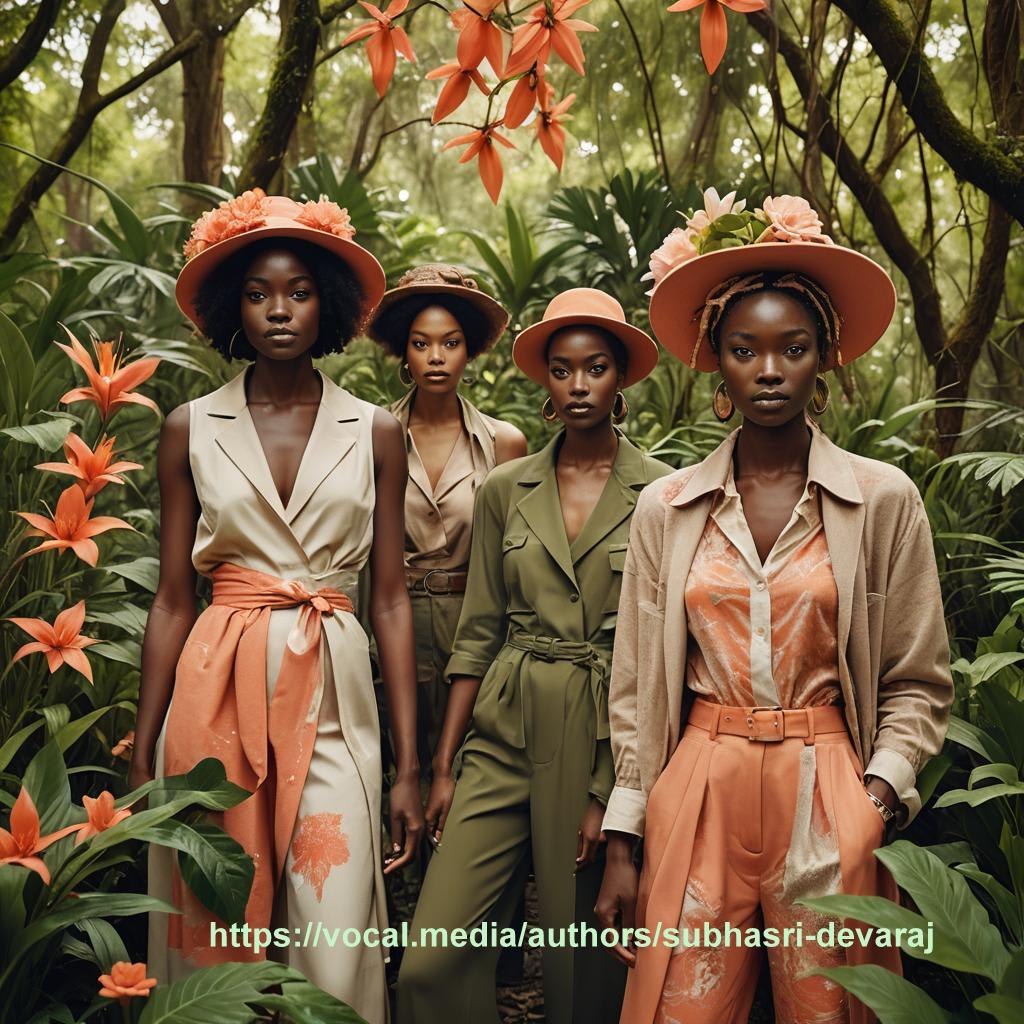
In recent years, the fashion industry has faced increasing scrutiny over its environmental and social impacts. With the rise of fast fashion, the consequences of rapid production and consumption have become evident, leading to a growing movement toward sustainable fashion. But what does sustainable fashion really mean, and how can we be part of this positive change?
Understanding Sustainable Fashion
Sustainable fashion refers to clothing, accessories, and footwear that are designed, produced, and consumed in a way that minimizes harm to the environment and promotes ethical practices. This approach considers the entire lifecycle of a garment, from the materials used to the labor conditions of the people who make it, and the impact it has on the planet.
The Environmental Impact
The fashion industry is one of the largest polluters in the world. From excessive water use in cotton farming to toxic dyes leaching into rivers, the environmental footprint is significant. Sustainable fashion aims to address these issues by advocating for:
Eco-friendly Materials: Designers are increasingly opting for organic cotton, hemp, Tencel, and recycled fabrics. These materials require fewer resources to produce and reduce waste.
Ethical Production: Sustainable brands prioritize fair labor practices, ensuring workers are paid a living wage and work in safe conditions. This contrasts sharply with many fast fashion companies that exploit cheap labor.
Reduced Waste: The concept of “slow fashion” encourages consumers to buy less but invest in higher-quality, timeless pieces that last longer. Brands are also exploring recycling and upcycling to minimize waste.
The Social Aspect
Sustainable fashion is not just about the environment; it's also about social responsibility. Many sustainable brands are founded on the principles of inclusivity and diversity. They aim to provide clothing for all body types and advocate for representation in their marketing.
Furthermore, sustainable fashion promotes a shift in consumer behavior. By choosing to support ethical brands, consumers can send a powerful message to the industry, encouraging more companies to adopt sustainable practices.
Tips for Embracing Sustainable Fashion
Educate Yourself: Research brands before making purchases. Look for certifications like Fair Trade, GOTS (Global Organic Textile Standard), or other ethical labels.
Buy Secondhand: Thrift stores, consignment shops, and online resale platforms offer unique clothing options while keeping textiles out of landfills.
Invest in Quality: Choose pieces that are well-made and timeless. Higher-quality items may have a higher upfront cost but save money in the long run as they don’t need to be replaced frequently.
Care for Your Clothes: Proper washing and care can extend the life of your garments. Follow care instructions and consider air-drying to reduce energy consumption.
Participate in Clothing Swaps: Organize or join local clothing swaps with friends or community members to refresh your wardrobe without spending money.
The Future of Fashion
As awareness of environmental and social issues grows, the demand for sustainable fashion is likely to increase. Brands that prioritize sustainability and ethical practices are not only more appealing to conscious consumers but are also setting a precedent for future generations.
In conclusion, exploring the world of sustainable fashion is not just a trend; it’s a necessary shift toward a more ethical and environmentally friendly industry. By making informed choices and supporting sustainable brands, we can contribute to a more sustainable future for fashion and the planet.
About the Creator
Keep reading
More stories from Subhasri Devaraj and writers in Futurism and other communities.
From Strangers to Soulmates: A Love Story Written in the Stars
Maya believed in destiny. Always had. Whether it was the alignment of the stars or the intricate dance of fate, she held firm in her belief that the universe was a storyteller. Arjun, on the other hand, scoffed at the notion. To him, life was ruled by logic, science, and the choices people made—not some whimsical cosmic force. They couldn’t have been more different. And yet, they were about to become the perfect example of how life has a way of surprising us.
By Subhasri Devarajabout a year ago in Fiction
About Binding Prometheus
I want to start actively advocating on behalf of my own work, and the most valuable part of my canon is, without a doubt, Binding Prometheus, the play I have been working on since 2019 and only finished in 2023 as part of my MA. The play itself is an amalgamation of a million different inspirations. On one end, it evokes the Ancient Greek myth-play, deriving its own title from the earliest extant work of Western drama we have, Aeschylus’s Prometheus Bound. On the other end, it borrows significantly from the sci-fi bulwarks from over the years, namely Mary Shelley’s Frankenstein and Karel Capek’s Rossum’s Universal Robots. The play could be an episode of Black Mirror, I fear. I don’t know. I’ve only ever seen one episode of Black Mirror.
By Steven Christopher McKnight18 days ago in Futurism
CBRN Defense Market: National Security, Risk Preparedness & Industry Expansion
According to IMARC Group's latest research publication, The global CBRN defense market size was valued at USD 21.55 Billion in 2024. Looking forward, IMARC Group estimates the market to reach USD 33.11 Billion by 2033, exhibiting a CAGR of 4.64% during 2025-2033.
By James Whitman4 days ago in Futurism
Wild Card Weekend Recap: What Happens Now?
I think I figured out why I love Wild Card Weekend so much. It's because it's the first playoff anything of the calendar year. The NFL season starts in the fall, and once upon a time, the champion was crowned either on or slightly before New Year's. The evolution of the NFL schedule has resulted in the playoffs starting just into the New Year, and currently, the final week of the season falls on the first weekend of the New Year, with Wild Card Weekend coming a week after that. So yes, chronologically, the NFL's Wild Card Weekend serves as the first playoff anything of the calendar year.
By Clyde E. Dawkins6 days ago in Unbalanced




Comments
There are no comments for this story
Be the first to respond and start the conversation.