
Europe Whey Protein Ingredients Market 2025–2033: The Protein Powerhouse Fueling a Healthier Future
How fitness culture, functional foods, and science-driven nutrition are shaping a €600M industry boom


The European health revolution is no longer a trend—it’s a lifestyle. From high-protein snacks on supermarket shelves to whey-blended sports shakes in gym lockers, Europe is witnessing a nutrition transformation powered by performance ingredients. According to Renub Research, the Europe Whey Protein Ingredients Market is set to rise from US$ 387.08 million in 2024 to US$ 604.9 million by 2033, registering a CAGR of 5.10% (2025–2033).
This growth is fueled by increasing fitness awareness, rapid adoption of functional nutrition, demand for protein fortification, and continuous product innovation across food, supplement, and lifestyle sectors. What was once a niche product for weightlifters has now evolved into an everyday ingredient for children, athletes, working professionals, and even seniors.
Europe’s Protein Awakening: Why Whey Is Winning
Modern consumers want nutrition that works—whether it's supporting muscle recovery, managing weight, boosting immunity, or improving overall energy levels. Whey protein ticks all those boxes and more. Known for its high biological value, complete amino acid profile, and quick absorption, whey has become a scientifically supported cornerstone of modern diets.
Its popularity rests on several influential megatrends:
Fitness Culture Explosion: Europe houses more than 63,173 health and fitness clubs, making it one of the most active fitness regions globally.
Clean Label Expectations: Consumers increasingly want ingredients they understand, trust, and perceive as natural.
Convenience Nutrition: High-protein bars, RTDs (ready-to-drink), and fortified snacks are replacing traditional meal formats.
Personalized Dieting: Nutrition is becoming tailored to individual goals—fat loss, muscle gain, mobility, recovery, and endurance.
Interestingly, 46% of European consumers already perceive protein bars as healthy snacks, while 16% consume protein-fortified snacks weekly, showcasing how mainstream protein consumption has become.
Market Growth Drivers: The Engine Behind Europe’s Whey Surge
🔹 1. Fitness and Sports Nutrition Mainstreaming
Whey protein is now the default choice for gym-goers, cyclists, runners, and even recreational fitness enthusiasts. It plays a vital role in:
✔ Muscle synthesis
✔ Faster recovery
✔ Lean mass development
✔ Post-workout nutrition optimization
With sports nutrition moving beyond professional athletics into daily wellness, whey protein is now widely consumed by lifestyle users, not just bodybuilders.
🔹 2. Functional Foods + On-The-Go Nutrition
Europe’s fast-paced lifestyle is reshaping the food ecosystem. Convenience no longer means unhealthy—today, it means:
High-protein baked goods
Yogurts with whey isolates
Protein-infused cereals
Grab-and-go shakes
Low-sugar fortified snacks
Whey blends seamlessly into these categories, providing manufacturers a reliable, nutrient-dense formulation base.
🔹 3. Hybrid Diets & Protein Diversity
While plant-based diets are growing, many Europeans are adopting flexitarian or hybrid dietary habits, where dairy proteins coexist with plant proteins for optimal nutrition. Whey remains preferred by many due to:
Better digestibility
Higher amino acid density
Superior muscle protein synthesis compared to most plant proteins
Even in plant-focused markets, whey protein isolate—with minimal lactose—is gaining traction among sensitive consumers.
🔹 4. Ingredient Innovation
R&D breakthroughs are enabling:
Faster-dissolving whey formulations
Improved flavor masking
Clear whey beverages
Cold-soluble protein blends
Lactose-reduced and hydrolyzed variants
These developments broaden consumer reach and application versatility across multiple categories.
Challenges Standing in the Way
⚠ 1. Plant-Based Competition
Proteins derived from peas, rice, soy, and oats are capturing consumer attention, driven by sustainability claims and allergen-friendly positioning.
Many buyers now associate plant proteins with lower carbon impact and ethical consumption, creating brand-level challenges for whey manufacturers to prove competitive sustainability credentials.
⚠ 2. Misinformation and Consumer Hesitation
Despite low lactose content in high-grade whey proteins like isolates, misconceptions persist that dairy proteins trigger intolerance, discouraging some users.
Additionally, confusion around protein safety, synthetic additives, and processing methods often impacts purchase decisions.
✔ The solution lies in transparency, education, clinical backing, and clean labeling.
Regional Market Insights
🇫🇷 France
France is witnessing rising demand for ethical, eco-conscious, and functional protein products. Whey is especially popular in:
Weight management supplements
Premium snack bars
Clean-label beverages
However, the plant-based movement is strong here, pushing brands toward “sustainable whey” messaging backed by traceability and environmental compliance.
🇬🇧 United Kingdom
With one of Europe’s most fitness-driven populations, the UK leads in:
Sports supplements
RTD protein drinks
Nutritional snack innovations
Sustainability remains a central theme, and brands increasingly promote ethical sourcing and low-carbon production models.
🇩🇪 Germany
German consumers prioritize:
Product quality
Scientific credibility
Nutritional effectiveness
Whey is deeply integrated into functional foods, gym nutrition, and preventative wellness. Clean-label products and GM-free formulations have strong demand.
🇮🇹 Italy
Italy is blending health nutrition with lifestyle food culture, driving whey adoption in:
High-protein baked foods
Dairy + whey hybrids
Snack bars tailored to active lifestyles
Italian brands are also emphasizing natural flavors and sustainable production ethics.
Market Segmentation
By Type
Whey Protein Concentrate
Whey Protein Isolate
Hydrolyzed Whey Protein
By Application
Sports Nutrition
Functional Foods
Infant Formula
Bakery & Confectionery
By End User
Animal Feed
Food & Beverages
Bakery, Beverages, Cereals, Sauces, Confectionery, Dairy, RTE/RTC, Snacks
Personal Care & Cosmetics
Supplements
Baby & Infant Nutrition
Elderly & Medical Nutrition
Sport/Performance Nutrition
By Countries
Belgium, France, Germany, Italy, Netherlands, Russia, Spain, Turkey, UK, Rest of Europe
Competitive Landscape: Market Innovators
Company Key Strengths
Arla Foods Global dairy leader, strong sports nutrition portfolio
FrieslandCampina Innovation-led product formulations
Groupe Lactalis Extensive dairy ecosystem
Carbery Food Ingredients Taste & functional system expertise
MEGGLE GmbH Ingredient specialization
Agrial, Lactoprot, Morinaga, Sodiaal High-quality dairy-based whey solutions
All companies are evaluated across:
✔ Overview ✔ Key Leadership ✔ Recent Developments ✔ Revenue Performance
The Road Ahead: Europe’s Protein Future
The whey protein ingredients market is no longer simply about muscle—it’s about metabolism, immunity, longevity, convenience, taste, and personalization. Over the next decade, expansion will be driven by:
Integration into everyday foods, not just supplements
Transparent and sustainable dairy supply chains
Hybrid protein innovation (whey + plant blends)
Medical and elderly nutrition formulations
Lactose-free, allergen-friendly formulations
Whey protein is evolving from a gym supplement to a mainstream nutrition essential.
Final Thoughts
The European whey protein landscape reflects a future where nutrition is powerful, personalized, and purpose-driven. With forecasted revenue surpassing US$ 604.9 million by 2033, the protein revolution is no longer on the horizon—it’s already in motion.
As Europe continues to champion health, performance, and smarter nutritional choices, whey protein ingredients are poised to retain their position at the heart of functional food innovation.
About the Creator
Marthan Sir
Educator with 30+ years of teaching experience | Passionate about sharing knowledge, life lessons & insights | Writing to inspire, inform, and empower readers.
Keep reading
More stories from Marthan Sir and writers in Futurism and other communities.
Europe Automotive Robotics Market Poised for Massive Growth as AI and EV Production Reshape Manufacturing
The European automotive sector is entering a new era—one where robots assemble cars, AI predicts failures before they happen, and smart factories set record efficiency benchmarks. According to Renub Research, the Europe Automotive Robotics market is forecasted to surge from US$ 2.95 billion in 2024 to US$ 7.37 billion by 2033, expanding at a strong CAGR of 10.70% from 2025 to 2033.
By Marthan Sir2 months ago in Futurism
About Binding Prometheus
I want to start actively advocating on behalf of my own work, and the most valuable part of my canon is, without a doubt, Binding Prometheus, the play I have been working on since 2019 and only finished in 2023 as part of my MA. The play itself is an amalgamation of a million different inspirations. On one end, it evokes the Ancient Greek myth-play, deriving its own title from the earliest extant work of Western drama we have, Aeschylus’s Prometheus Bound. On the other end, it borrows significantly from the sci-fi bulwarks from over the years, namely Mary Shelley’s Frankenstein and Karel Capek’s Rossum’s Universal Robots. The play could be an episode of Black Mirror, I fear. I don’t know. I’ve only ever seen one episode of Black Mirror.
By Steven Christopher McKnight19 days ago in Futurism
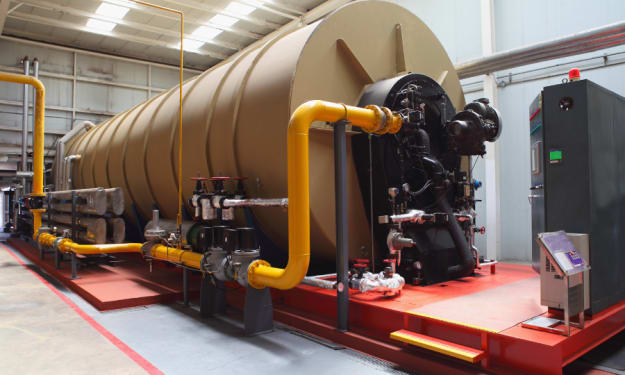
Saudi Arabia Boiler Market: Clean Energy Transition, Vision 2030, Emission Control & Modern Heating Systems
Saudi Arabia's boiler market grows through Vision 2030-driven industrialization, with rising demand in petrochemicals and power plants. Innovations like energy-efficient and biomass-fired models support sustainability goals, while Aramco expansions boost adoption of advanced systems amid rapid infrastructure projects. According to IMARC Group's latest research publication, Saudi Arabia boiler market size reached USD 902.70 Million in 2024. The market is projected to reach USD 1,631.91 Million by 2033, exhibiting a growth rate (CAGR) of 6.10% during 2025-2033.
By Jeffrey Wilson7 days ago in Futurism



Comments
There are no comments for this story
Be the first to respond and start the conversation.