
Elon Musk’s Makeshift AI Power Plant Sparks Outcry in Mississippi
Residents say 27 roaring gas turbines powering xAI’s data centers are disrupting sleep, raising pollution fears, and testing the limits of community consent.

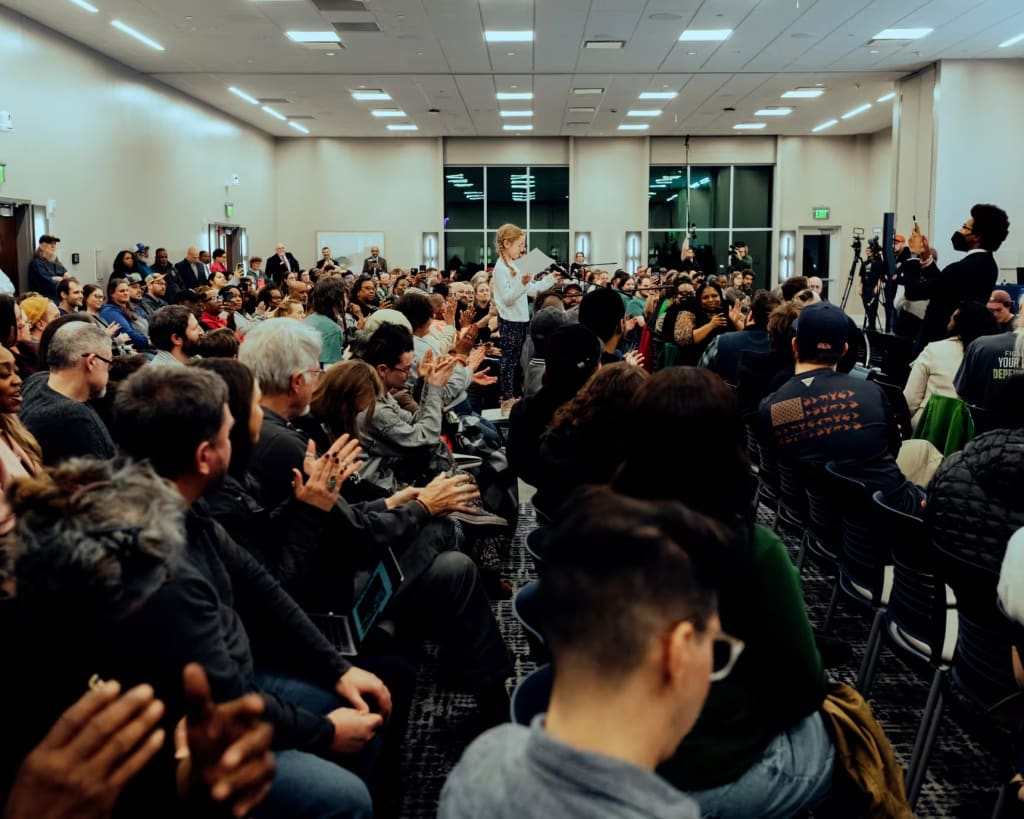
In Southaven, Mississippi, a quiet residential road has become the unlikely front line of the artificial intelligence boom. Residents say the constant roar of temporary gas turbines installed by Elon Musk’s AI company, xAI, sounds like jet engines running day and night.
What began last summer with 18 methane-powered turbines has since expanded to 27. The units were brought in on trailers to generate electricity for Musk’s growing AI data center operations. Now, the company has applied for permits to install 41 permanent turbines at the 114-acre site — a move that has intensified public backlash.
What Is News
xAI purchased a long-dormant power plant in Southaven and plans to invest more than $20 billion in the area.
The company installed 27 temporary methane gas turbines to power AI data centers.
xAI has applied for permits to install 41 permanent turbines.
Hundreds of residents attended a public hearing to oppose the expansion.
Environmental groups, including the NAACP and the Southern Environmental Law Center, are preparing legal challenges.
The Mississippi Department of Environmental Quality says temporary turbines do not require air permits but cannot operate longer than one year.
A Constant Roar
Eddie Gossett, 76, says he first thought an airport runway had opened near his home. Instead, he discovered that mobile gas turbines had been activated nearby. He and his neighbors describe the sound as relentless — loud enough to disrupt sleep and daily life.
Nine additional turbines were delivered in December, bringing the total to 27. Residents argue that the rollout happened with little warning and limited consultation.
At a February 17 public hearing, none of the attendees spoke in favor of granting xAI permits for permanent turbines. Many voiced concerns about noise pollution, air quality, and long-term health risks.
Environmental and Health Concerns
Gas turbines burn methane and emit nitrogen oxides and other pollutants. The Southern Environmental Law Center has warned that such turbines can release hazardous chemicals, including formaldehyde.
Some residents report respiratory issues since the turbines began operating, though no definitive link has been publicly established. The Mississippi Department of Environmental Quality says it regulates air quality and previously urged xAI to minimize nitrogen oxide emissions.
The NAACP has accused xAI of powering up turbines without proper permitting and says it intends to pursue legal action under the Clean Air Act. Environmental advocates argue that the scale of the temporary turbines rivals that of a conventional power plant.
xAI has previously stated that it complies with regulations and uses technology to limit emissions. The company did not respond to specific questions about the Southaven controversy.
Economic Promise vs. Local Impact
Southaven Mayor Darren Musselwhite has described the noise as a “legitimate concern” but remains supportive of the project, emphasizing economic benefits. He says the facility could generate millions in revenue and new jobs.
The city recently accepted a $1.38 million donation from an affiliated company for its police department. Supporters compare the opportunity to past major investments, such as FedEx’s regional expansion decades ago.
However, critics argue that the speed and scale of the expansion left little room for public input. Some residents wear shirts reading “Not all money is good money,” reflecting skepticism that economic gains justify environmental and quality-of-life tradeoffs.
What Is Analysis
The Southaven dispute highlights a broader national tension: the explosive growth of AI infrastructure versus local community consent.
AI data centers require enormous electricity. Rather than relying solely on regional grids, companies are increasingly building dedicated power generation facilities to ensure reliability and scale. But when that generation depends on fossil fuels — even temporarily — it creates friction between climate goals and technological ambition.
The speed of deployment is another flashpoint. xAI’s rapid installation of temporary turbines resembles similar actions in Memphis, where environmental groups also raised concerns. Critics argue that temporary infrastructure is being used as a shortcut to avoid lengthy permitting processes for permanent facilities.
At the same time, political dynamics complicate the debate. Some officials frame opposition as politically motivated resistance to Musk. Yet many residents insist their concerns are apolitical and focused on health, sleep, and property values.
There is also a deeper anxiety beneath the noise complaints. AI promises economic transformation but also threatens job displacement. For some residents, the turbines represent not only environmental disruption but a technological shift that could reshape employment and local economies in unpredictable ways.
A National Pattern
Southaven is not alone. Across the United States, data center expansions have triggered pushback. In Northern Virginia’s “Data Center Alley,” residents have complained about constant humming and landscape changes. According to Data Center Watch, an estimated $98 billion in data center projects were blocked or stalled last year due to local opposition.
Even at the federal level, leaders have encouraged companies to build their own power plants to meet AI’s surging electricity demand. That encouragement, however, does not erase the environmental tradeoffs or community tensions that follow.
What Comes Next
xAI’s request to install permanent turbines could be approved as soon as next month. Mayor Musselwhite says engineers are studying additional sound barriers and that permanent turbines will be quieter.
For residents like Taylor Logsdon and Jason Haley, who co-founded the Safe and Sound Coalition, mitigation efforts have been insufficient. They argue that noise controls should have been installed before turbines went live.
The Mississippi Department of Environmental Quality says temporary turbines cannot operate beyond one year, but legal challenges could reshape that timeline.
For now, the turbines continue to roar.
The Southaven conflict illustrates a critical question facing the AI era: How far and how fast should infrastructure scale — and who decides the acceptable cost?
As the race to build artificial intelligence accelerates, communities like this Mississippi town are discovering that the future of computing may arrive not quietly in the cloud, but loudly on their doorstep.
About the Creator
Keep reading
More stories from Behind the Tech and writers in Futurism and other communities.
‘Incoherent’: Hegseth’s Anthropic Ultimatum Confounds AI Policymakers
Defense Secretary Pete Hegseth has triggered alarm across the AI policy and legal communities after issuing an ultimatum to Anthropic, demanding the company lift key usage restrictions on its Claude AI model or face severe government retaliation.
By Behind the Techa day ago in Futurism
Lignans Market Outlook: Functional Food Demand and Nutraceutical Growth Opportunities
According to IMARC Group's latest research publication, The global lignans market size reached USD 463.2 Million in 2024. Looking forward, IMARC Group expects the market to reach USD 794.6 Million by 2033, exhibiting a growth rate (CAGR) of 5.69% during 2025-2033.
By James Whitman5 days ago in Futurism



Comments
There are no comments for this story
Be the first to respond and start the conversation.