
Elon Musk’s Bold Vision: Tesla’s Optimus Robots Could Be the First “Residents” of Mars by 2026
SpaceX and Tesla unite to deploy AI-powered humanoid robots to the Red Planet, paving the way for humanity’s next giant leap.

Start writing...
A Futuristic Plan That Sounds Like Science Fiction
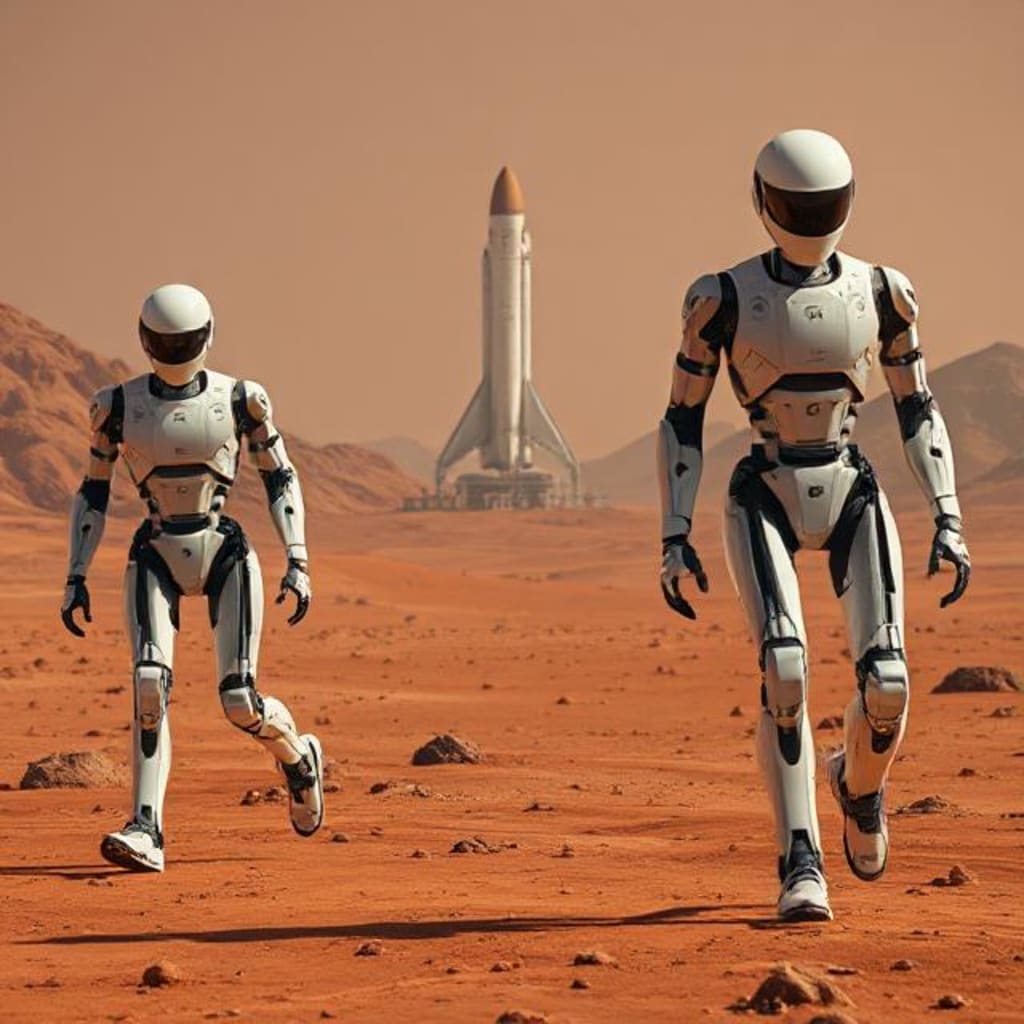
Elon Musk has never shied away from bold promises, but his latest vision may be his most audacious yet: by the end of 2026, Tesla’s Optimus humanoid robots could be stepping onto the surface of Mars.

This isn’t a science fiction movie—it’s a real plan tied to Musk’s dual empires, Tesla and SpaceX. If successful, the Optimus robots could mark the first wave of interplanetary settlers, working tirelessly to prepare the Red Planet for human explorers.
---
What Is Optimus?
Unveiled in 2021, Optimus—nicknamed the Tesla Bot—is a 5’8” humanoid robot weighing about 125 pounds. Built to perform dangerous or repetitive tasks, it’s powered by Tesla’s advanced AI neural networks, similar to the self-driving system used in Tesla cars.
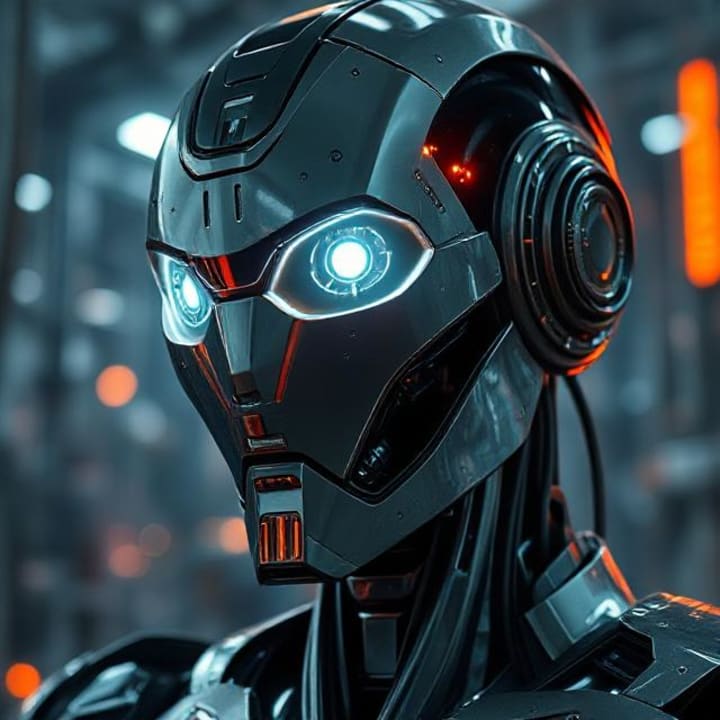
In December 2023, Tesla revealed the second-generation Optimus, boasting:
More natural motion control.
Enhanced grip strength for handling tools.
Increased energy efficiency.
In simple terms: Optimus has evolved from a concept into a machine capable of doing real-world jobs—not just in factories, but potentially on another planet.
---
Why Mars Needs Robots Before Humans
Mars is beautiful, mysterious—and deadly. The planet faces:
Extreme temperatures swinging from blistering heat to bone-chilling cold.
A thin, unbreathable atmosphere.
High levels of radiation.
Massive dust storms lasting weeks.
Sending humans directly into such an environment is not only risky, but astronomically expensive. Robots, on the other hand, don’t need oxygen, food, or protection from radiation.
That makes Optimus the perfect pioneer. Tasks it could handle include:
Setting up solar power stations.
Assembling basic shelters.
Conducting soil surveys for future farming.
Building communication infrastructure.
Imagine a future where, long before the first astronauts step foot on Mars, fleets of Optimus robots are already building the colony—working around the clock in conditions no human could survive without advanced life-support systems.
---
Enter Starship: The Delivery Vehicle
Of course, getting Optimus to Mars requires more than ambition—it requires a rocket powerful enough to carry the payload.
That’s where SpaceX’s Starship comes in.
Starship is designed to be the most powerful rocket ever built.
It’s fully reusable, reducing costs drastically.
Capable of carrying 100+ tons of cargo to space.

Though still in testing, Musk believes Starship will be mission-ready by 2026. If successful, the first Starship bound for Mars could be carrying a small army of Optimus robots instead of astronauts.
---
The Challenges Ahead
This vision, while thrilling, is far from guaranteed. Both Optimus and Starship face serious challenges:
Neither has been tested in Martian conditions.
Communication delays between Earth and Mars mean Optimus must work autonomously, making decisions on its own.
Robots must survive dust storms, low gravity, and wild temperature swings without human help.
For many scientists, the question is not just whether the technology will work, but whether Musk’s timeline of 2026 is realistic. Still, Musk has a history of making the impossible seem inevitable, even if delays often happen along the way.
---
A Glimpse of the Future
If Musk’s plan succeeds, 2026 could be remembered as the year humanity truly became multi-planetary.
Picture it: fleets of humanoid robots working side by side, building greenhouses, laying roads, assembling habitats—all while humans on Earth watch through live-streamed cameras.
Years later, when humans finally arrive, they’ll step onto a world already partially built by AI-powered pioneers.
This isn’t just automation. It’s the first chapter in space colonization, where humans and machines collaborate beyond Earth.
---
Why This Mission Matters
Musk’s idea represents more than just one billionaire’s dream. If successful, this approach could reshape how governments, companies, and humanity itself think about space exploration.
Instead of risking human lives on the first missions, AI-driven humanoid robots could handle the dangerous groundwork.
And if it works on Mars, it could work elsewhere too:
Building bases on the Moon.
Mining asteroids for resources.
Exploring outer planets without waiting decades for technology to catch up.
In short: Musk’s plan isn’t just about Optimus—it’s about redefining humanity’s future in the cosmos.
---
SEO Keywords 🚀
Elon Musk Mars mission, Optimus robot, Tesla Optimus Mars, SpaceX Starship 2026, Robots on Mars, AI robots by Tesla, Tesla humanoid robot mission, Elon Musk colonization plan, Starship Mars launch, Tesla AI robot exploration.
---
About the Creator
Muhammad Riaz
Passionate storyteller sharing real-life insights, ideas, and inspiration. Follow me for engaging content that connects, informs, and sparks thought.
Keep reading
More stories from Muhammad Riaz and writers in Futurism and other communities.
Elon Musk’s $10,000 Robot "MediBot" – The Future of Healthcare or a Threat to Doctors?
Start writing... Elon Musk has a reputation for entering industries no one expects and then flipping them upside down. He did it with cars through Tesla, with rockets through SpaceX, and with AI through OpenAI. Now, Musk is setting his sights on healthcare, one of the most complex and human-centered industries in the world.
By Muhammad Riaz4 months ago in Futurism
About Binding Prometheus
I want to start actively advocating on behalf of my own work, and the most valuable part of my canon is, without a doubt, Binding Prometheus, the play I have been working on since 2019 and only finished in 2023 as part of my MA. The play itself is an amalgamation of a million different inspirations. On one end, it evokes the Ancient Greek myth-play, deriving its own title from the earliest extant work of Western drama we have, Aeschylus’s Prometheus Bound. On the other end, it borrows significantly from the sci-fi bulwarks from over the years, namely Mary Shelley’s Frankenstein and Karel Capek’s Rossum’s Universal Robots. The play could be an episode of Black Mirror, I fear. I don’t know. I’ve only ever seen one episode of Black Mirror.
By Steven Christopher McKnight10 days ago in Futurism


Comments
There are no comments for this story
Be the first to respond and start the conversation.