
Electric Cars: Are They Truly Eco-Friendly?
Electric cars are hailed as the future of eco-friendly transportation, but do they live up to their “green” promise? From battery production to energy sources, let’s explore the environmental footprint of these modern vehicles.

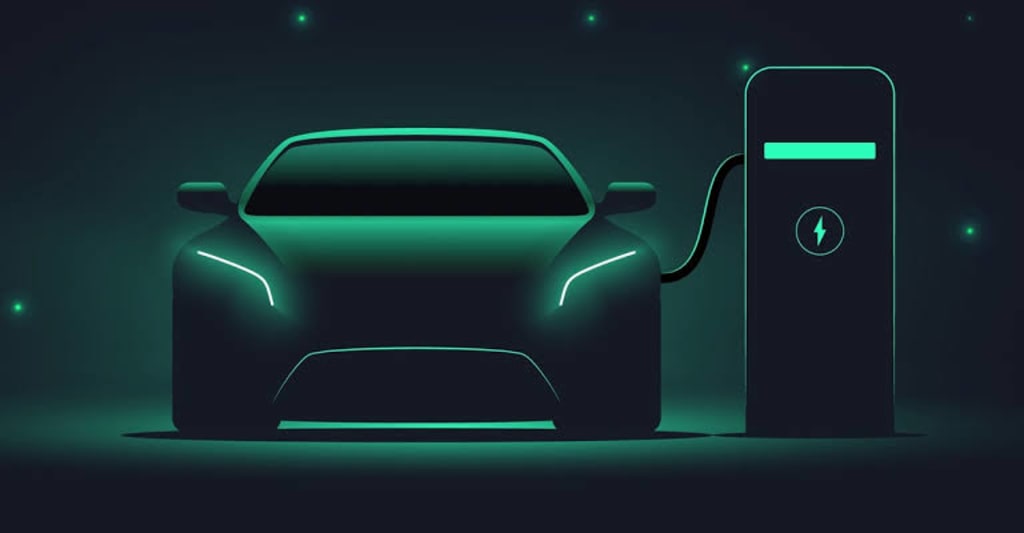
Electric cars are often celebrated as the solution to many environmental issues caused by traditional gasoline-powered vehicles. With zero tailpipe emissions, they’re marketed as a cleaner choice, but there’s more to the story. To understand the real impact of electric vehicles (EVs), we need to consider everything from their production to the sources of electricity that power them.
1. Battery Production: A Heavy Cost
One of the most significant environmental concerns with EVs is the production of their batteries. Electric cars run on lithium-ion batteries, which require rare metals like lithium, cobalt, and nickel. The mining of these metals is often harmful to the environment and can lead to deforestation, water pollution, and high carbon emissions.
Furthermore, mining and processing these metals use vast amounts of energy. Some studies suggest that the carbon footprint of producing a single EV battery is equivalent to driving a gasoline car for thousands of miles. This is because traditional mining methods are energy-intensive and rely on fossil fuels. The environmental cost of these batteries is one of the biggest reasons electric cars may not be as “green” as they appear.
2. The Impact of Electricity Sources
While electric cars produce no emissions on the road, they rely on electricity, which doesn’t always come from clean sources. In many parts of the world, electricity is still generated from coal, natural gas, and other fossil fuels. When an electric car is charged using electricity from these sources, its carbon footprint can be significant.
However, if an electric car is charged using renewable energy—like solar, wind, or hydroelectric power—its environmental impact is drastically reduced. This means that an electric car’s eco-friendliness often depends on the local energy grid and how “green” it is. In places with more renewable energy, electric vehicles are a cleaner option. In areas relying on coal, they may still contribute indirectly to carbon emissions.
3. Battery Disposal and Recycling Challenges
Another factor to consider is what happens when an electric car battery reaches the end of its life. These batteries don’t last forever and eventually need to be replaced, typically after 10 to 20 years of use. Battery disposal is a growing environmental challenge, as lithium-ion batteries are difficult to recycle fully.
Recycling facilities for these batteries are limited, and the process can be expensive and energy-intensive. Many of the metals used are recyclable, but the technology is still developing, and only a small percentage of batteries are currently recycled. As more electric cars hit the road, dealing with battery waste will become increasingly important to reduce the environmental impact.
4. Manufacturing and Lifecycle Emissions
Electric cars may produce fewer emissions while driving, but manufacturing them can still have a substantial carbon footprint. Compared to conventional cars, the production of EVs tends to have higher upfront emissions due to the complex process of building the battery. However, once on the road, electric cars generally produce fewer emissions over time, making them a better choice in the long run—especially if they’re driven in areas with green energy sources.
An EV’s total “lifecycle emissions”—meaning emissions from production to disposal—are often lower than those of a traditional car, but it may take several years of driving to make up for the initial environmental cost. In short, the longer an electric car is driven, the more its emissions savings add up, making it more eco-friendly over time.
5. The Role of Consumer Behavior
Consumer behavior also plays a role in the environmental impact of electric cars. For example, opting for a smaller battery or driving less frequently can reduce the carbon footprint of an EV. Additionally, using public transportation, carpooling, and driving efficiently can make any vehicle, including an electric one, more environmentally friendly.
Governments and manufacturers are working to make electric vehicles even cleaner. Advancements in battery technology, increased use of recycled materials, and a shift toward renewable energy in EV manufacturing are all steps in the right direction. As these improvements continue, the environmental benefits of electric cars are likely to increase.
6. The Future of Electric Cars and the Environment
Electric cars represent a promising solution to reducing greenhouse gas emissions, but they’re not a perfect fix. The environmental impact of electric vehicles is influenced by factors like battery production, energy sources, and disposal options, making it essential to consider the bigger picture.
With growing concerns over climate change, the transition to electric vehicles is a necessary step toward a more sustainable future. But to maximize their environmental benefits, it’s important for consumers, governments, and car manufacturers to work together to reduce their carbon footprint. Electric cars have the potential to be much cleaner than traditional vehicles, but achieving a truly “green” car will require ongoing innovations in energy, recycling, and production methods.
In the end, while electric cars are not yet completely eco-friendly, they’re a significant improvement over traditional gasoline-powered cars, especially when charged with renewable energy. By continuing to advance technology and infrastructure, society can help electric cars live up to their green promise.
About the Creator
Tipu Das
Hi, I’m Tipu! I love storytelling and exploring various topics. Whether it's history, trends, or personal growth, I'm here to share insights. Join me on this journey as we discover new ideas together!
AI-Powered Supply Chain Planning Software Market to hit USD 240.96 billion by 2035
AI-Powered Supply Chain Planning Software Market Overview The Global AI-Powered Supply Chain Planning Software Market is projected to reach approximately USD 240.96 Billion by 2035, increasing from USD 11.38 Billion in 2025, reflecting a strong CAGR of 35.7% during the forecast period from 2025 to 2035.
By Roberto Crum4 days ago in Futurism
Australia Frozen Potato Products Market: QSR Expansion, Convenience Foods & Cold Chain Logistics
According to IMARC Group, the Australia frozen potato products market reached a value of USD 1,147.6 Million in 2025 and is projected to reach USD 1,771.2 Million by 2034, growing at a compound annual growth rate (CAGR) of 4.79% during 2026–2034. The market is expanding as changing consumer lifestyles and evolving foodservice trends increase demand for convenient, ready-to-cook food options. Frozen potato products such as French fries, wedges, hash browns and specialty potato snacks are widely used across quick-service restaurants (QSRs), cafés and retail households. Rising urbanization and busy consumer schedules are encouraging the adoption of frozen foods that offer longer shelf life and easy preparation. At the same time, improvements in cold chain logistics and frozen food distribution systems are enabling manufacturers and retailers to maintain product quality while expanding nationwide availability. As both the foodservice sector and retail consumption continue growing, frozen potato products are becoming an essential segment within Australia’s broader frozen food industry.
By Kevin Cooper5 days ago in Futurism
The Forsyth House Fire
Since 1851, Forsyth House has stood on the corner of Union Street and Gordon Street in the heart of Glasgow. Its iconic, or was... because on Sunday 8th of March, 2026, a fire broke out in a small, seemingly un-named shop in the building and tore all that history down. As I write, the rubble is still unsettled and the street is still blocked off. Central Station is quiet on the upper level, and around 30 small businesses have quite literally gone up in smoke.
By S. A. Crawford2 days ago in The Swamp



Comments
There are no comments for this story
Be the first to respond and start the conversation.