
Egypt Pallet Market: E-Commerce Expansion, Warehousing Investments & Market Opportunities
How Expanding Logistics Networks and Warehousing Demand Are Driving Growth in the Egypt Pallet Market

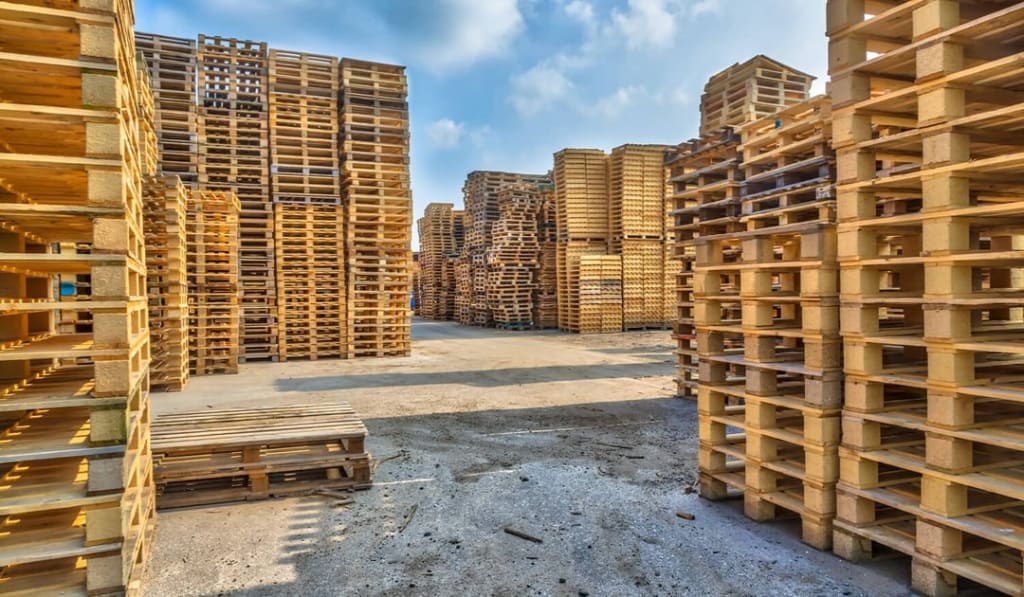
According to IMARC Group's latest research publication, Egypt pallet market size reached USD 230.50 Million in 2024. The market is projected to reach USD 328.92 Million by 2033, exhibiting a growth rate (CAGR) of 3.91% during 2025-2033.
How AI is Reshaping the Future of Egypt Pallet Market
- Smart Warehouse Automation: AI-powered robotic systems optimize palletizing and depalletizing operations, reducing human error and increasing throughput by automating repetitive tasks in modern Egyptian warehouses and distribution centers.
- Predictive Quality Control: Machine learning algorithms detect pallet defects instantly during production, ensuring ISPM 15 compliance and reducing rejection rates at international ports for pharmaceutical and food exporters.
- Demand Forecasting & Inventory: Advanced analytics predict seasonal pallet requirements based on export cycles, helping manufacturers manage stock levels efficiently and reduce logistics costs across Egypt's expanding supply chain network.
- Route Optimization Systems: AI-driven logistics platforms streamline pallet movement from production to delivery points, cutting transportation costs and improving turnaround times for pooling services throughout Greater Cairo and Alexandria.
- Material Selection Intelligence: AI tools analyze cost-performance trade-offs between wood, plastic, and alternative materials, supporting manufacturers in transitioning to ISPM 15-exempt solutions while maintaining operational efficiency.
Request Your Free Sample Report with Verified Data and Projections
How Vision 2030 is Revolutionizing Egypt Pallet Industry
Egypt Vision 2030's emphasis on industrial deepening and export-led growth is fundamentally transforming the pallet sector. The government's push to boost manufacturing to at least 16% of GDP has created unprecedented demand for logistics infrastructure, with the pallet industry serving as a critical enabler. Public investments of approximately EGP 27 billion in the manufacturing sector are driving domestic production capabilities, while import substitution policies and the devalued Egyptian pound make locally-produced pallets increasingly competitive against imports. Egypt's food processing industry, which saw imports rise from USD 12.7 billion to USD 16.8 billion between 2019-2024, requires compliant packaging solutions. With pharmaceutical exports surging 65.6% and targeting USD 466.5 million by 2029, and overall exports reaching USD 44.39 billion through November 2025 (up 18%), the demand for ISPM 15-compliant pallets has become mission-critical. Strategic infrastructure projects, including the five-million-square-meter industrial zone linking 6th of October City to Alexandria with rail-to-port connectivity, are reducing freight costs and positioning Egypt as a regional manufacturing hub where efficient pallet logistics directly support Vision 2030's export competitiveness goals.
Egypt Pallet Market Trends & Drivers:
The Egypt pallet market is experiencing solid momentum driven by stringent international trade regulations and expanding export activities. ISPM 15 compliance requirements—mandating heat treatment or fumigation for wooden pallets—have become non-negotiable for Egyptian exporters serving global markets. With Egypt exporting to 147 countries and pharmaceutical shipments heading to partners like Saudi Arabia, Spain, and Germany, companies are increasingly shifting toward plastic and presswood pallets that are inherently compliant, eliminating costly treatment processes and reducing port delays. Food industry exports of USD 6.35 billion (up 13%) and chemical exports of USD 8.56 billion (up 8%) during 2025 are creating sustained demand for hygienic, contamination-free pallet solutions. The pharmaceutical sector's strict quality standards and the food processing industry's hygiene requirements make plastic pallets particularly attractive despite higher upfront costs, as they offer superior durability, weather resistance, and lifecycle value that wooden alternatives cannot match.
Domestic manufacturing strengthening and import substitution initiatives are reshaping competitive dynamics in the pallet sector. The Egyptian pound's devaluation has made imported plastic pallets significantly more expensive, creating substantial opportunities for local manufacturers to capture market share. Government initiatives like "Made in Egypt" and targeted industrial policies are encouraging local pallet production investment, with manufacturers expanding capacity to produce higher-quality plastic and presswood pallets previously sourced from abroad. Egypt's GDP of USD 396 billion and the nation's role as the world's largest wheat importer (USD 4 billion worth) demonstrate the massive scale of palletized logistics supporting both imports and exports. With exports per capita at just USD 446 versus imports at USD 792, there's clear pressure to improve logistics efficiency and reduce costs. Local manufacturers are responding by investing in advanced production technologies and quality control systems to meet international standards while offering competitive pricing tailored to Egyptian market needs.
Infrastructure modernization and digital transformation are accelerating pallet market evolution across Egypt. The establishment of the industrial zone connecting 6th of October City to Alexandria with rail-to-port infrastructure is reducing inland freight costs and improving supply chain velocity for palletized goods. Egypt's construction materials sector exports of USD 13.67 billion (up 39%) and engineering goods exports of USD 5.92 billion (up 14%) require robust handling solutions throughout the supply chain. The growing adoption of warehouse automation, pallet pooling services, and circular economy principles is pushing demand for standardized, durable pallet solutions. Companies are increasingly implementing IoT-enabled tracking systems for pallet management, optimizing utilization rates and reducing losses. As Egyptian businesses integrate deeper into global supply chains and regional trade agreements across Africa, Latin America, Europe, and the Middle East, investing in compliant, high-quality pallet infrastructure has evolved from a logistics consideration into a strategic competitive necessity.
Egypt Pallet Market Industry Segmentation:
The report has segmented the market into the following categories:
Type Insights:
- Wood
- Plastic
- Metal
- Corrugated Paper
Application Insights:
- Food and Beverages
- Chemicals and Pharmaceuticals
- Machinery and Metal
- Construction
- Others
Structural Design Insights:
- Block
- Stringer
- Others
Regional Insights:
- Greater Cairo
- Alexandria
- Suez Canal
- Delta
- Others
Competitive Landscape:
The competitive landscape of the industry has also been examined along with the profiles of the key players.
Recent News and Developments in Egypt Pallet Market
- January 2025: Egypt's Ministry of Trade and Industry reinforced import substitution measures for packaging materials under Vision 2030, supporting domestic pallet manufacturers supplying construction and logistics projects.
- March 2025: Smart Pallets Egypt, a local manufacturer, expanded production capacity for ISPM 15-compliant wooden pallets and launched plastic pallet lines to serve pharmaceutical and food processing sectors.
- June 2025: The Suez Canal Economic Zone announced logistics infrastructure upgrades benefiting pallet producers, with improved rail connectivity reducing transportation costs for manufacturers serving export markets.
- September 2025: Egyptian pallet pooling services reported growth in closed-loop rental systems, particularly serving multinational food and beverage companies operating across Greater Cairo and Alexandria regions.
- December 2025: Local manufacturers confirmed increased exports of plastic pallets to regional markets in Africa and the Middle East, supported by competitive pricing and quality certifications meeting international standards.
Note: If you require specific details, data, or insights that are not currently included in the scope of this report, we are happy to accommodate your request. As part of our customization service, we will gather and provide the additional information you need, tailored to your specific requirements. Please let us know your exact needs, and we will ensure the report is updated accordingly to meet your expectations.
About the Creator
Abhay Rajput
I am working in market research company that provides market and business research intelligence across the globe.
Keep reading
More stories from Abhay Rajput and writers in Futurism and other communities.
Saudi Arabia Used Car Market: Price Sensitivity, Certified Used Cars & Sales Momentum
According to IMARC Group's latest research publication, Saudi Arabia used car market size was valued at USD 10.2 Billion in 2025. The market is projected to reach USD 17.4 Billion by 2034, exhibiting a growth rate (CAGR) of 6.11% during 2026-2034.
By Abhay Rajputabout 18 hours ago in Futurism
Saudi Arabia Electric Car Market: Government Incentives & Clean Mobility Expansion
According to IMARC Group's latest research publication, the Saudi Arabia electric car market size was valued at USD 1.81 Billion in 2025 and is projected to reach USD 5.52 Billion by 2034, growing at a compound annual growth rate of 13.18% from 2026-2034.
By Faisal Al-Harbia day ago in Futurism
Why Are Patient Engagement Solutions Reshaping the Future of Healthcare?
Healthcare systems around the world are undergoing a major transformation. The traditional model, where patients played a passive role in their own care, is gradually being replaced by a more patient-centered approach. Today, patients expect greater involvement, transparency, and control over their health journeys. This shift has brought patient engagement solutions into the spotlight as a critical component of modern healthcare delivery.
By Rohit Shahabout 19 hours ago in Futurism


Comments
There are no comments for this story
Be the first to respond and start the conversation.